
Today is all about tulips and Dutch heritage!
What is tulipmania?
Citation here
Tulip mania was a period during the Dutch Golden Age when contract prices for some bulbs of the recently introduced and fashionable tulip reached extraordinarily high levels.
The major acceleration started in 1634 and then dramatically collapsed in February 1637. It is generally considered to have been the first recorded speculative bubble or asset bubble in history.
Zaanse Schans
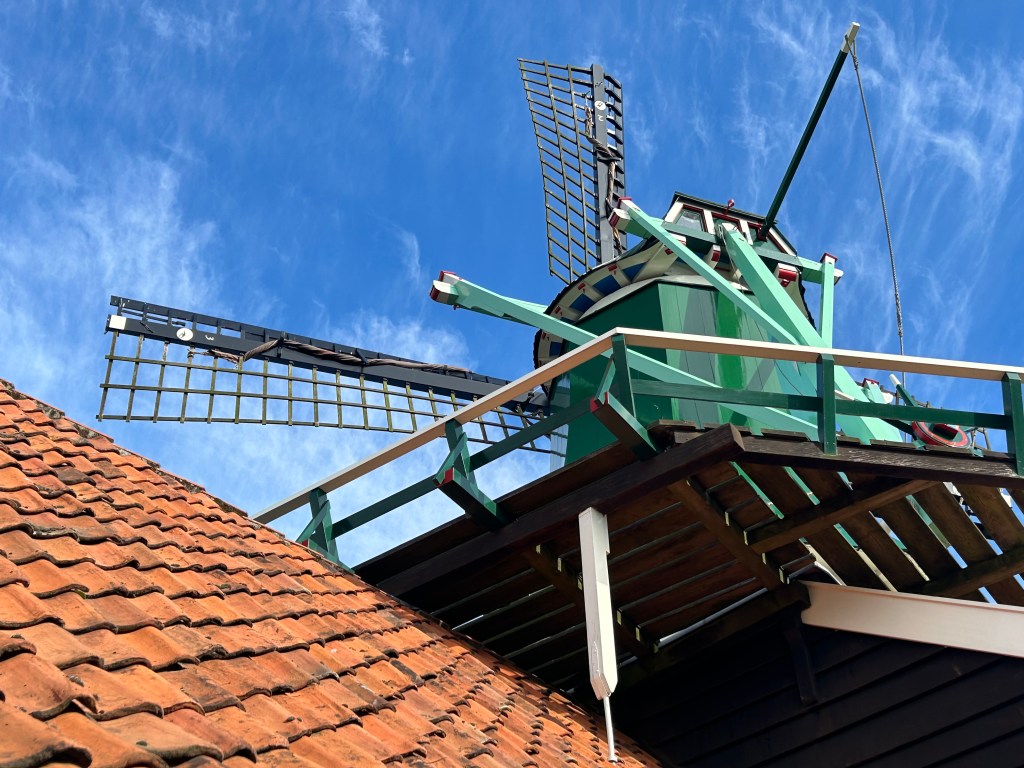
To start the day off, we left Amsterdam and drove about 20 minutes to a place called Zaanse Schans. On this trip, I wanted to learn more about the history of the Dutch i.e. WHY is the windmill so iconic to the Netherlands?! ZS represents what a typical 19th-century neighborhood of the area would look like; this was NOT a historically preserved site, but rather in 1959, the current properties in the neighborhood were relocated here. The intent is to preserve the historic heritage of the entire region and share with the world the culture of the area. The buildings on site (some with demonstrations) are artisanal workshops, including cheese making, clog carving and barrel making. The village itself is free to walk around (you need to pay for parking though), and you can choose to pay extra to walk up the windmills or watch certain demonstrations.
We arrived at ZS around 9AM and it was already PACKED with tourists. Now, I grew up near Colonial Williamsburg and this reminded me very much of that – an outdoor history museum that is overwhelmed with people and shops. Because we were overwhelmed with the amount of people, we decided to walk around the village quickly, snap some pictures, and make our way back inside to the museum where we could actually learn something.
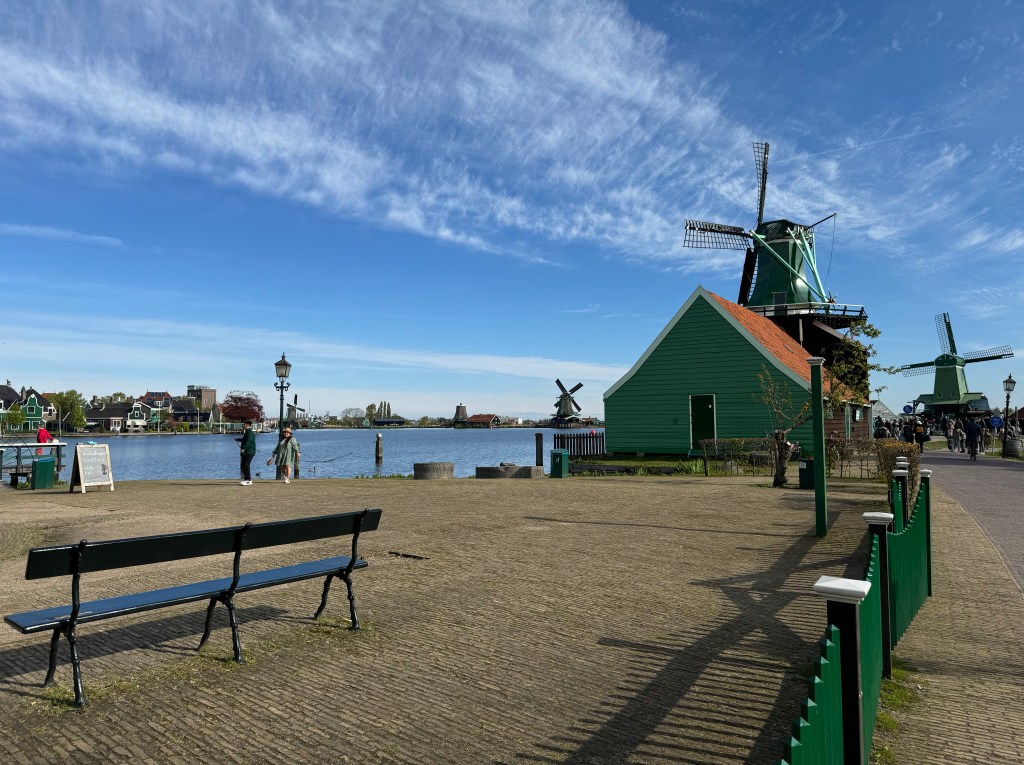

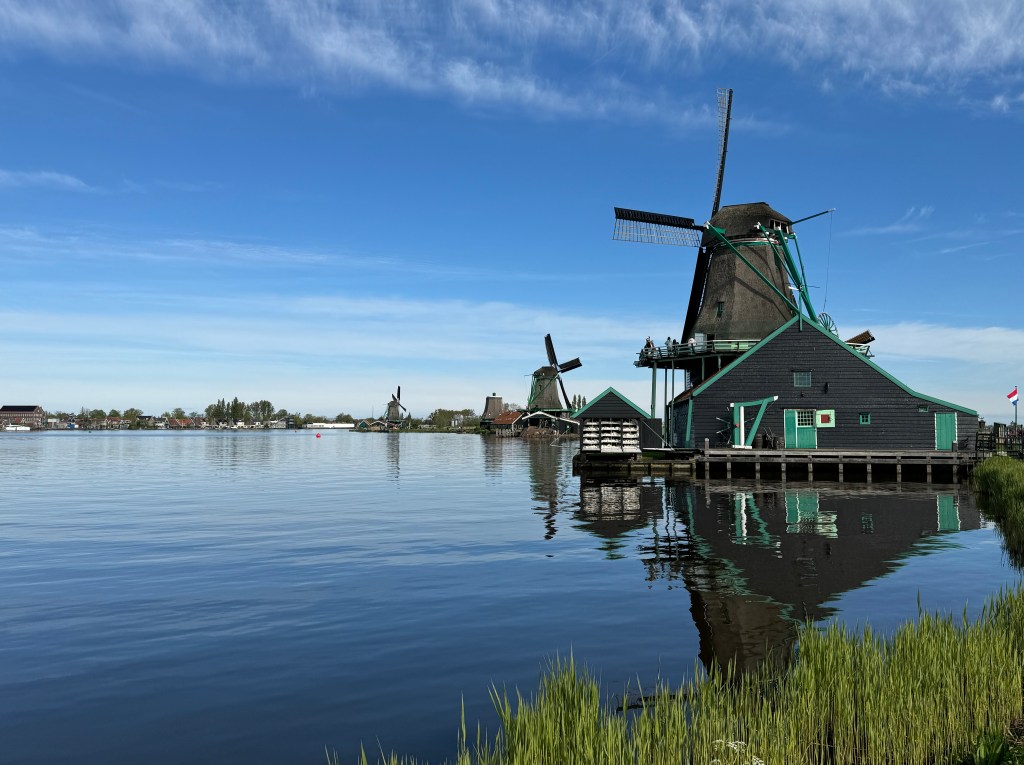
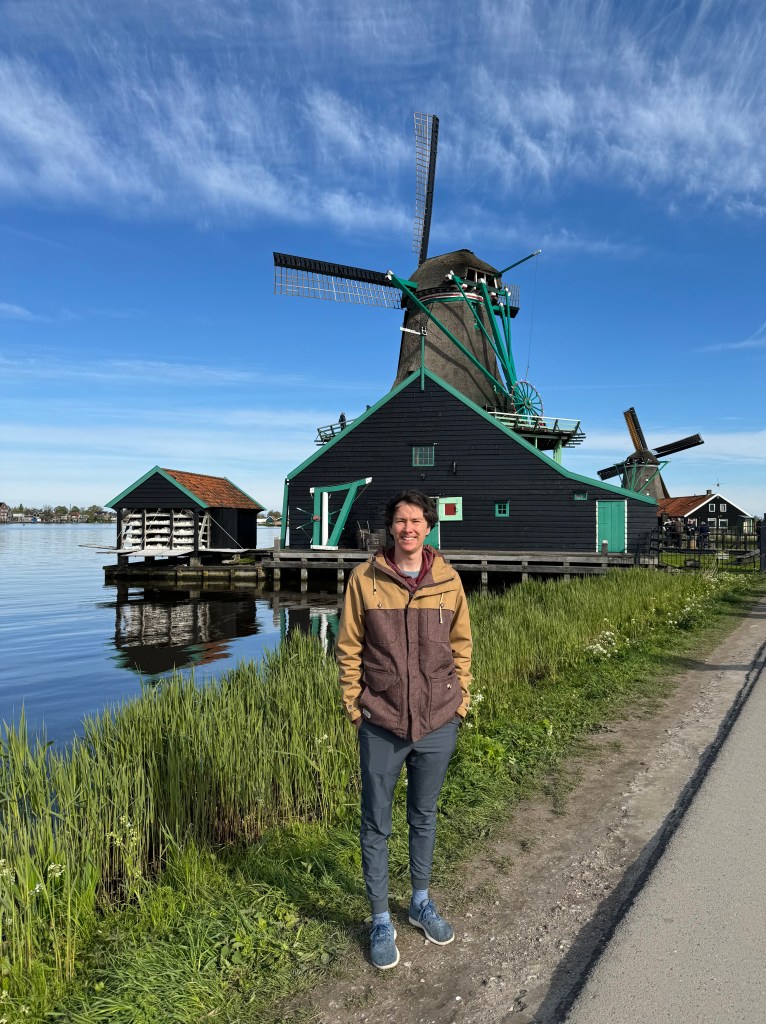
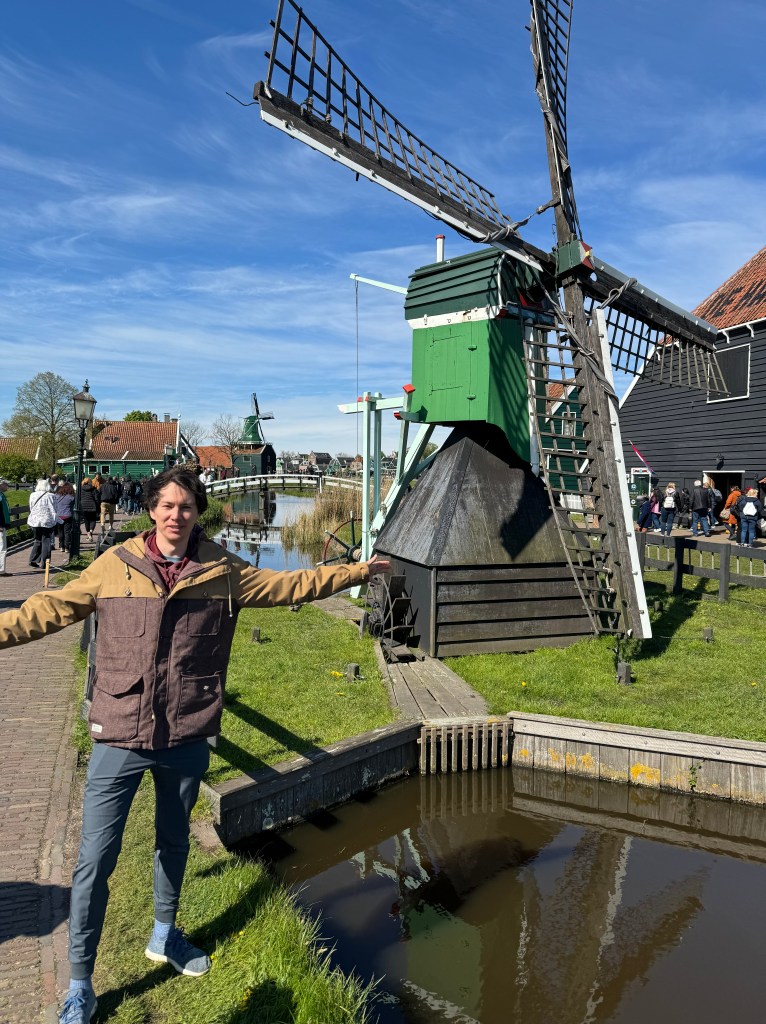
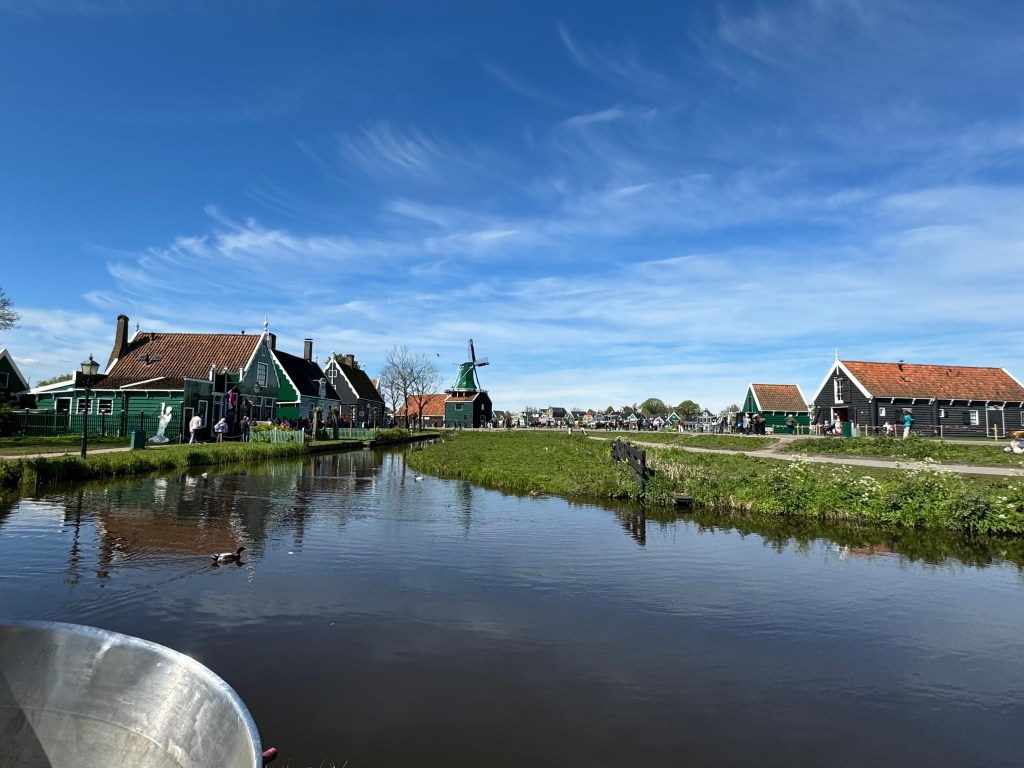
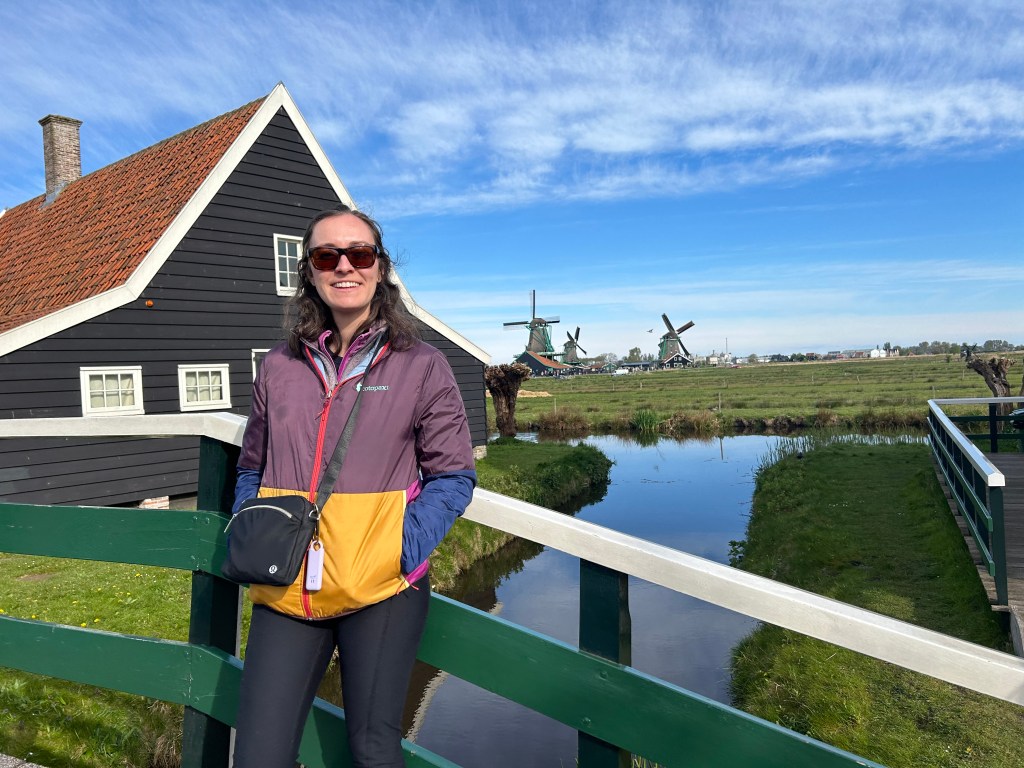
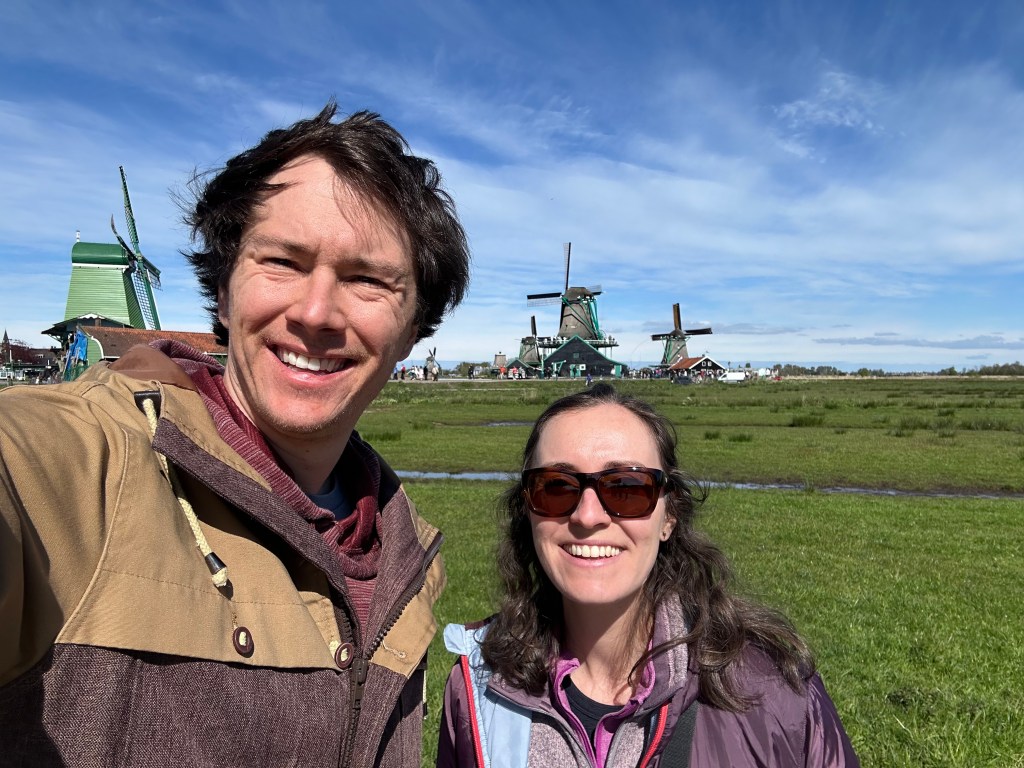
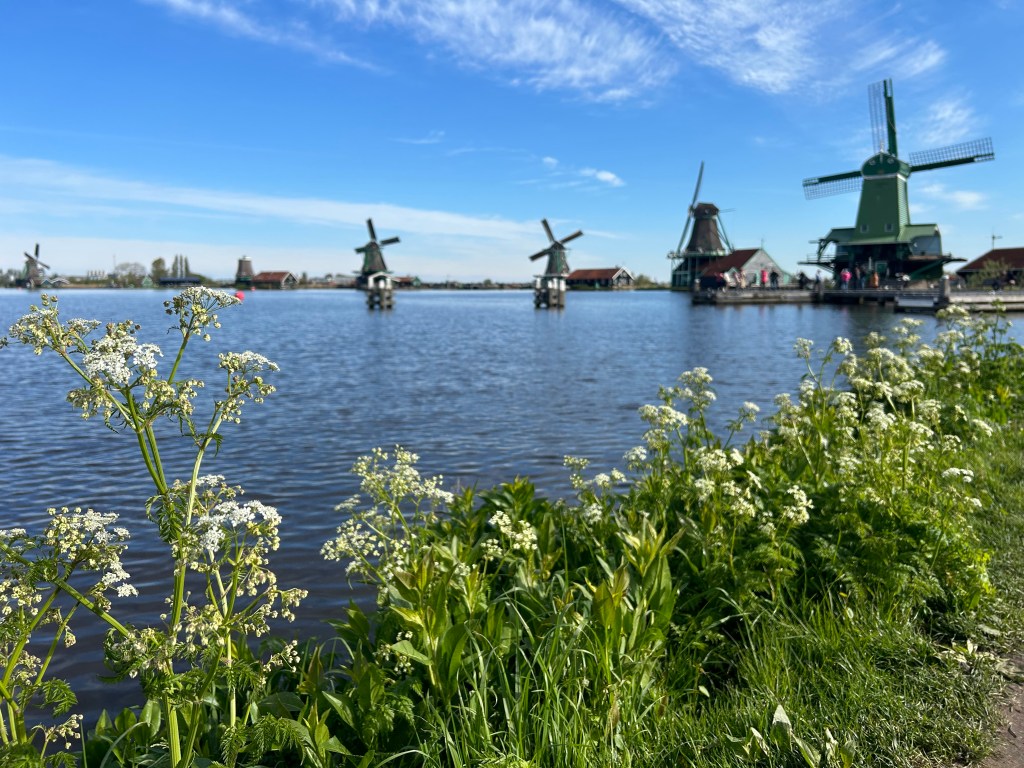
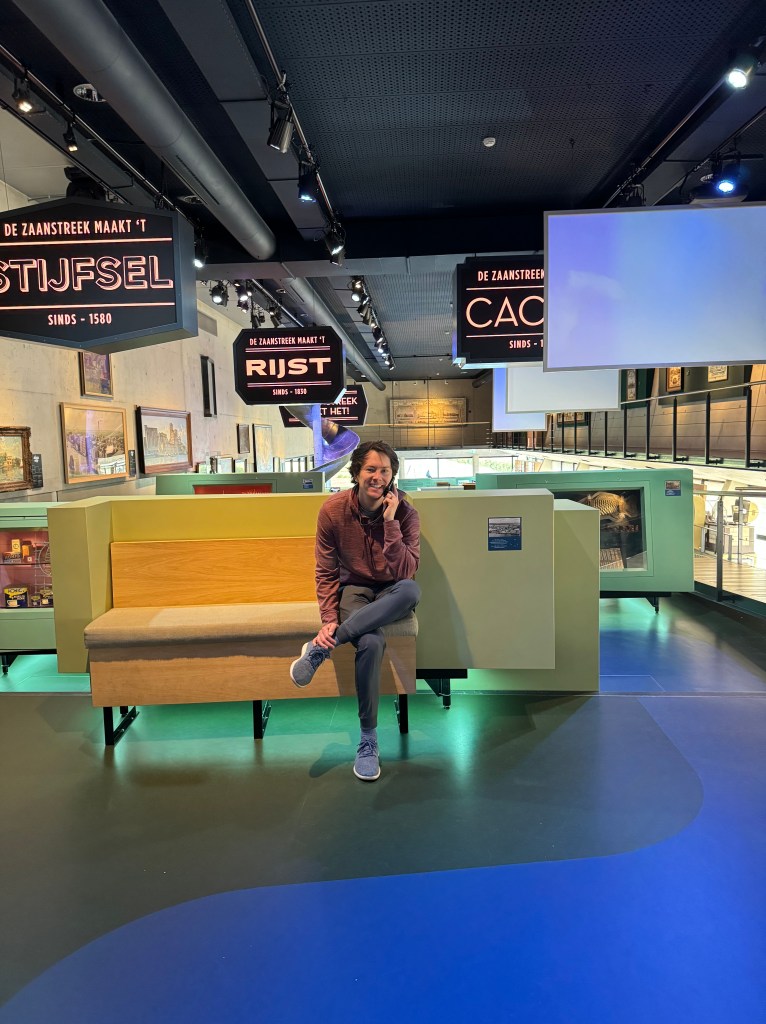
The museum was informative about the history of the region. (The following information comes from some pictures I took at the museum.) For centuries, the Zaan region was unlike most other places in the Netherlands because it was both a mix of urban and rural, as much agricultural as industrial. The region is known as being the oldest industrial region of Western Europe.
In the 17th/18th centuries, the region was known internationally for its impressive number of windmill factories and shipyards. In its heyday, there were around 600 industrial windmills in use! The windmills were used to take natural resources and convert to final products, including cocoa, paper, oil and wood. Within a small area, there would be spice mills, sawmills, paint mills and more.



Keukenhof Gardens
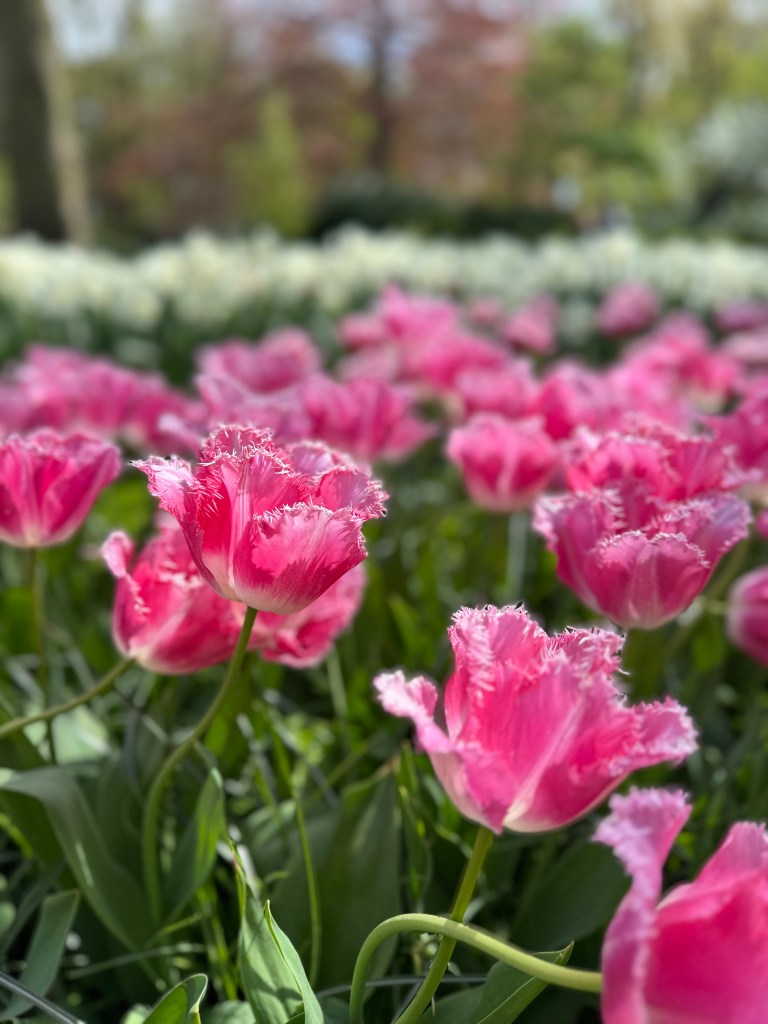
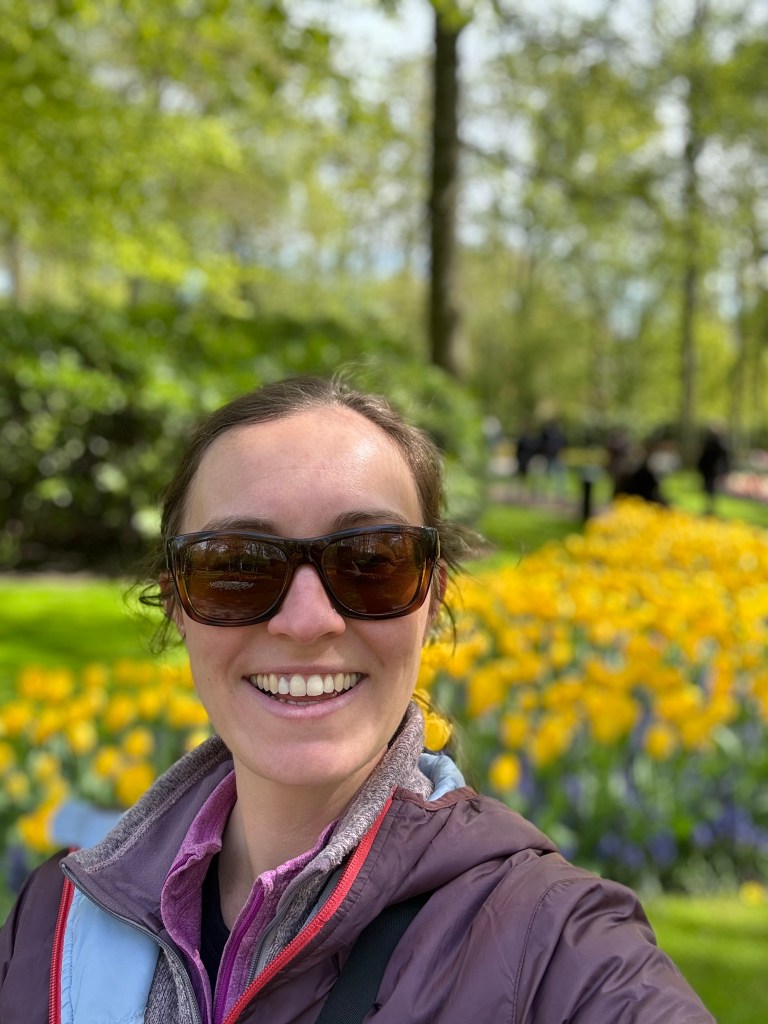
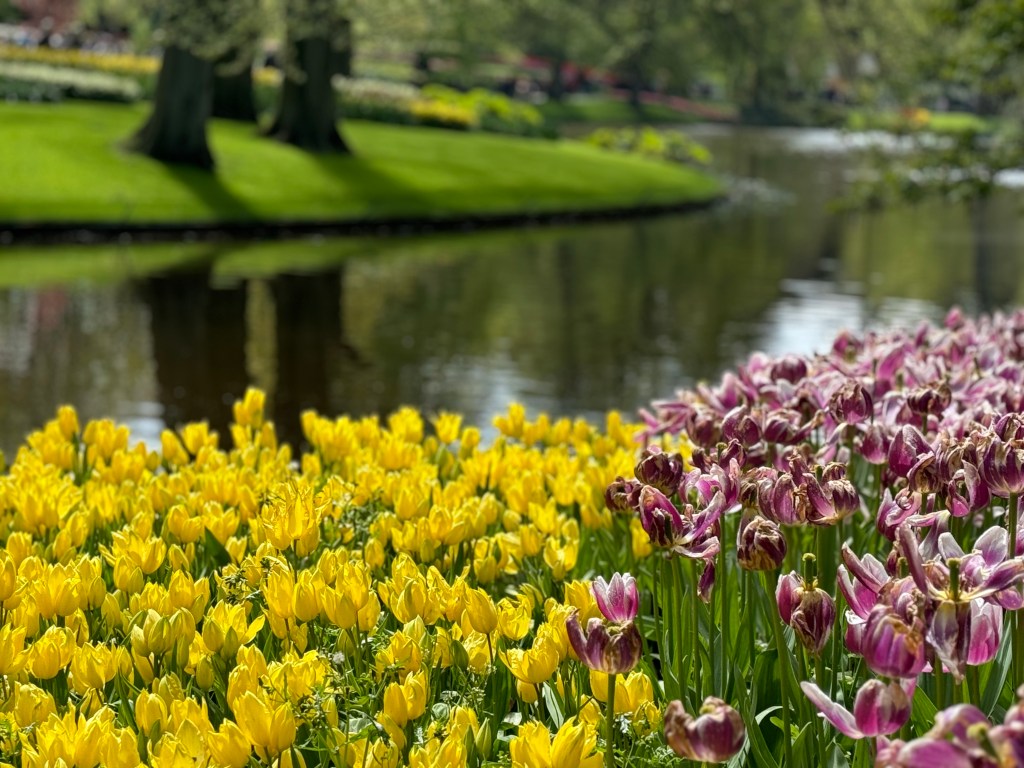
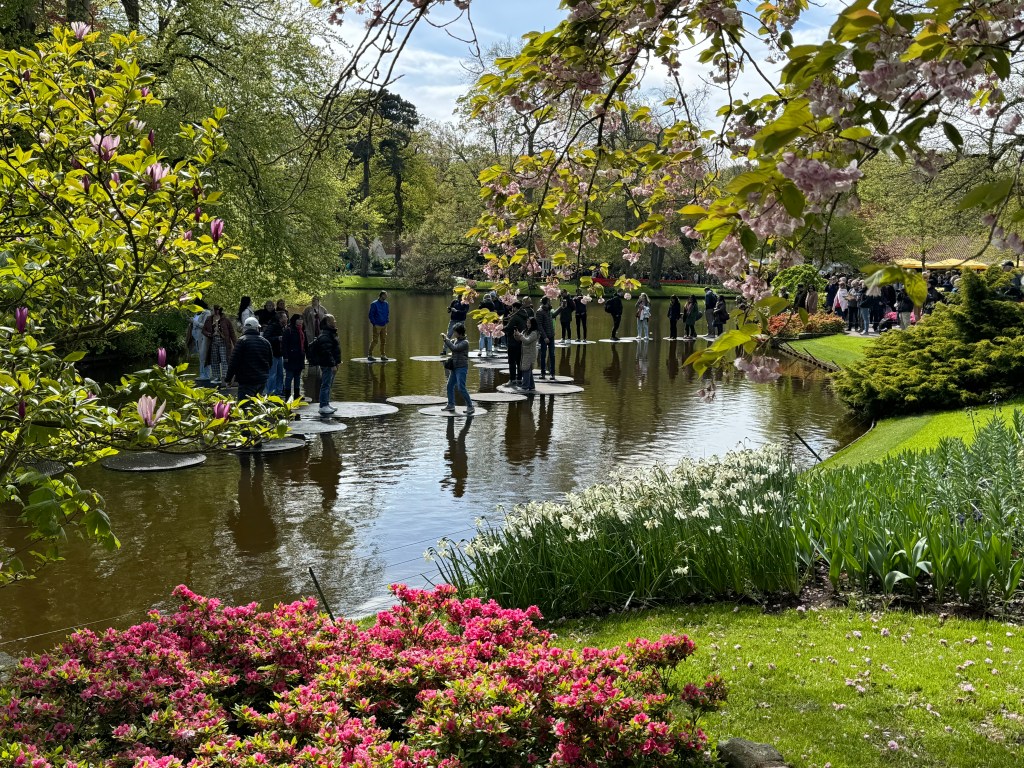
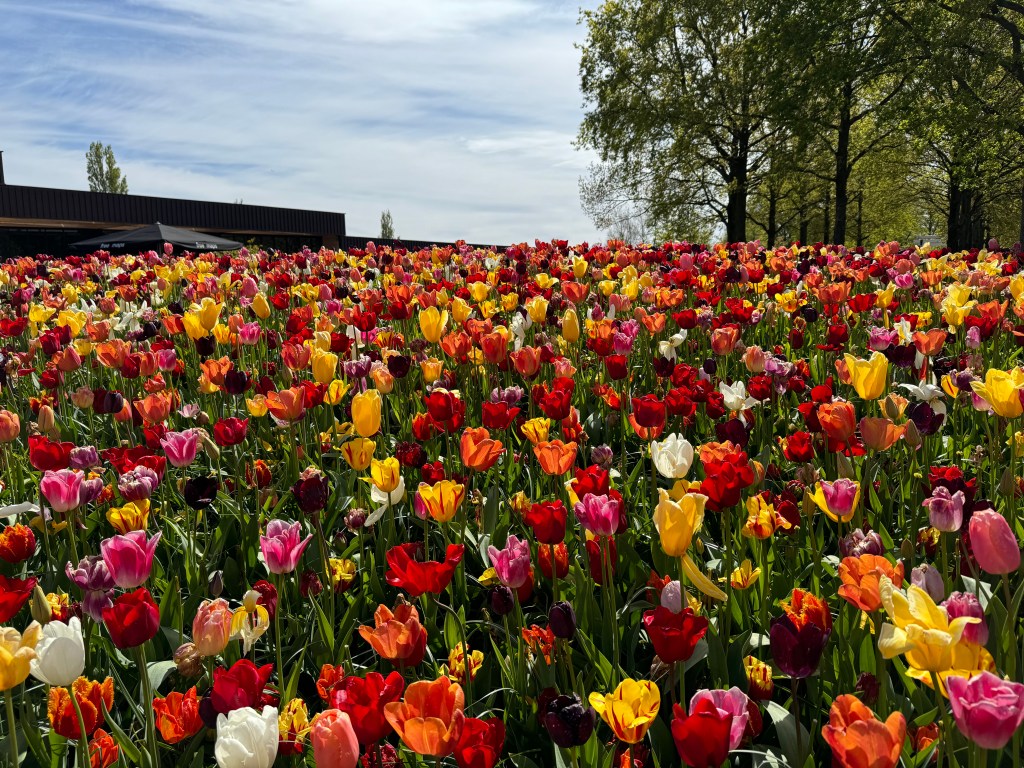
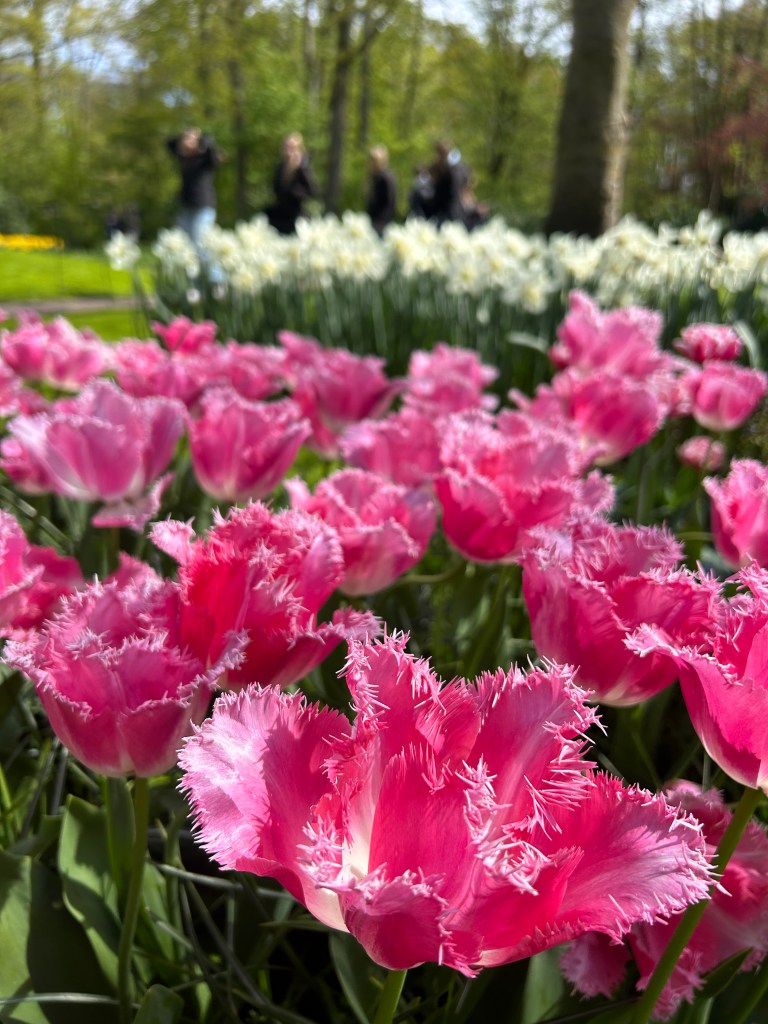
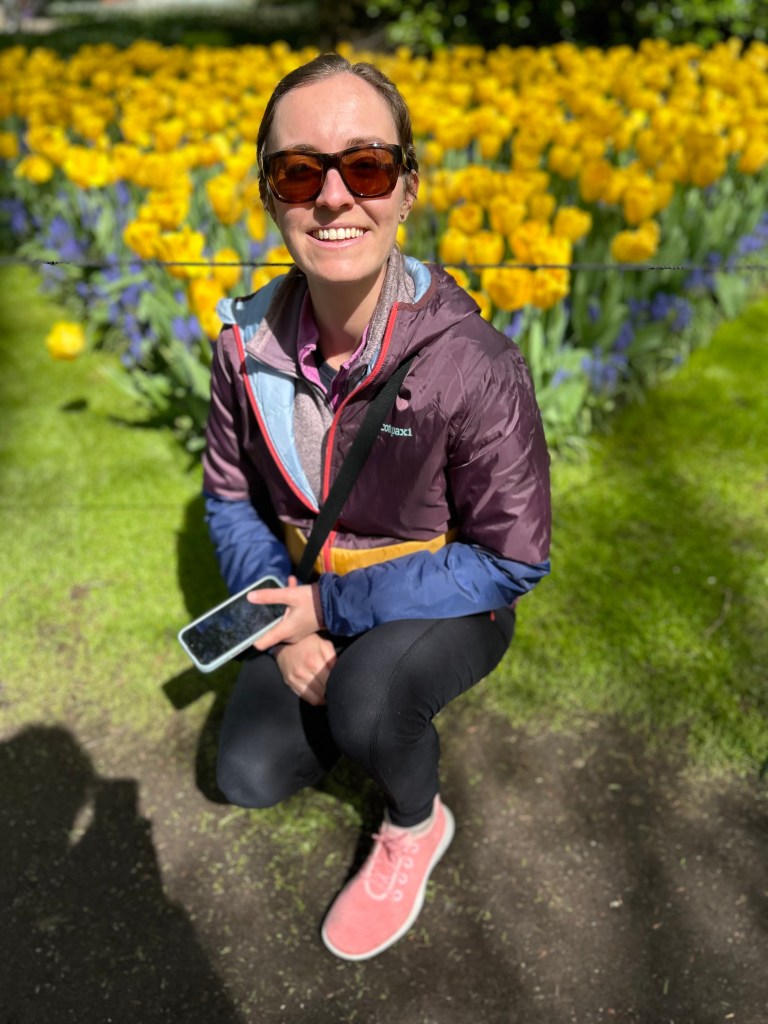
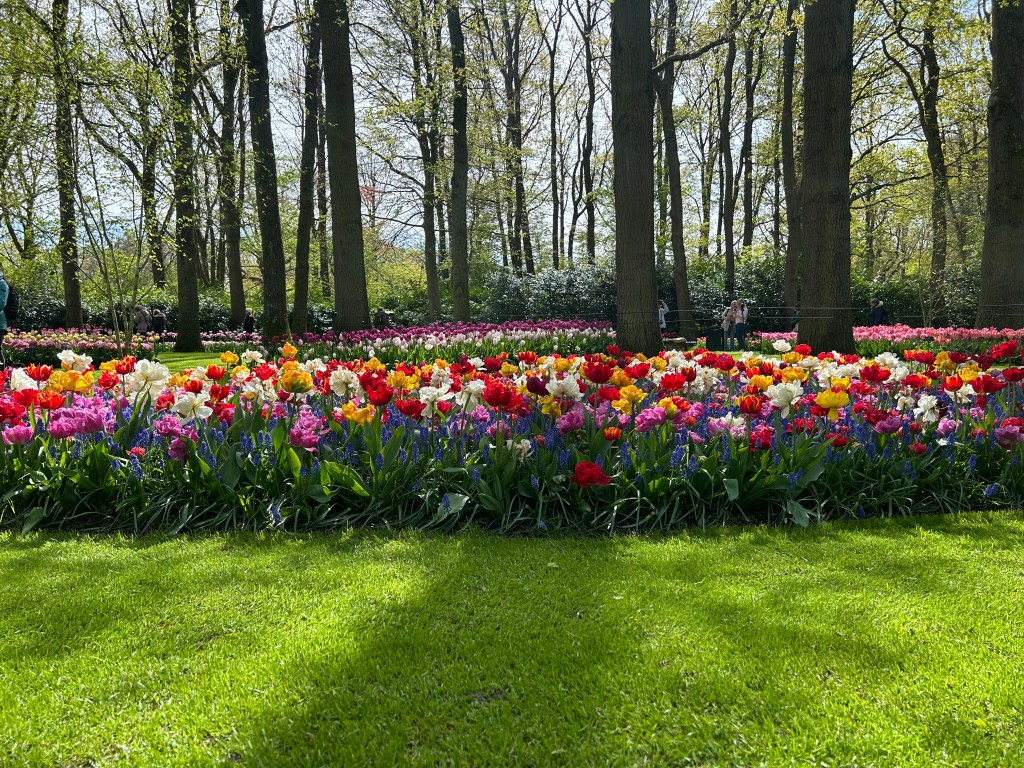
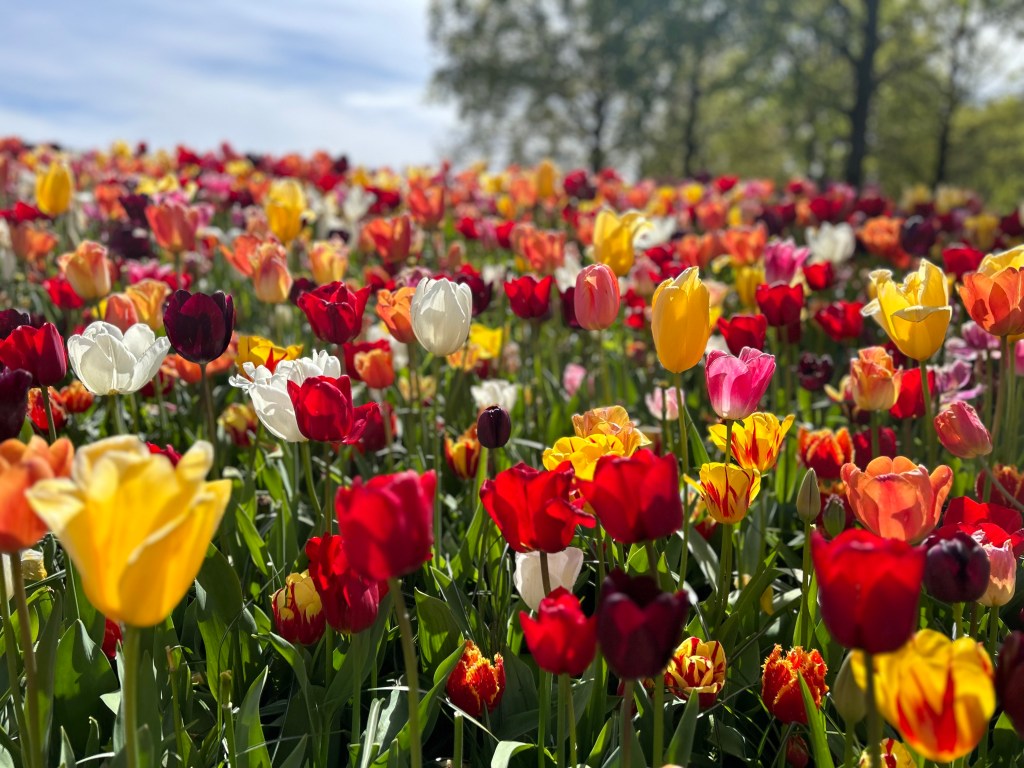
Keukenhof, also known as the Garden of Europe, is one of the world’s largest flower gardens and is situated a short drive away from Amsterdam. Per the website, the park covers 79 acres and approximately 7 million flower bulbs are planted annually! While there are multiple flowers, the main attraction is the marvelous display of TULIPS! Keukenhof is only open to the public for about eight weeks from mid-March to mid-May, with peak viewing around mid-April so we were just in time. Another fun fact – 2024 is the 75th annniversary of Keukenhof, so we were in for a treat of spectacular beauty!
We spent about an hour walking through the park, because we had booked bike rentals through the park starting at 2PM.
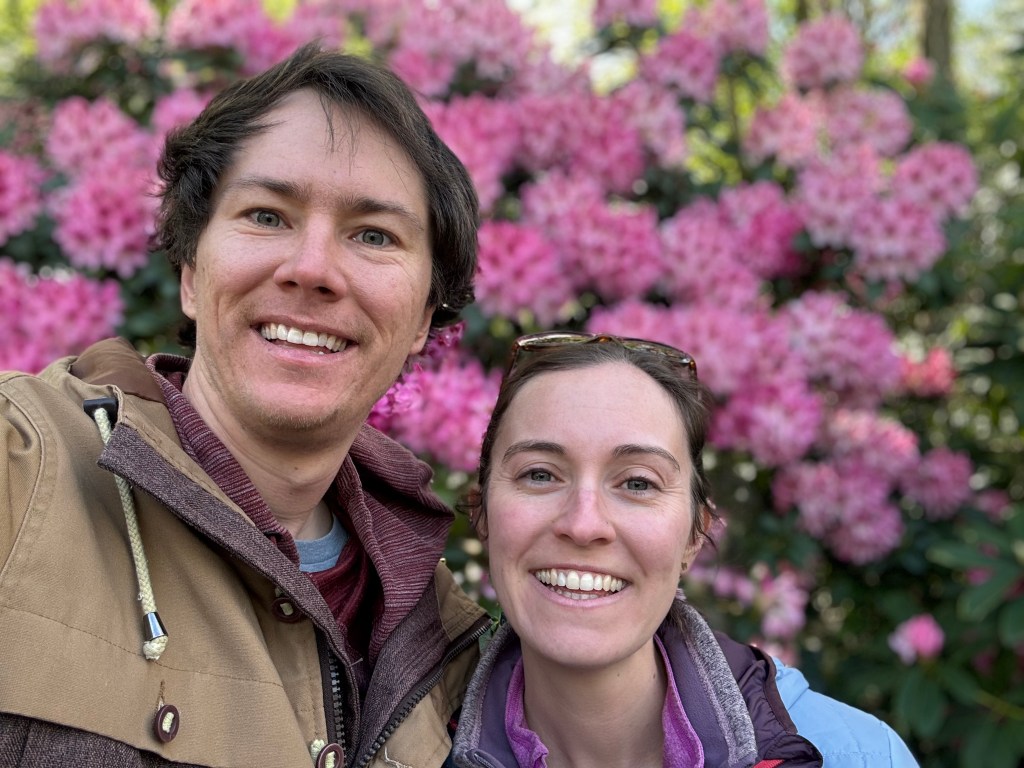
I suggest playing the music and scrolling through the pictures below!



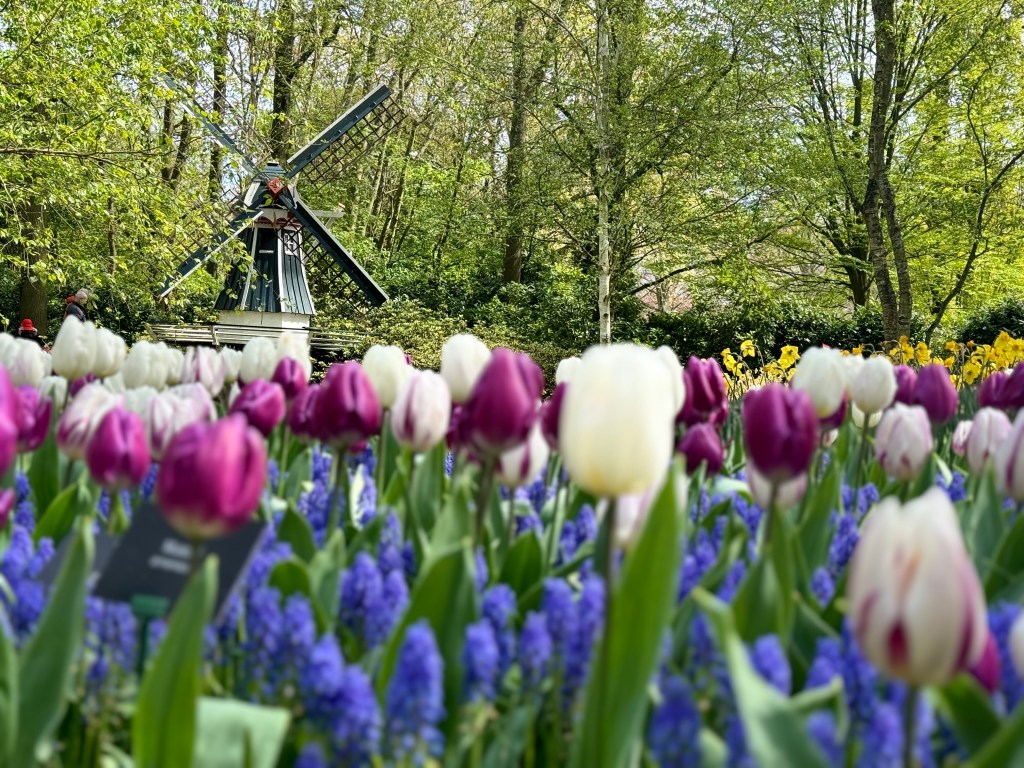
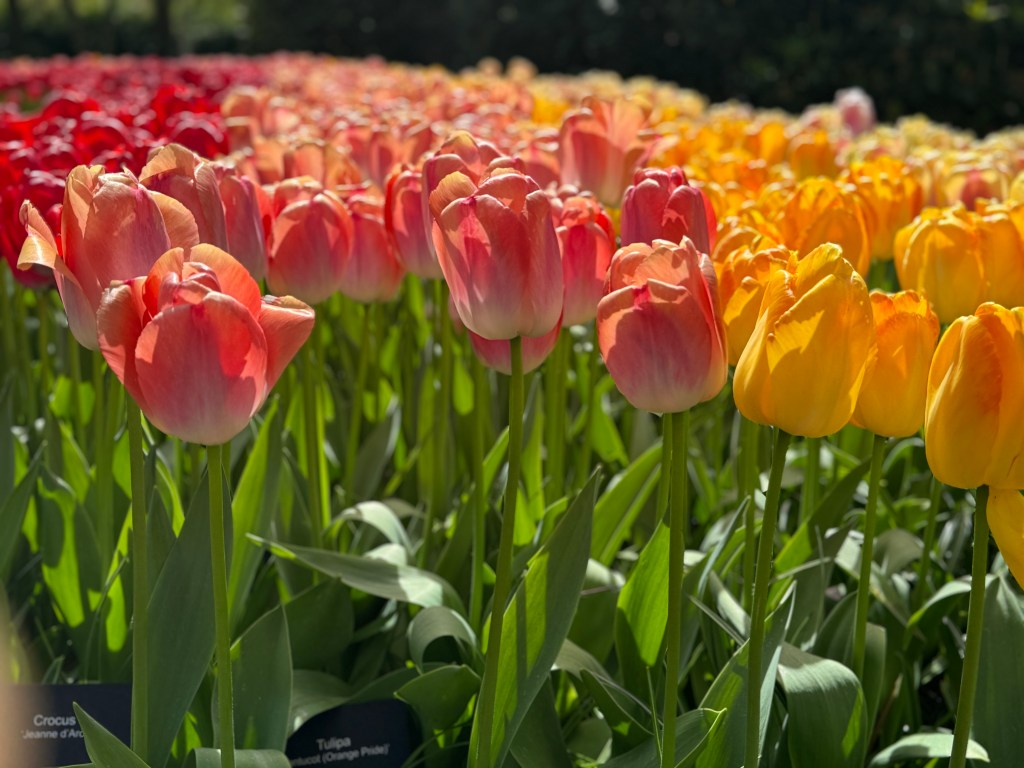


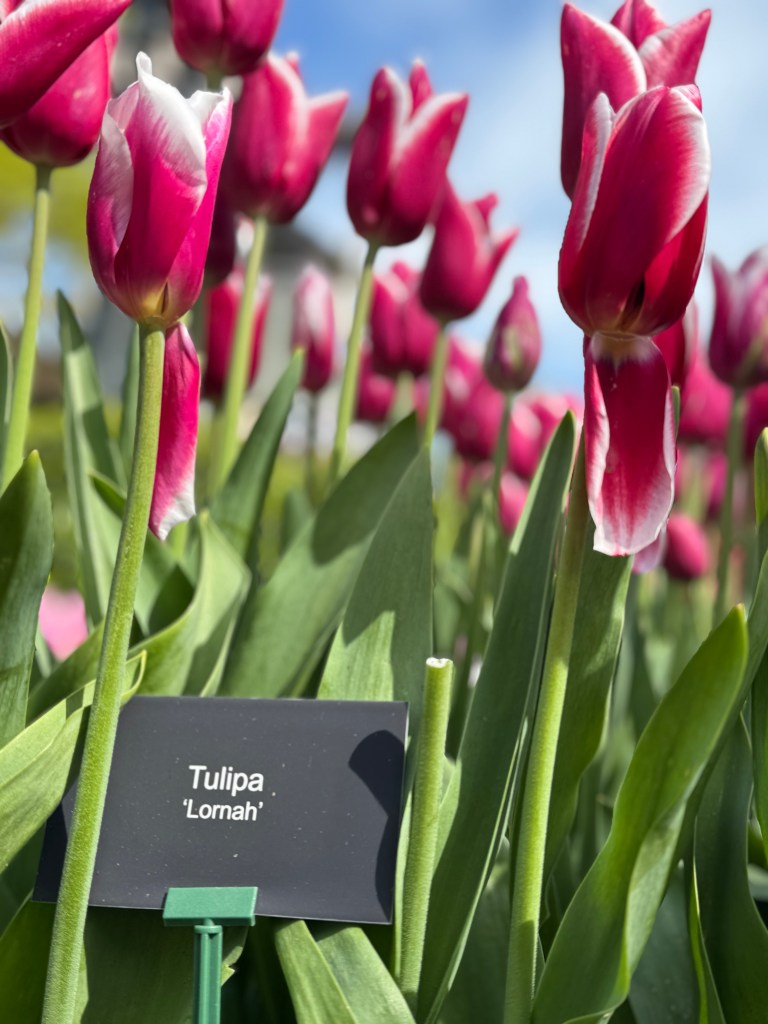

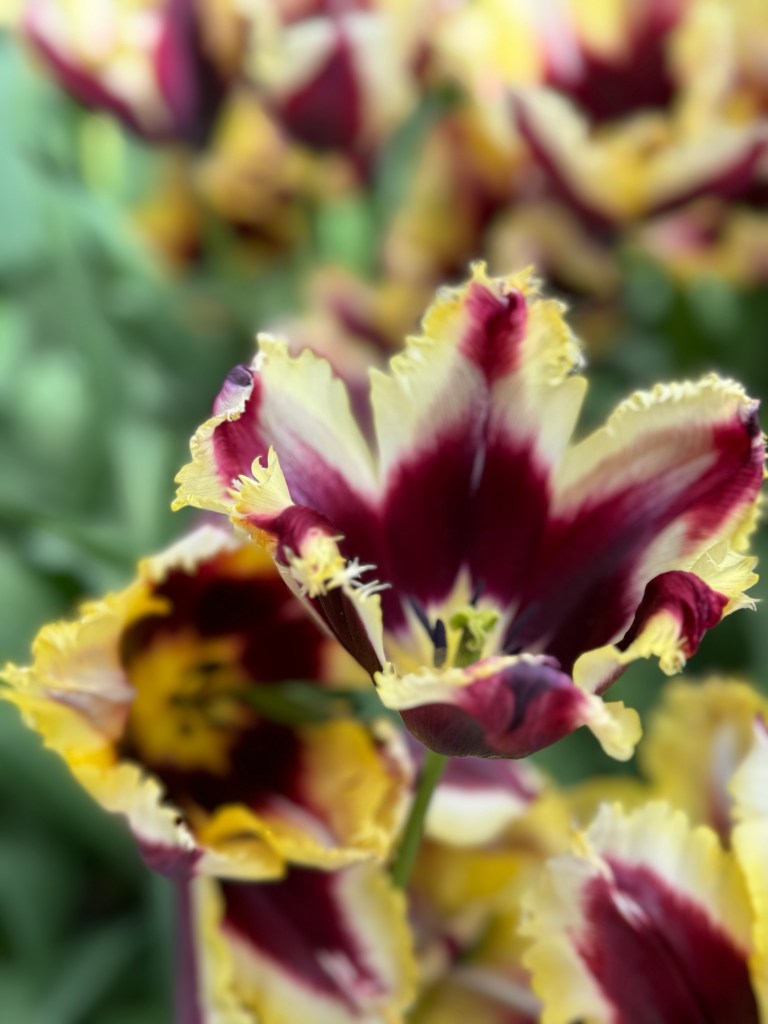







Bike Riding
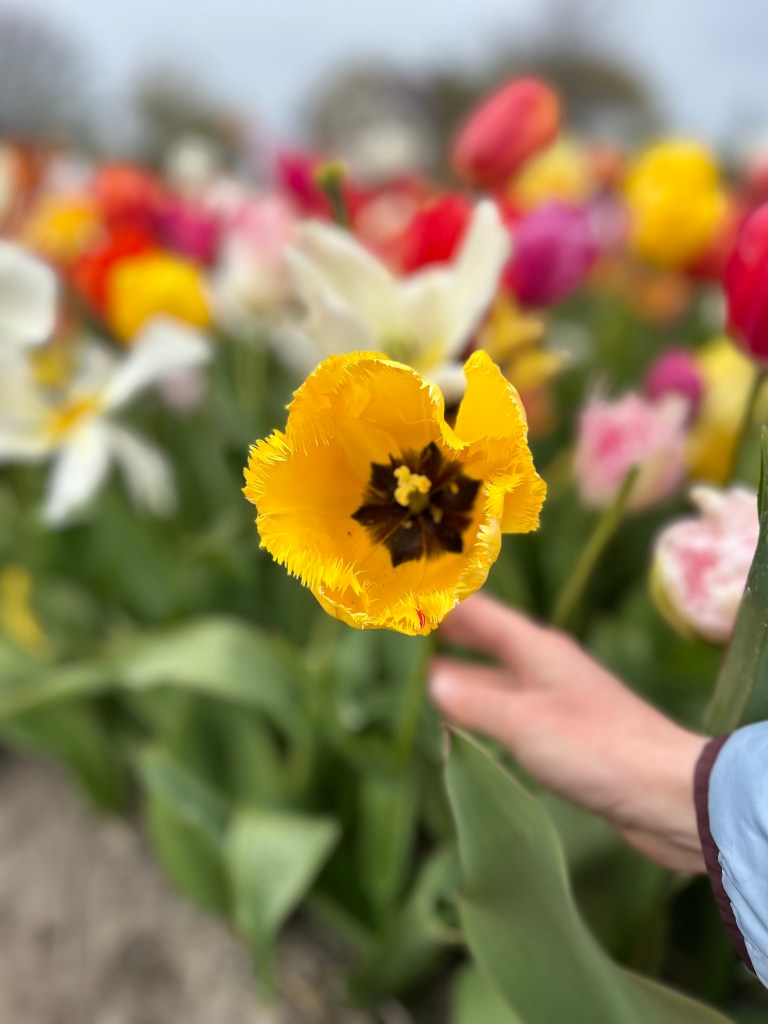
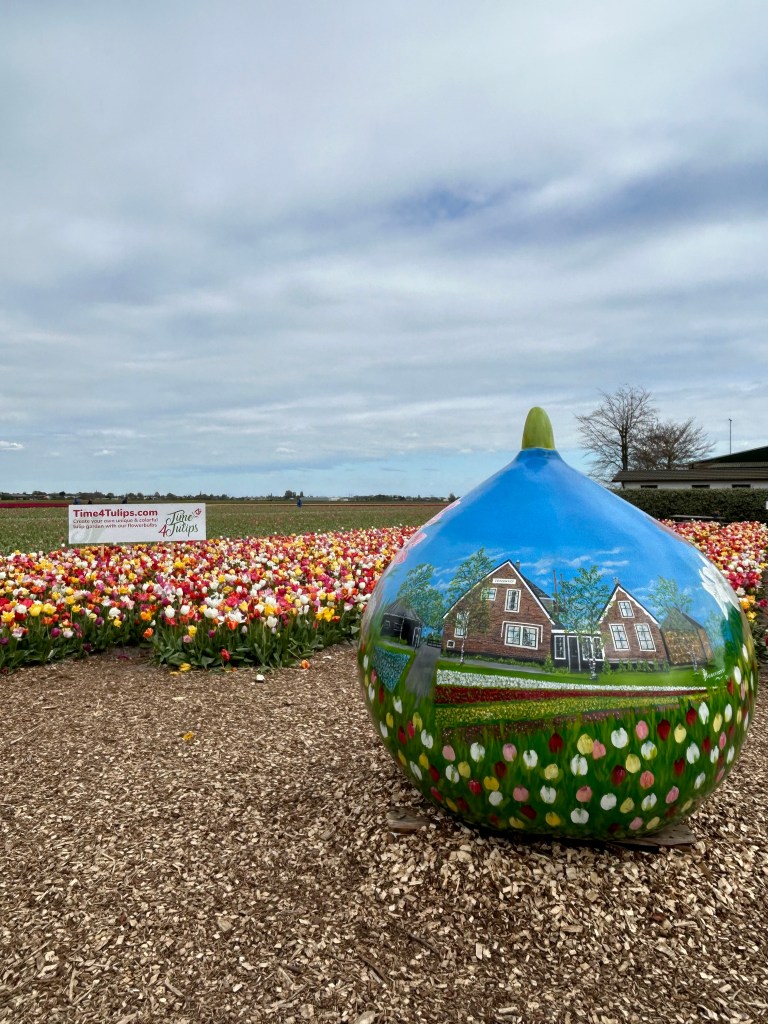
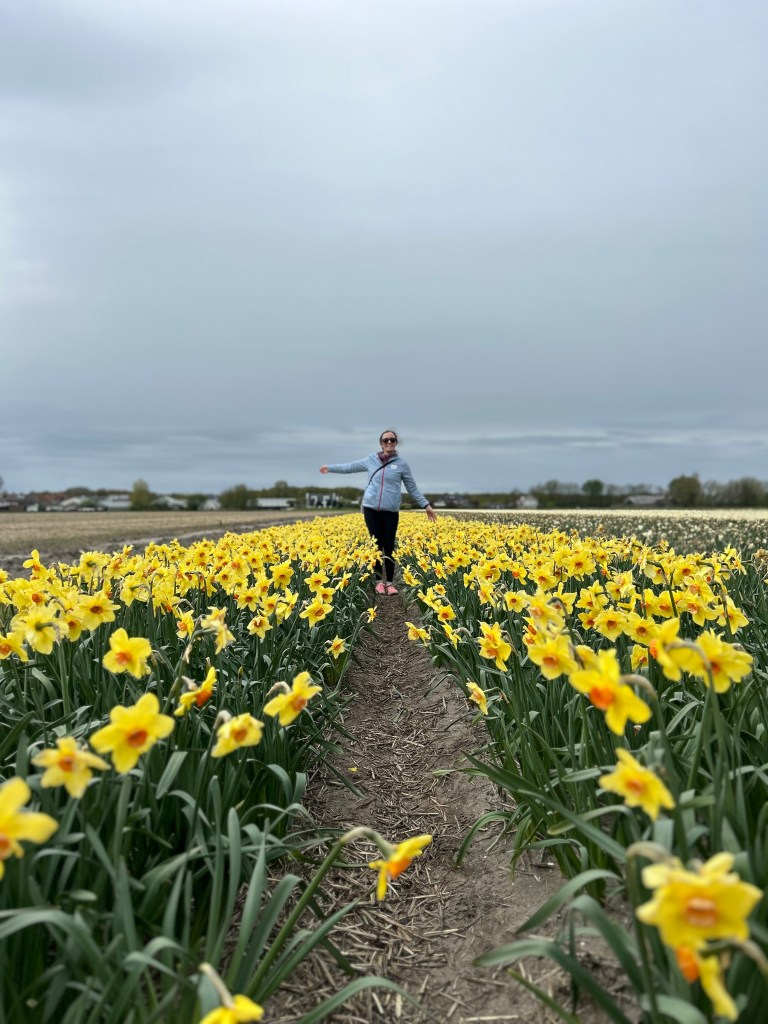
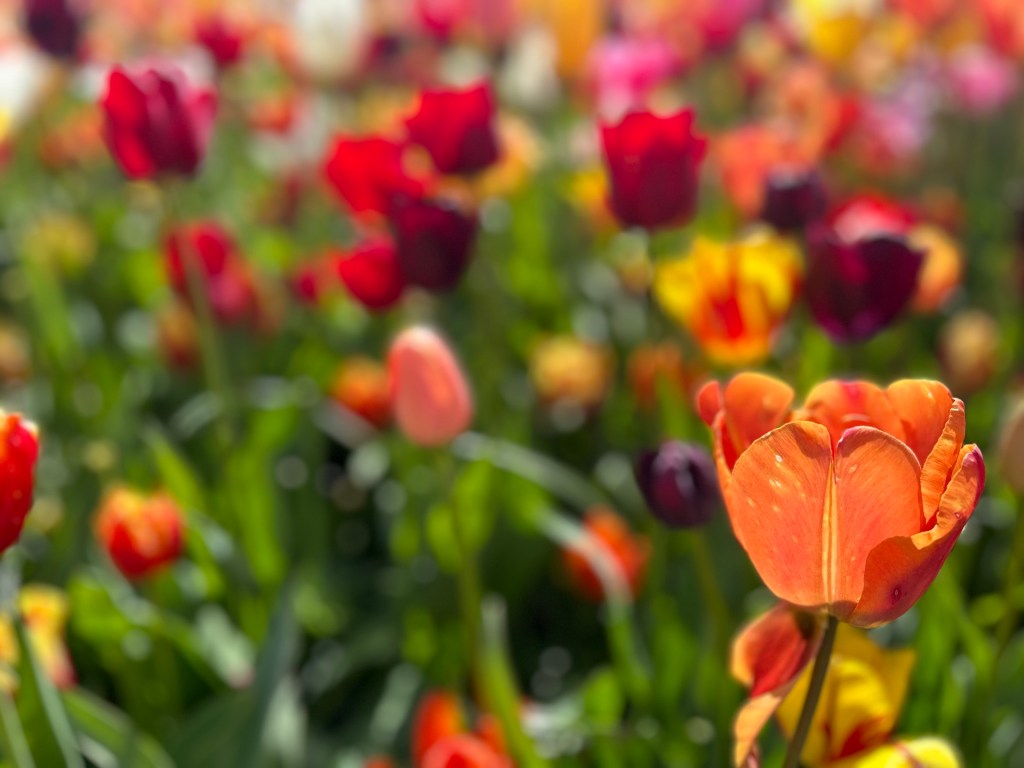
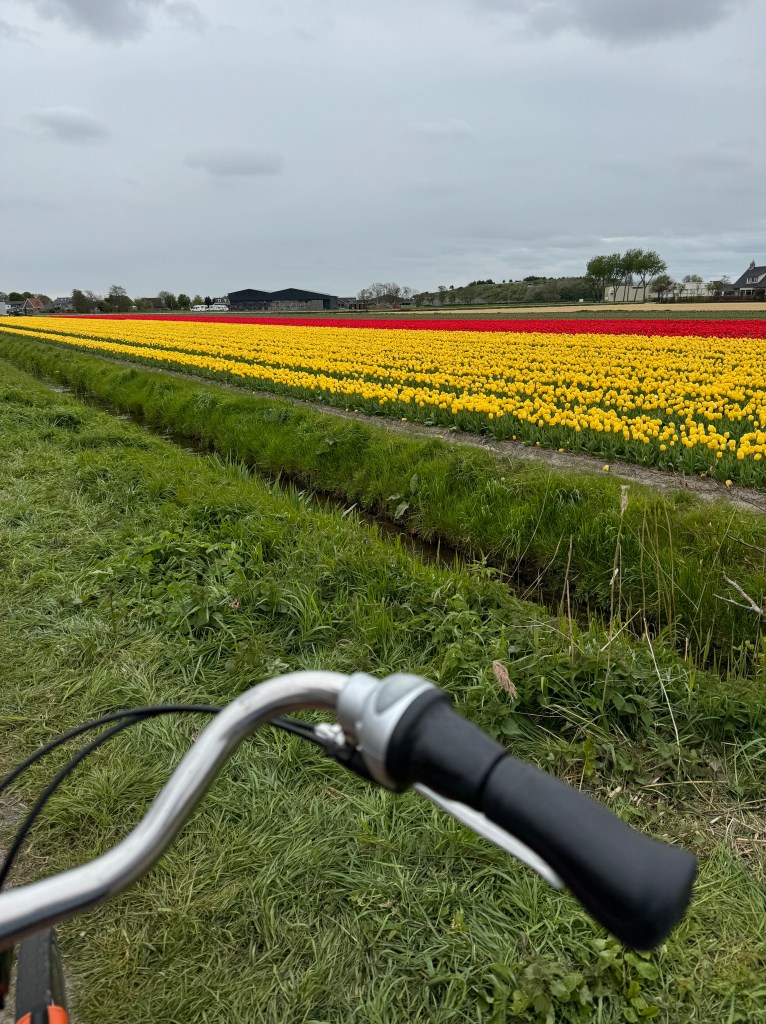
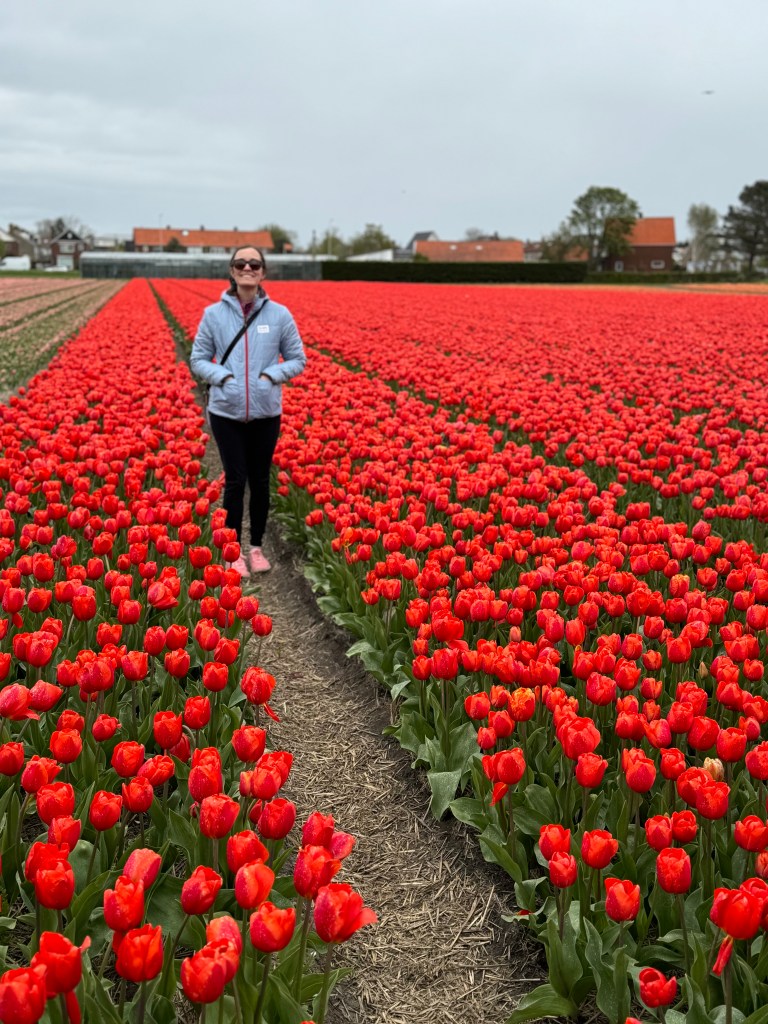
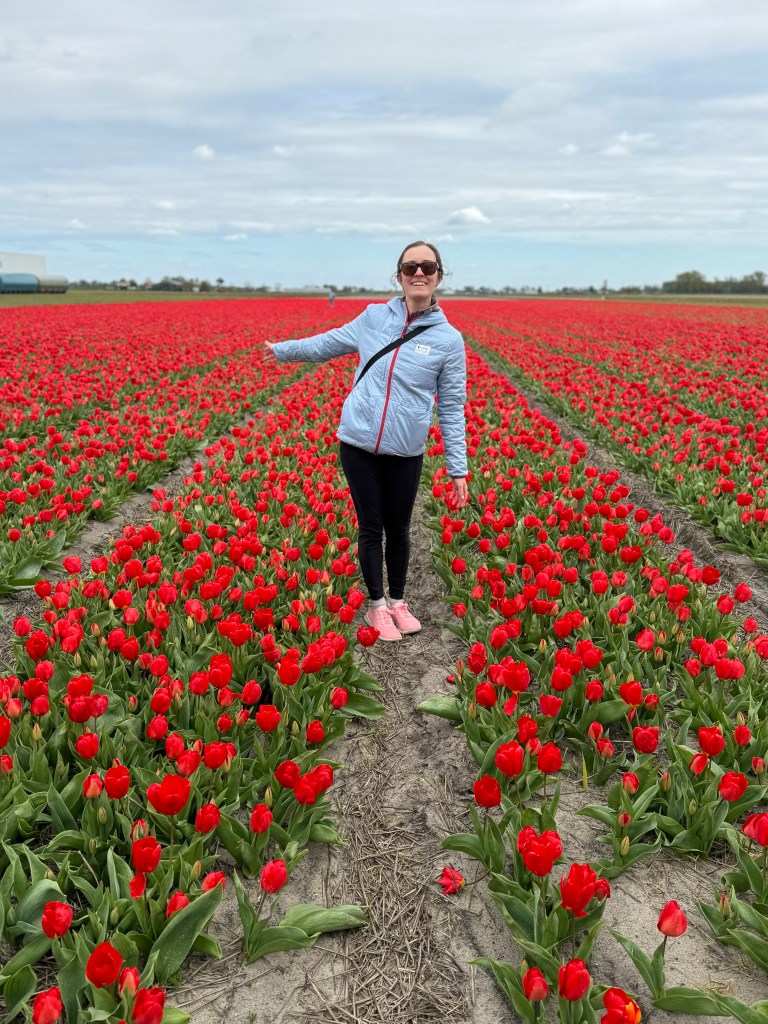
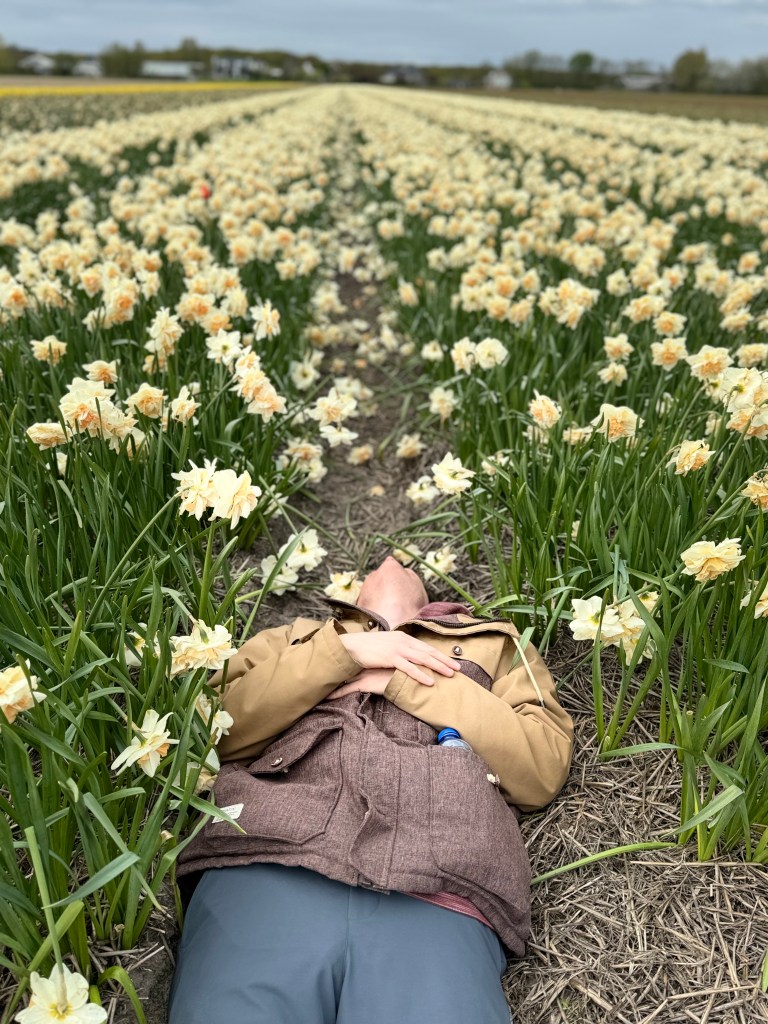
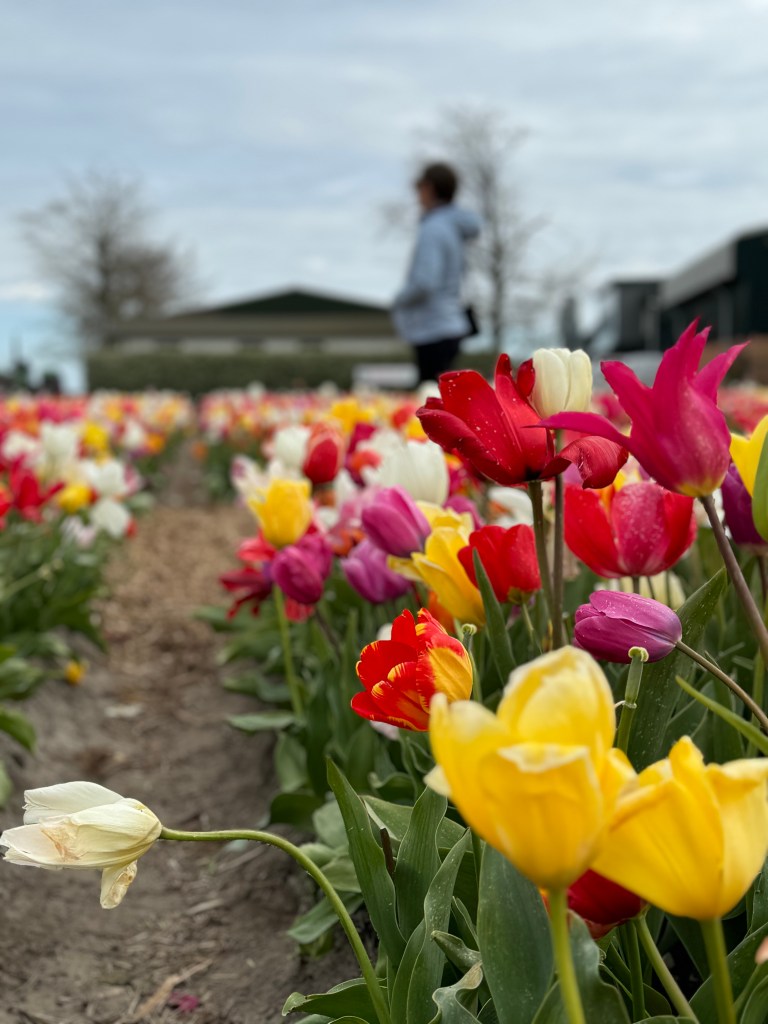
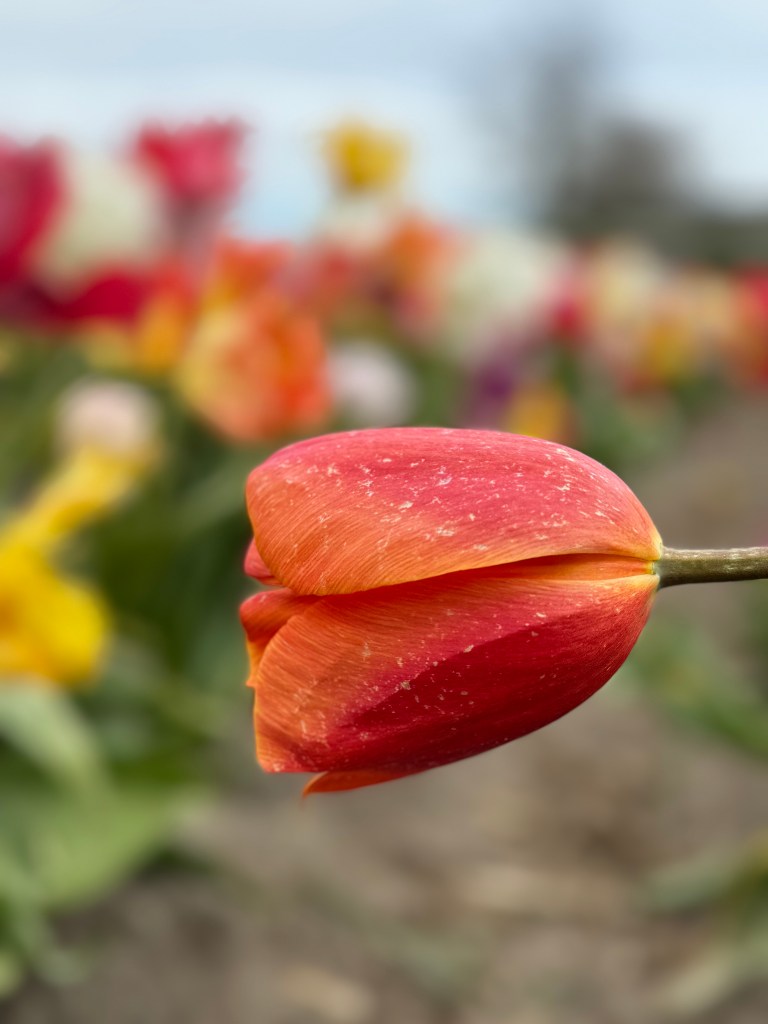
We walked out of the park to the bike rental station to get our cruisers around 2PM and were given a map of the surrounding area, with various tulip trails to choose from. In peak season, there are over 100 fields of tulips you can visit by bike and it must look like magic. I was hoping we would get that experience, but unfortunately it was a really warm spring (thank you climate change), so the tulips were mostly all cut 1 week before we were there. However, there were several fields that still had flowers and they were beautiful! The bike ride started off super sunny and a perfect day, but as we got further and further on our 10km loop, the weather turned and we were battling overcast and light drizzle on the way back to Keukenhof. Regardless, this was probably one of the highlights of our trip, and I can’t imagine how all of the fields looked during peak bloom.




Bruges
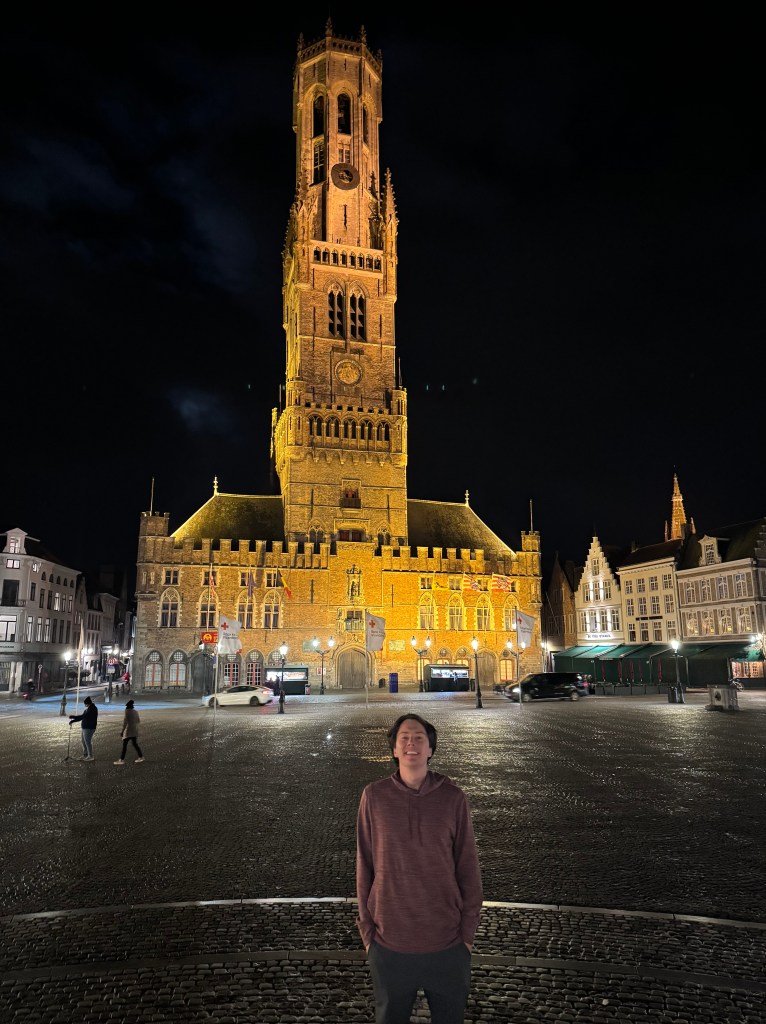
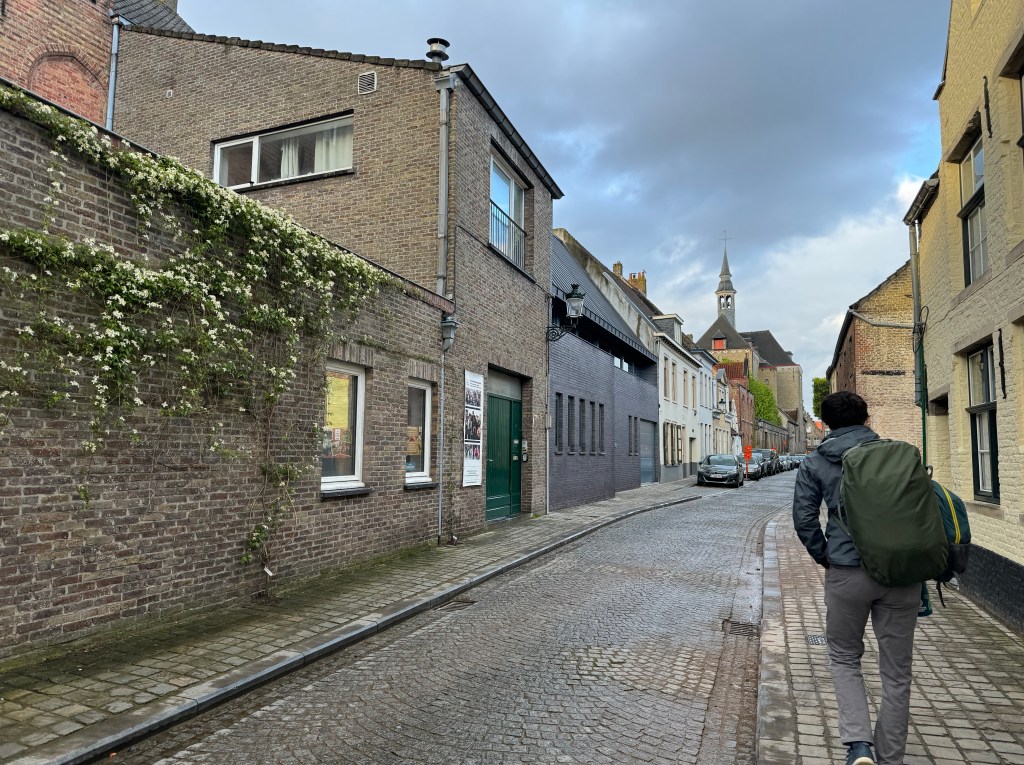
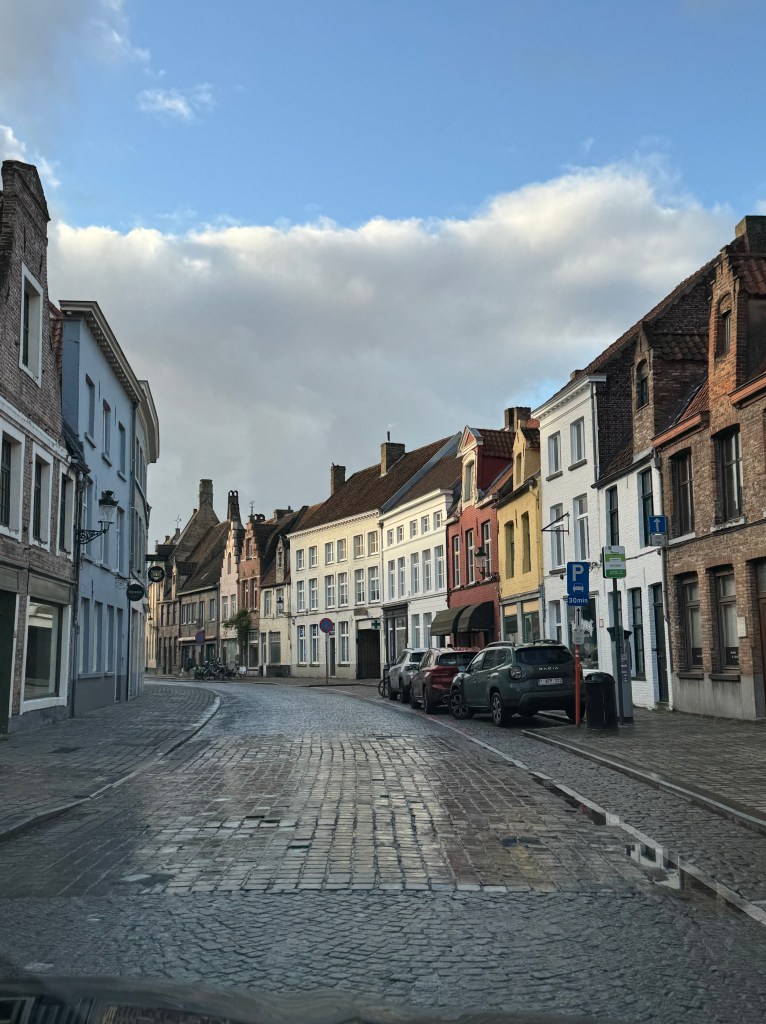
Our day was not ending in the Netherlands, no sir! We had a 3-hour drive back to Belgium, where we stayed in the quaint town of Bruges for the night. Unfortunately we didn’t have too much time to spend, because we were waking up early and heading out. We got to town around 8PM and walked to Diligence for dinner, and had a delicious meal of flemish stew for me, and the biggest bowl of mussels I’ve ever seen for Jared, in a delicious fennel broth. We walked around the town square for a bit before heading back to our accommodations. In the AM, we grabbed a quick breakfast before hitting the road to France!

 Tiff & Jared's adventures
Leave a comment