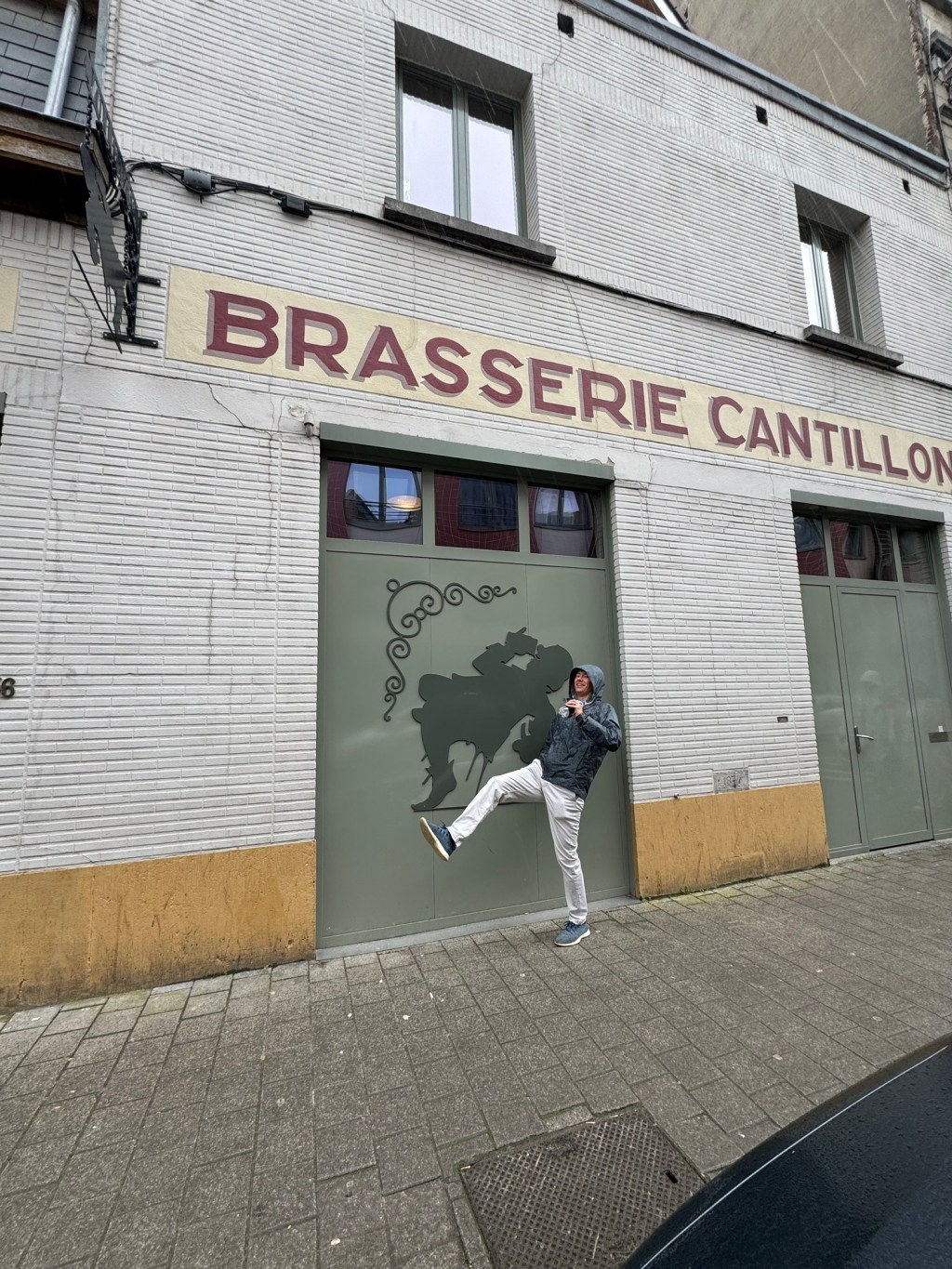
We made it to Belgium! After planning this trip in 2020, only to have it delayed by Covid, we finally got our European trip after four years! Belgium is the kickoff of our nine day European vacation with Brussels, Amsterdam, Normandy, and Paris. We love to pack a lot in a short amount of time, so we only had one day in Brussels. Our priority? Beer. Chocolate. Walking tour. We may have been exhausted and intoxicated by the end of the night, but we got to see a lot of Brussels in a short amount of time.
Cantillon Tour
To start off the day, we booked a tour at Cantillon brewery on the west side of town. Now, we’ve had this beer in the states, and it’s a very unique style of beer – the lambic. The tour began promptly at 10:30 AM and we got to walk around the entire facility. Some fun facts:
- Lambic is like the sourdough of beer because of its nature of spontaneous fermentation. For decades (over a century) this brewery has helped popularize spontaneously fermented wild beers called lambics. This means that the brewery can only produce when the temperature is below a certain temperature, so that the organisms and bacteria in the air are in most abundance. This typically means the brewing season is November – March. It was very interesting to hear that the brewing season is very susceptible to climate change – the earlier it gets warmer each year, the less that lambic breweries are able to produce.
- A blend of multiple lambics is called a Gueuze
- When cherries are added, it’s called kriek, the Dutch word for “cherry.” When raspberries are added, it’s called framboise, the French word for “raspberry.”
- For the first four decades of its existence, Cantillon was a blendery instead of a brewery (created brews using a product not their own, but from other breweries).
- It has its own holiday – Zwanze Day started in 2008. It has since become a worldwide celebration. Each year, a select few bars around the world are granted kegs of the special Zwanze Day beer and serve it at the same time across the world – more on this later!!
We learned and saw a lot on the tour. Because it was April when we visited, production had stopped for the season (although there was a drop in temperatures recently so they said the brewing season could probably have been extended).
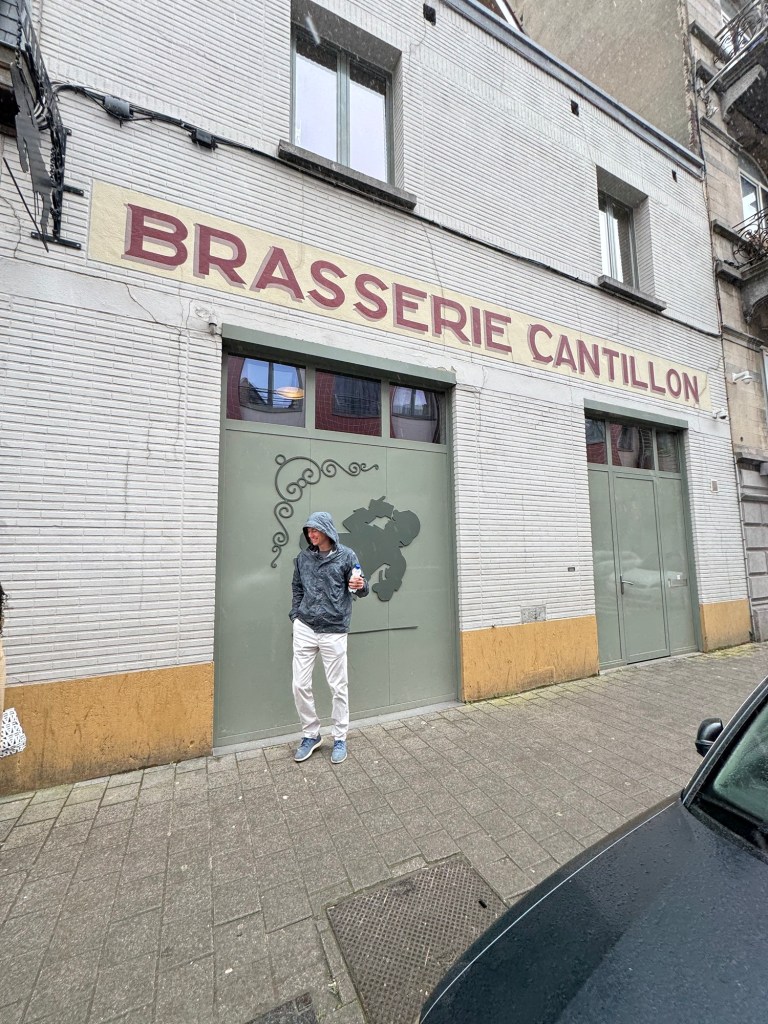


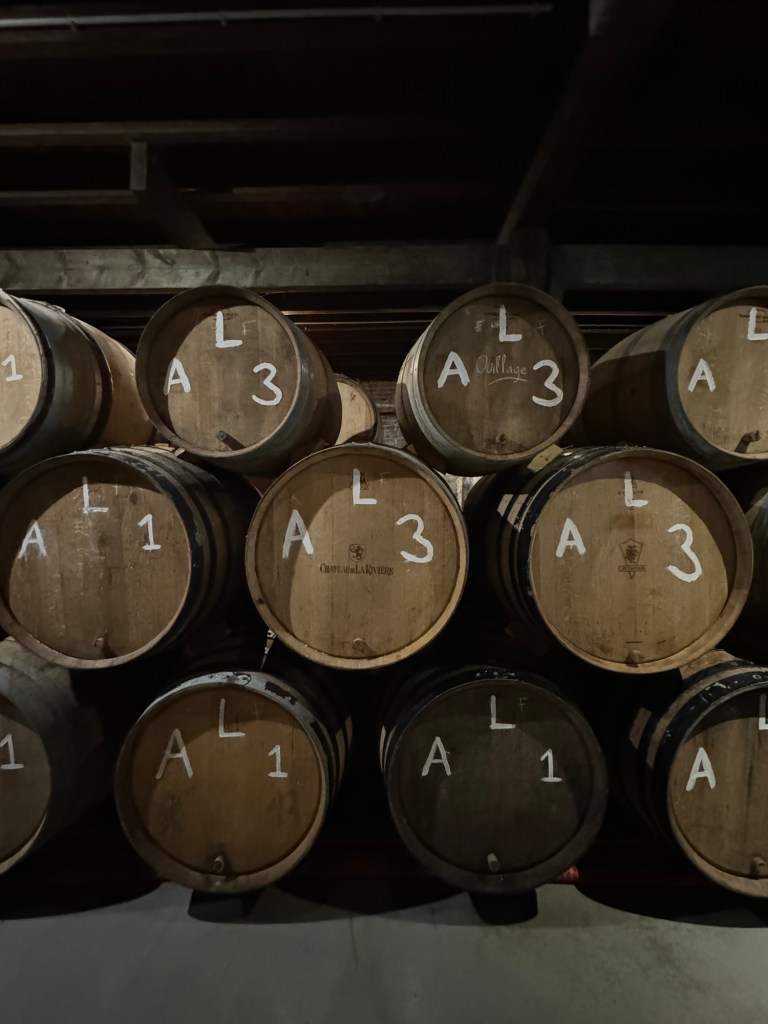
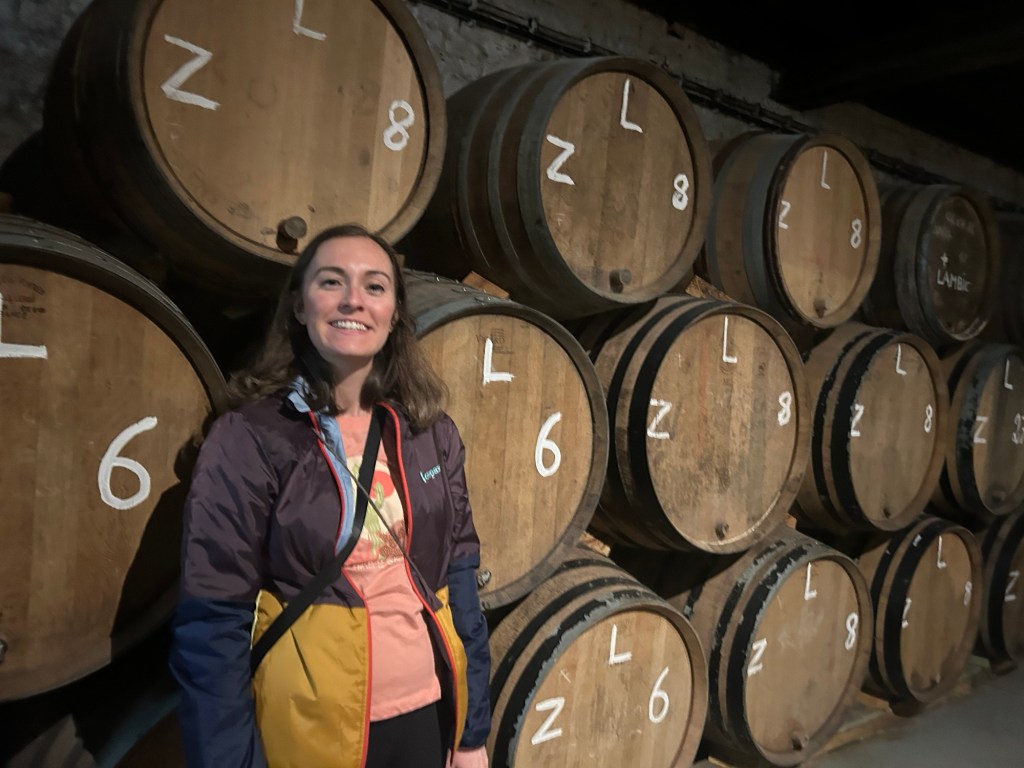
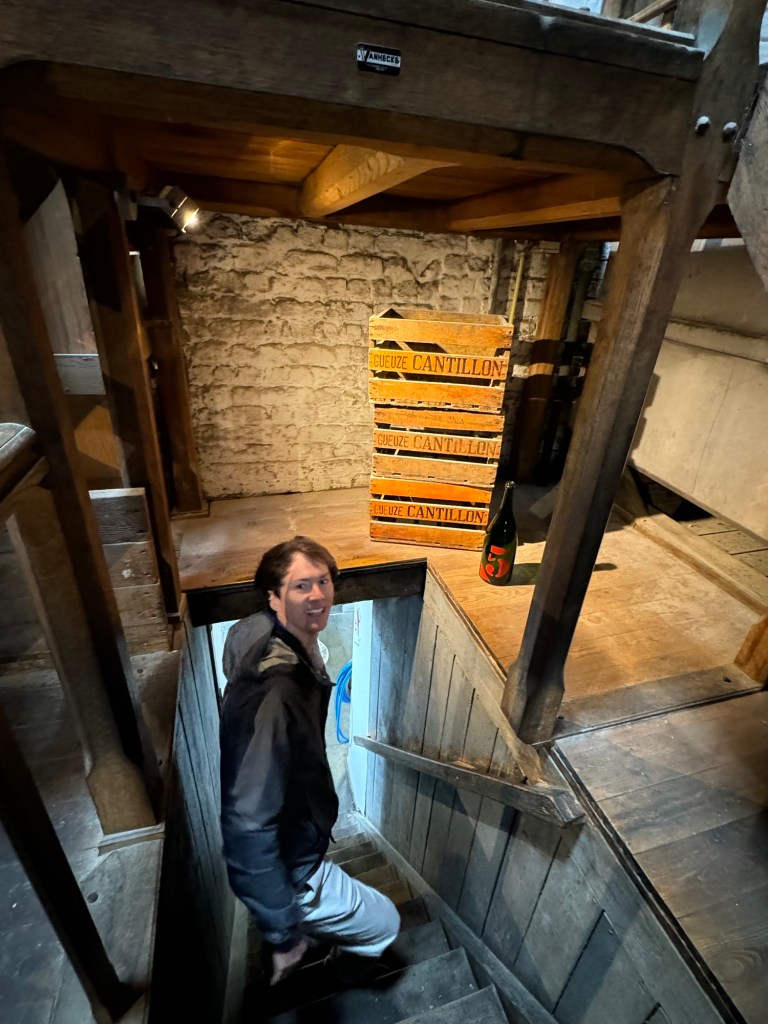
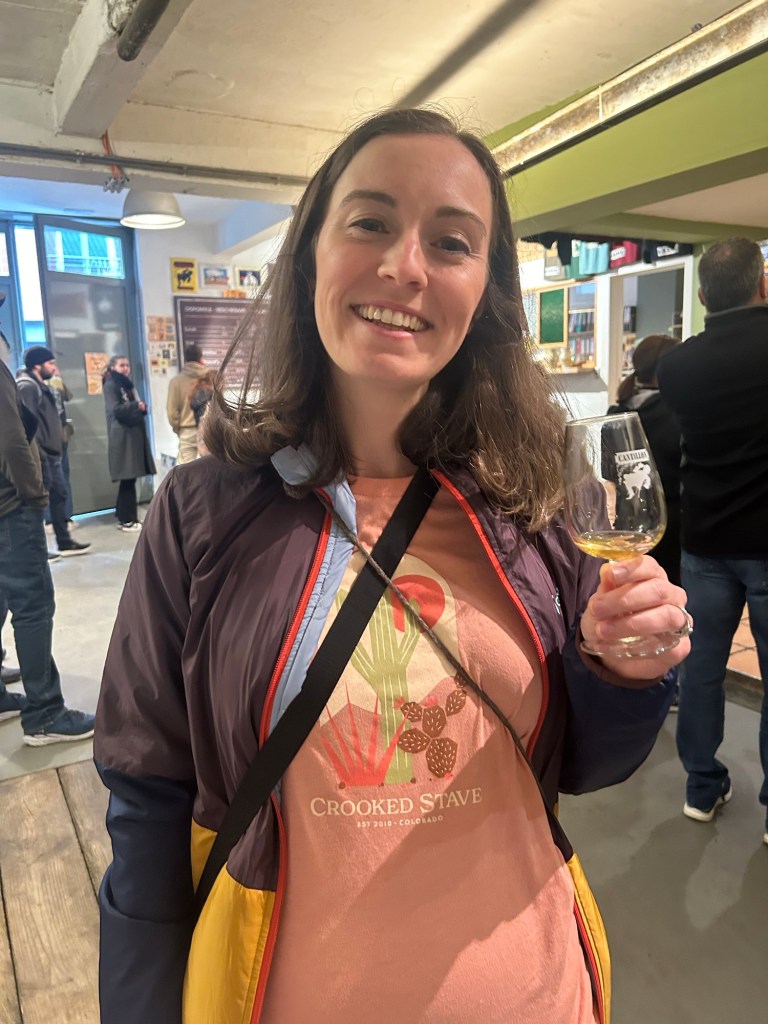
The informational part of the tour ended back at the place where we started, where we were then able to taste three different beers of theirs – a young Lambic, a Gueze, and a fruited lambic of our choice. My favorite was definitely the Kriek, or cherry fruited lambic. We ended up getting some swag, including a sweatshirt and a tin tacker we’re going to hang up back home. Unfortunately for us, we had a 4-hour walking tour after this tour so we didn’t want to carry any bottles around, but wish we could’ve because the bottle prices are the brewery are so reasonable compared to getting them back home. Hopefully we can find some elsewhere in our trip! The tour and tasting ended around noon and we had a walking tour to get to by 1 PM so, drinking the last of our tastings and then going across the street to a bottle shop our friend recommended (yes we got a bottle), we made our way towards central Brussels for our chocolate and beer walking tour.
Walking Tour
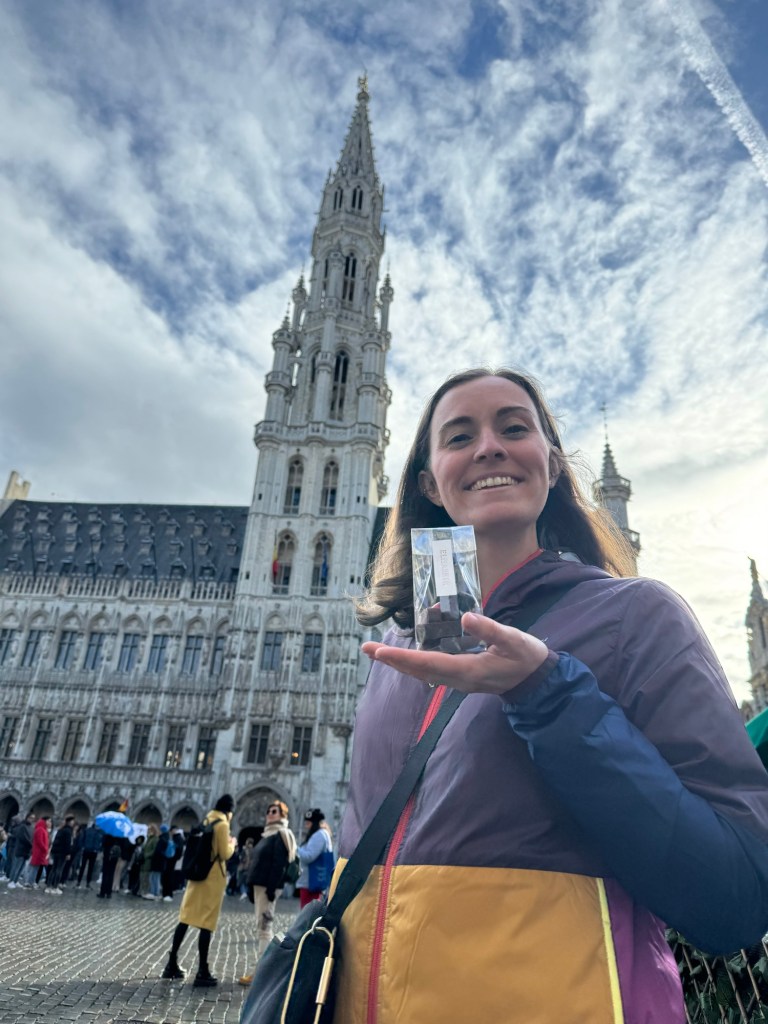
We booked a walking tour with Hungry Mary, specializing in Belgian chocolate and beer. The tour lasted for four hours and the first 2 hours were spent walking to different chocolate makers around town and learning a bit about chocolate culture. The tour included the following locations:
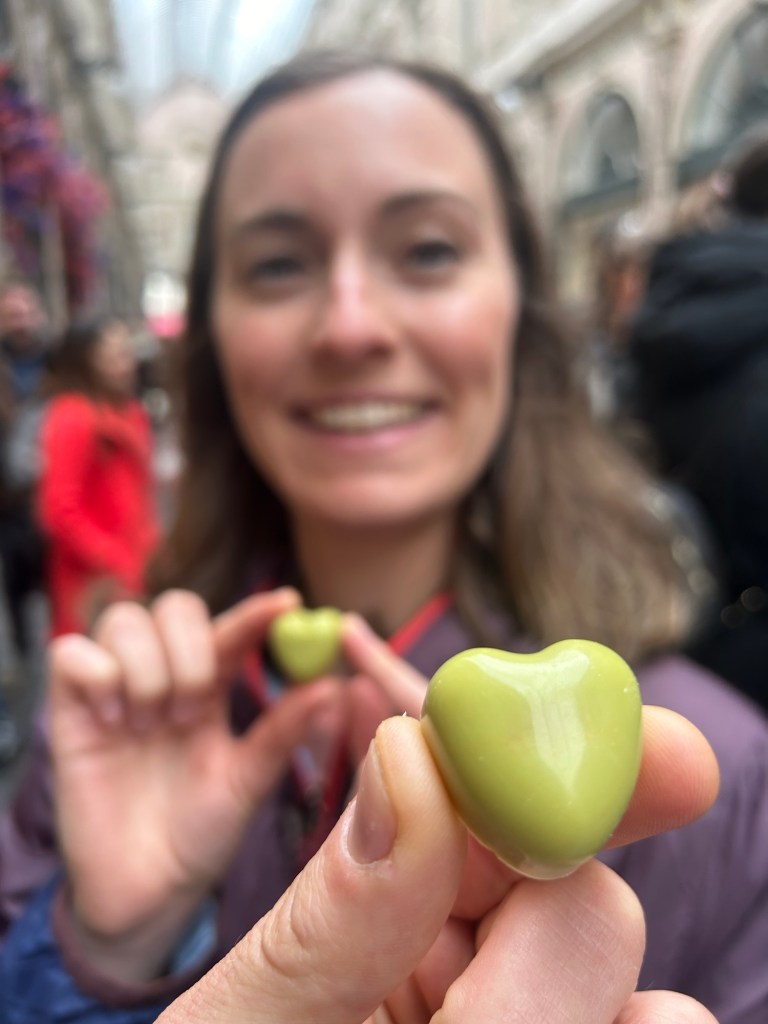
- Pierre Marcolini, which was located among the bustling shops of the Royal Gallery (opened in 1847). We had three chocolates here, a single origin chocolate, a nougat and a white chocolate pistachio (tasted just like one!!).
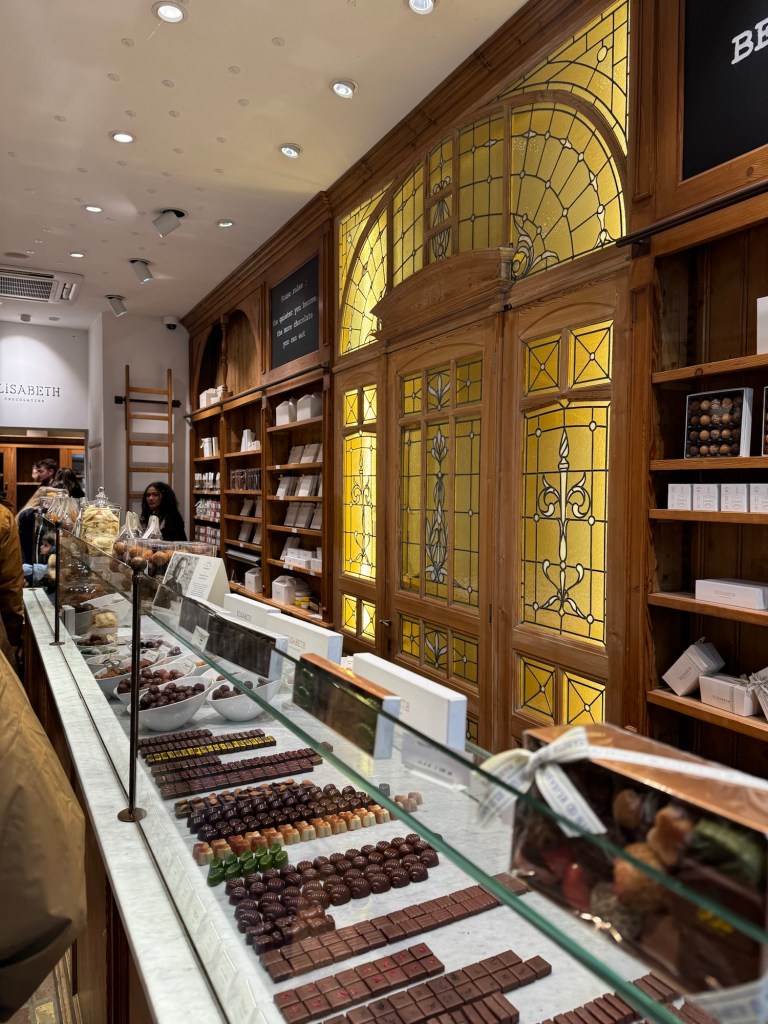
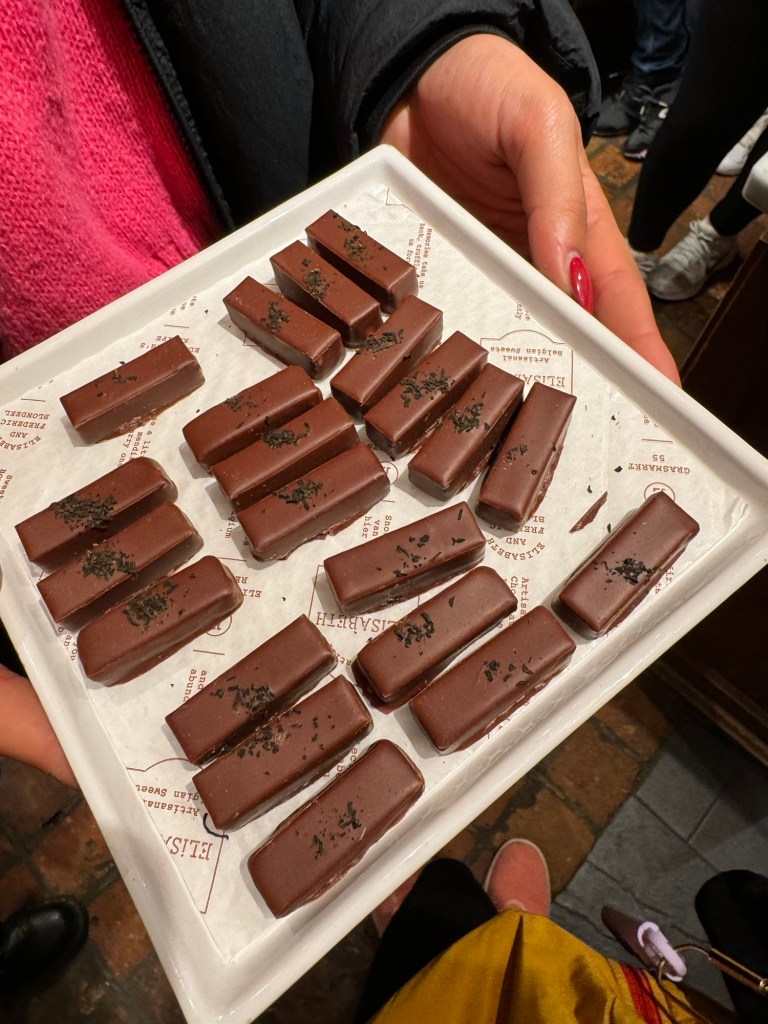
- The next place was Elisabeth (ended up coming back for chocolate from here). We tried a raspberry ganache, earl grey ganache (tasted just like tea), and a whiskey ball.
- Next was Herman van Dender – this chocolatier is the official supplier of the Belgian royal family! We tried a speculoos chocolate and got some hot chocolate.
- BS40 was our next stop, and we got to try two of our choosing. I can’t remember what I got so it must’ve been least impressive to me I guess?
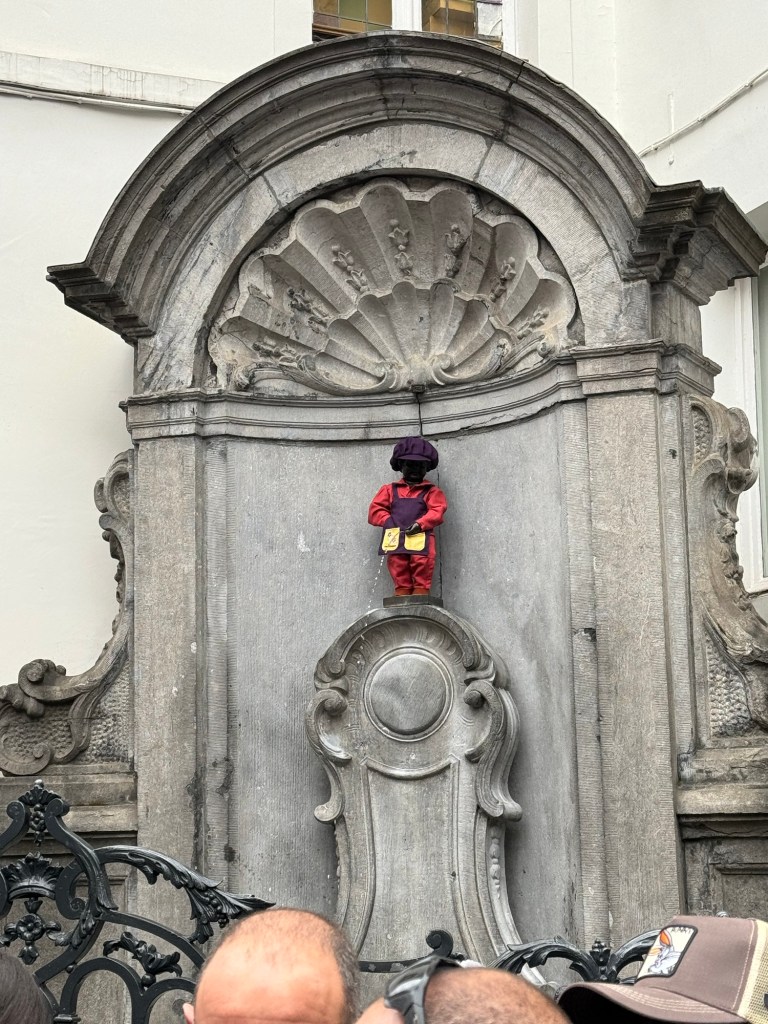
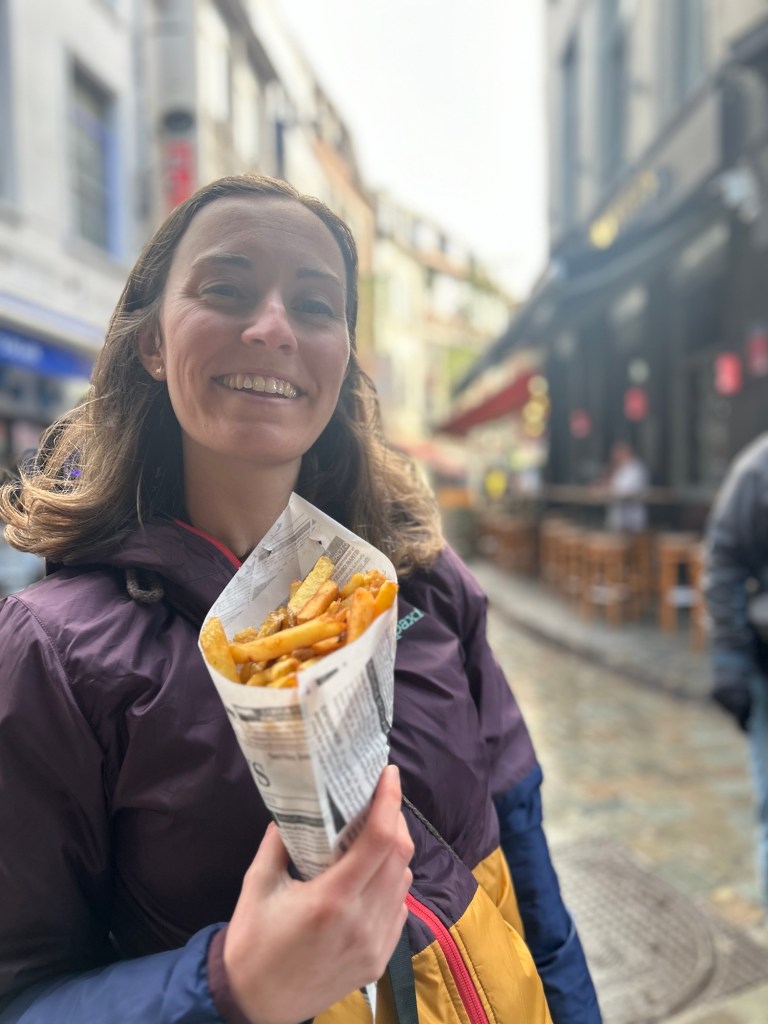
Throughout the tour, we learned a bit about Belgian history as well (but TBH could’ve used more). For example, several of its landmarks are marked as UNESCO heritage sites. One of these includes the Grand Place (main square). One fun fact is when the city hosts events in the square, they have to remove each individual stone in the square and realign them once the event is over (each brick is marked to know where to go back in place). Another fun fact: Belgium is divided into three major regions: Flanders, Wallonia and the Brussels-Capital Region. The Flemish region is primarily Dutch-speaking leaving in the northern part of the country, while the Walloons are the French-speaking people who live in the southern part. There are a lot of differences between the two including culture, history, and obviously language. So, what language might you ask do they speak in Brussels?! Luckily, the City of Brussels is bilingual and most people speak English. We looked up a few touristy phrases but luckily got by using our English.
Circling back to the tour – beer time! The last two hours of the tour were spent at three watering holes around central downtown. The first bar was in this creepy (?) puppet theater called Toone and we tried some typical Belgian beer including a Kriek. Most people didn’t like the sourness and left their beer untouched – definitely an acquired taste!
We then went to a bar on the main square called La Brouette, and ended the tour at De Goede Oude Tijd. We had time to meet some other nice couples from the US and share some beers, snacks and stories with them. We weren’t able to stay and mingle because we had another event – Zwanze Day – to get to!





Zwanze Day Beer Festival
Jared and I really enjoy beer, and we like (not love) sour beer. When we were supposed to come to Belgium originally in spring 2020, we had planned to go to Quintessence, a beer event put on by Cantillon (the same brewery from the beginning of the blog). Instead, due to the timing of our postponed trip, we got to participate in Zwanze Day! Originally in September, it’s now been moved to the Spring. The change in the timing of the Zwanze Day they explained is due to the effects of the timing of the annual fruit harvests (freakin climate change).
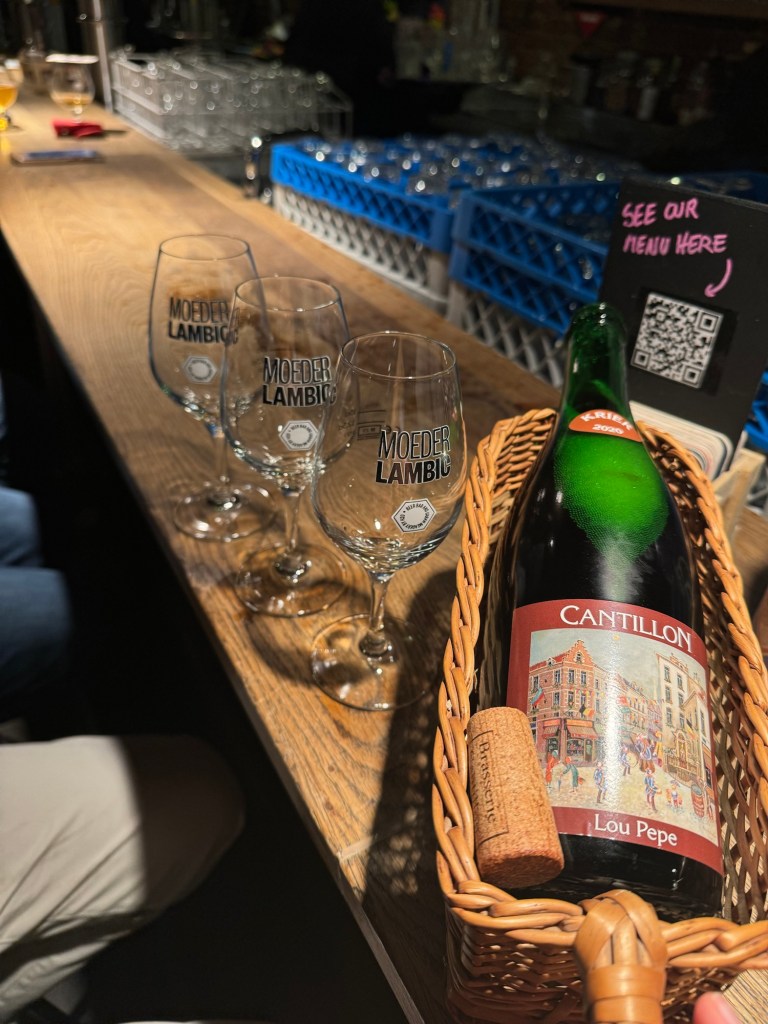
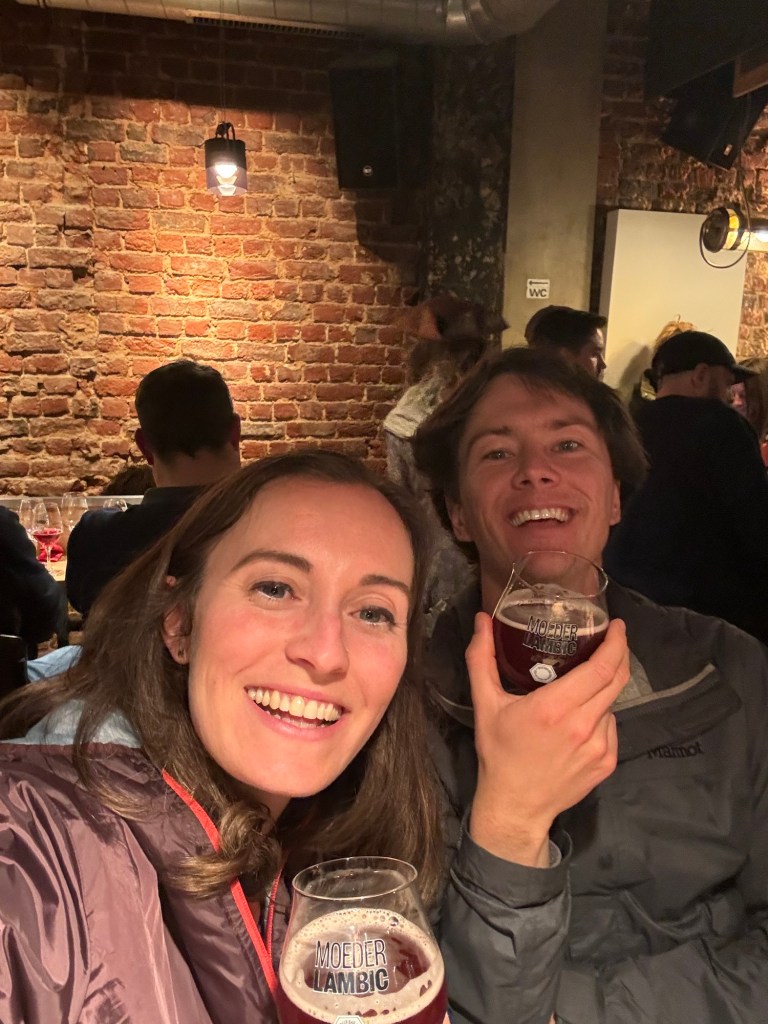
For a little history, once a year, “Cantillon orchestrates a worldwide event featuring a beer made specifically for a few select accounts around the globe for a simultaneous toast of this fleeting beer. This magical fun day is known as Zwanze, a word that refers to a sarcastic style of humor, often noted in the specialty beer’s playful nature and ingredients”. I made sure to wear my Crooked Stave shirt since that was the Colorado brewery participating in Zwanze! Our tickets got us in to Moeder Lambic Fontainas, where our ten tickets got us pours of beers, full bottles, and a tasting of the 2024 Zwanze.
From the brewery on the beer,
“A little over a year ago, we were in Brittany to submerge a few dozen bottles of Gueuze in the sea as a collaboration with Sylvain, an abalone farmer in Finistère. These bottles are still fermenting at a depth of 10 meters in the company of his charming creatures.
Once a month, Sylvain brings up the cages to add various types of algae for the mollusks to feed on. We tasted these same algae in tartare during our visit, and the idea came to us to try them in maceration with lambic to create a partnership between the brewery and Sylvain’s company. After several attempts, it turned out that seaweed, specifically the sea lettuce, gave the best result.
The beer is, of course, very different from the fruity, vinous, or floral tastes traditionally found in our products. This Zwanze 2024 exudes aromas of exotic fruits; it has notes of iodine with a slight salinity reminiscent of oysters. In short, a very different beer from what we are used to discovering at Cantillon – a true Zwanze!”
Sooo yep, we got a sea lettuce beer. We got to Moeder around 6 and ended up at the bar next to a guy from Ohio, who makes the trek every year to pay homage to Cantillon’s festivals. Over the course of a few hours, we ended up sharing some bottles, pours of various beers and at 9PM, along with everyone else at a participating brewery around the world, we cracked open Zwanze 2024! It was gross! The beer definitely had a briny flavor and I struggled to finish it but hey we were here for this so I had to. It was a fun experience and honestly super worth it because we got two bottles, one we drank and one we took, which would be so expensive to buy back in the States! I packed some Party Smart pills which we took during the drinking (you’re supposed to do this), and ended up feeling not too hungover in the morning for as much as we drank.
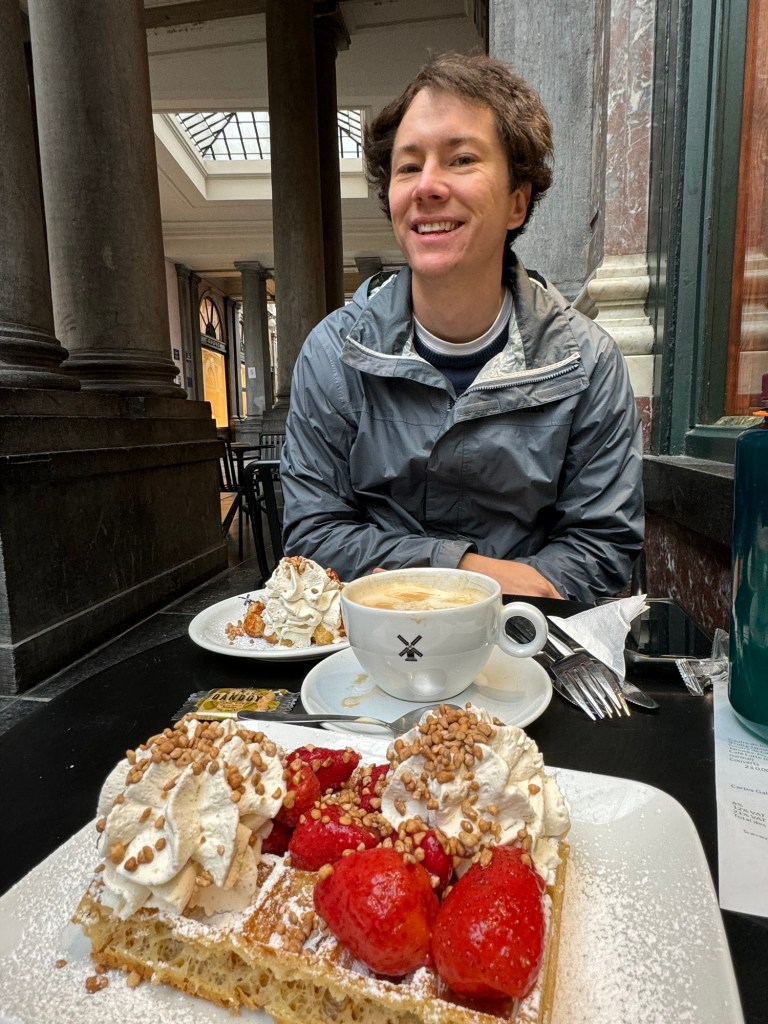
In the morning, we made a run to the Royal Galleries, specifically Maison Dandoy, to get some Belgian waffles since we hadn’t tried them yet! Our walk to downtown from our hotel was about 20 minutes on a Sunday morning, and it was a very quiet walk which was surprising and somewhat haunting. It was cool to have such a quiet walk, not even that early, in the morning.

La Trappe
While this was technically in The Netherlands, this blog is 80% about beer so thought it made sense to add here before we got to our second leg in Amsterdam! Another item on our list was to go to a Trappist brewery. What is a Trappist brewery you ask? Here are some fun facts:
- Trappist monks are born from the Cistercian order of the Catholic Church. The lifestyle they live preaches strict rules around prayer and work – the monks must create something beneficial to the society (at La Trappe they make bread, jams, beer of course, among other things). Trappist monks originate from La Trappe Abbey in Normandy which was an influential branch of this order, hence the name Trappist.
- In order to be considered Trappist beer, three criteria must be met. The beer must either be brewed by, or under the supervision, of a monk. Secondly, the beer must be brewed in an abbey or monastery. Thirdly, the proceeds of beer sales must either go back into the upkeep of the monastery or go to charitable causes.
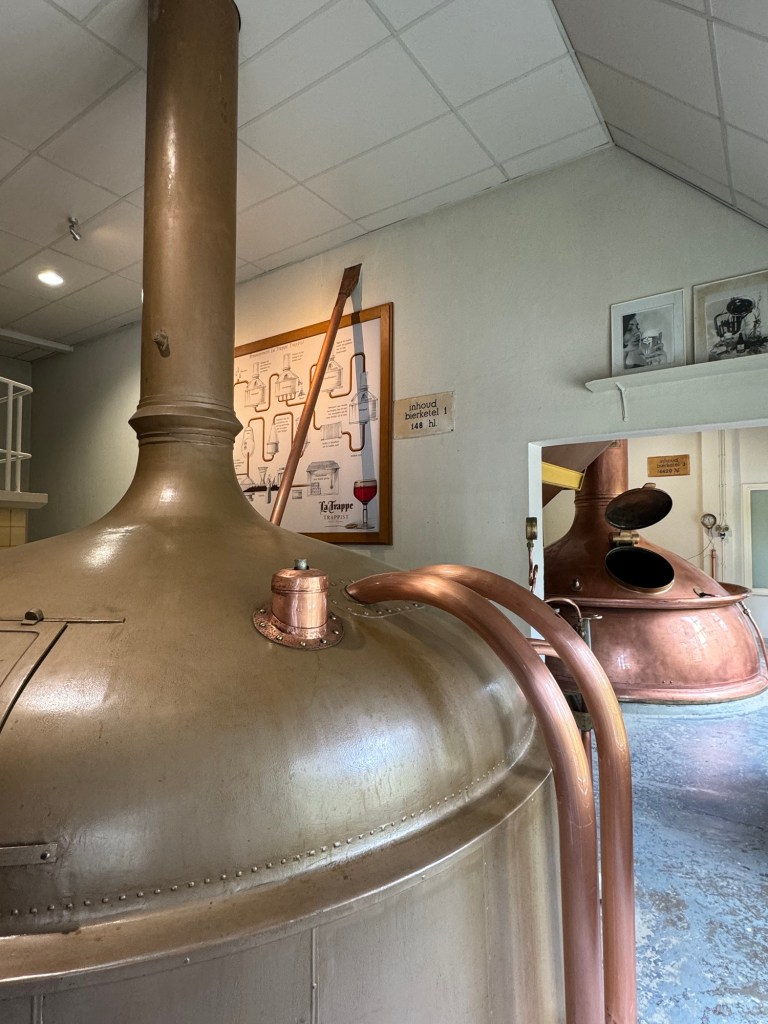
We got there around noon to have lunch before the 1PM tour and had a delicious sandwich and Flemish beef stew. Upon entering the room to start the tour, we were met with a surprise – I’d accidentally booked the Dutch tour instead of English. The guide was very friendly and explained the initial video had English subtitles, then he gave us his iPhone to use during the tour that had the notes in English. During the tour, we walked around the grounds, including the production facility, and saw views of the abbey (fun fact you can actually stay in the abbey overnight). We didn’t understand anything the guide said in the tour but it was a pretty day and nice to walk around. At the end, I don’t think I’d recommend anyone needing to go to a Trappist brewery unless you love the beer, but it was a cool experience to say that we went.



With that, Belgium is wrapped up (except a night in Bruges later on). Onto the Netherlands!
 Tiff & Jared's adventures
Leave a comment