
Day 1
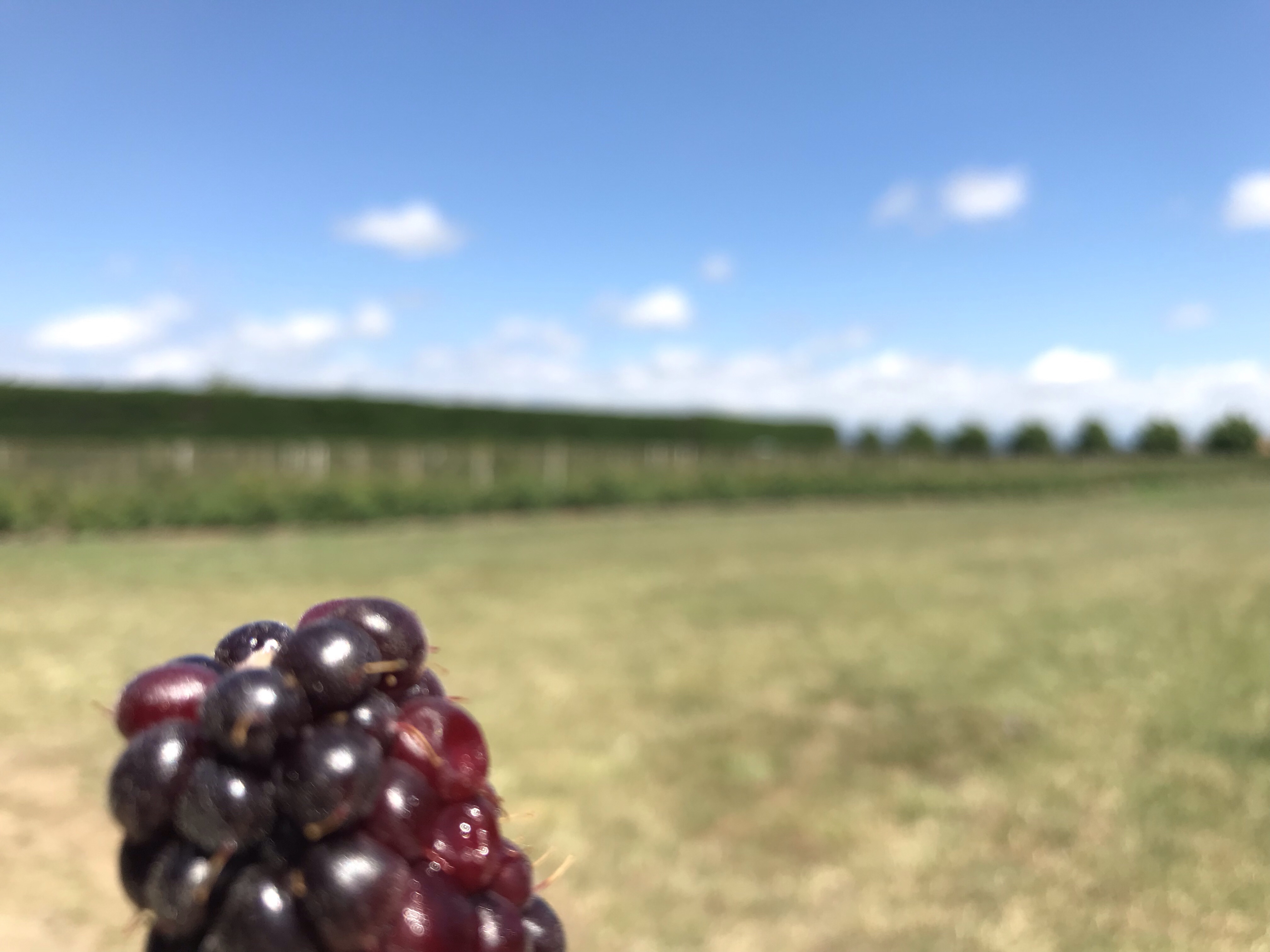
We thoroughly enjoyed our time in Nelson yet were excited to go to Abel Tasman, as the forecast looked sunny for days. On our way out of Nelson, we stopped at Berrylands for our fruit fixing. The region is known for producing a variety of fruits, mostly berry types but others as well, due to the vast amount of sunshine the region receives. We didn’t have time to pick our own berries but they had pre-picked (and super reasonably priced) blueberries, strawberries, and boysenberries inside the store. We settled for boysenberries since we’ve never had them before and they were delicious! Basically a big blackberry with a sweet bite and slightly tart aftertaste. We also split a mixed berry ice cream which was super fresh. They took vanilla ice cream 🍦 and mixed frozen berries to create fresh soft serve – yum! Satisfying our sweet tooth, we progressed to Abel Tasman. 
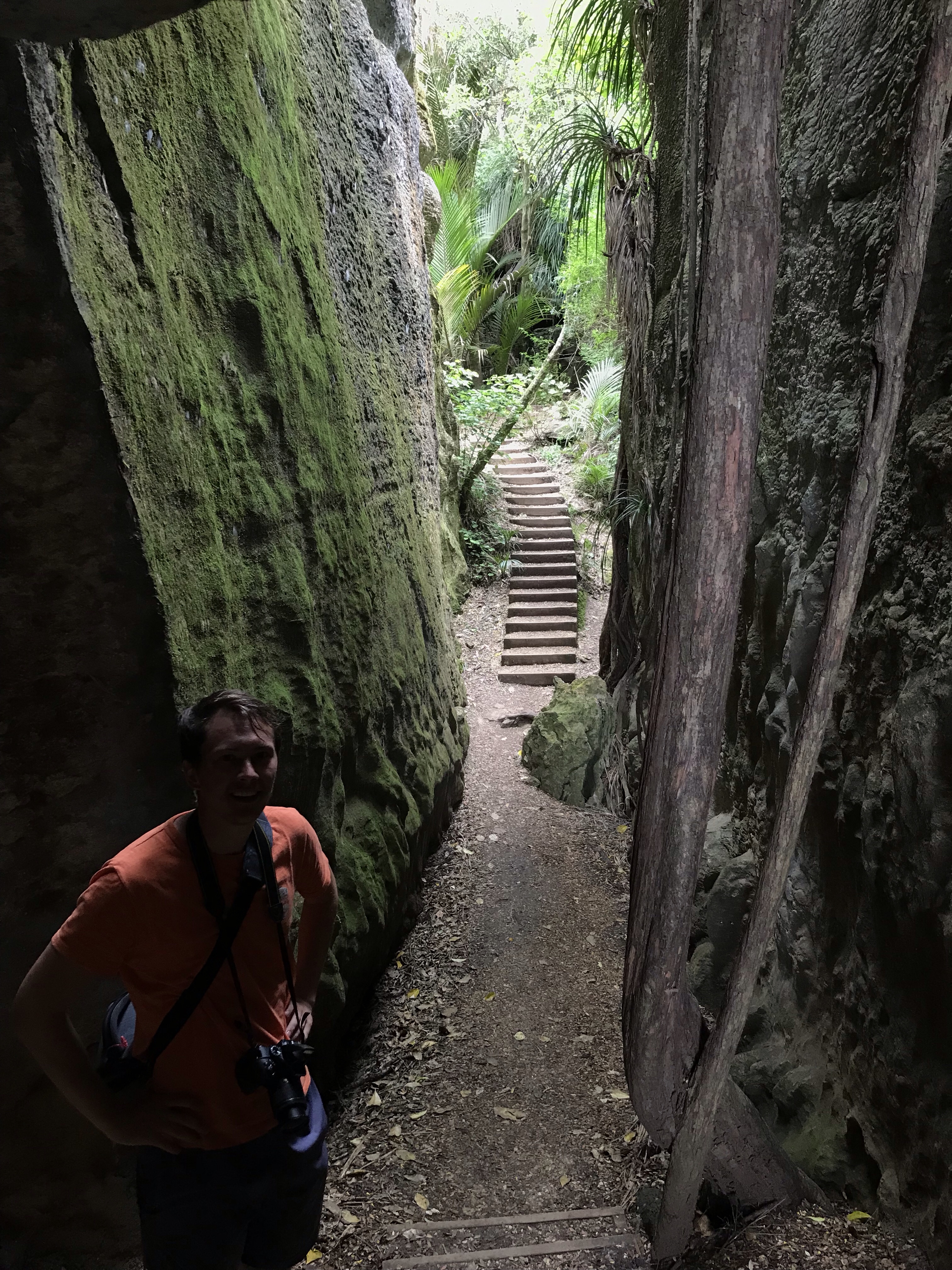
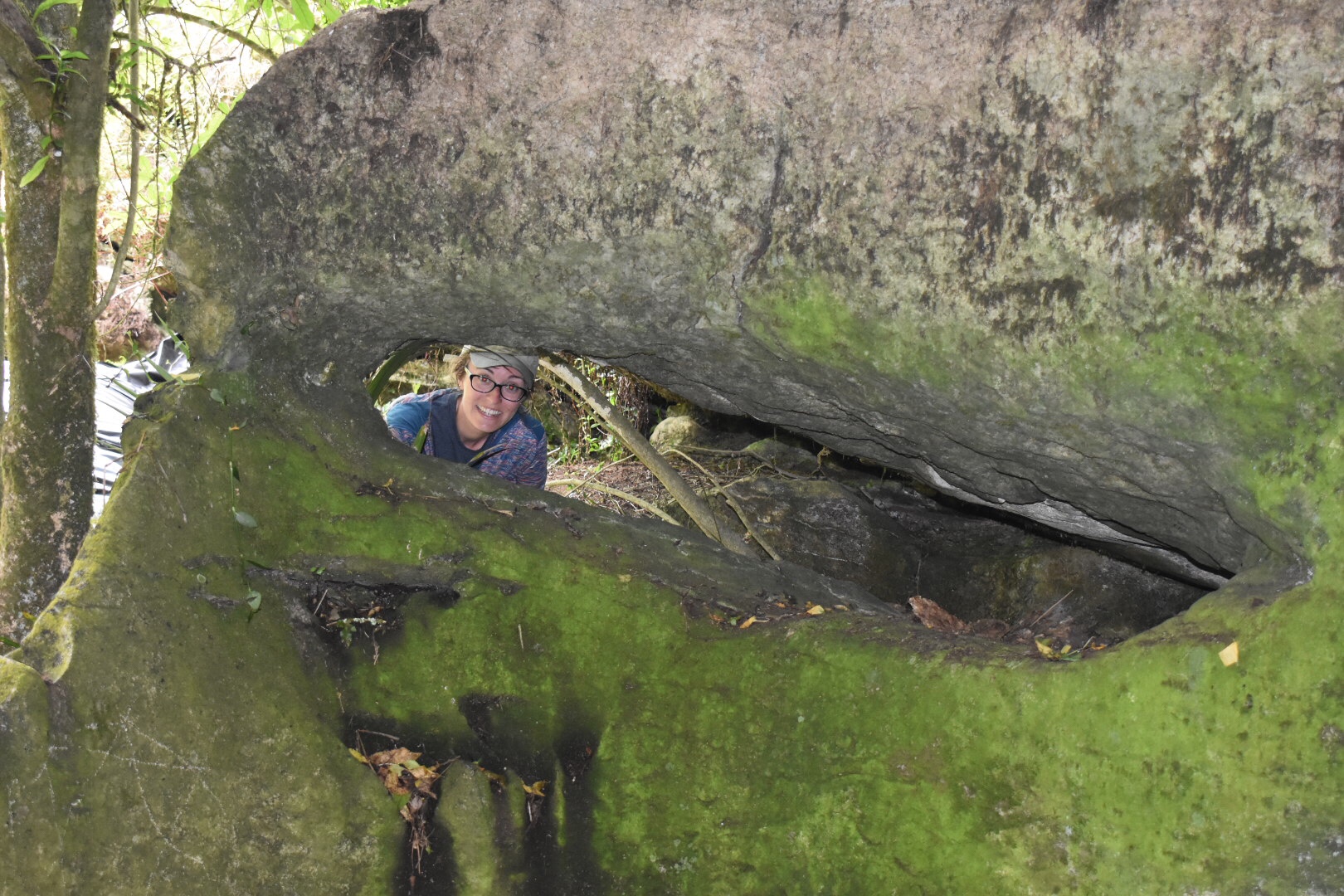
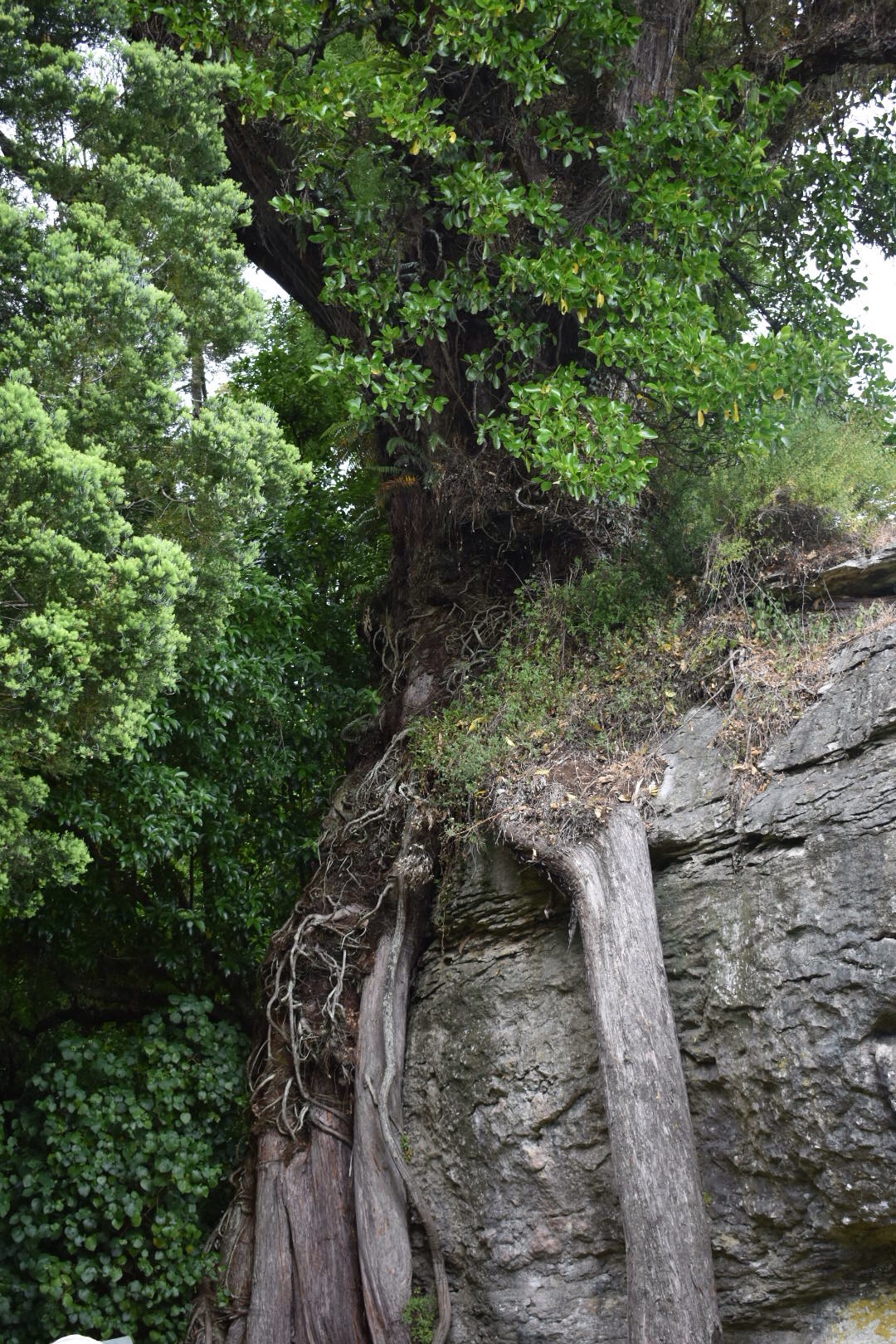
 We arrived early afternoon and went to one of the places in our guidebook, The Grove, or rather, the limestone boulder garden jungle. Yes, it is as unique as it sounds. This was probably the coolest short walk we did on the island. It’s a twenty-minute loop path with rainforest-like vines, ferns, and trees growing on top of limestone boulders. There was a viewpoint overlooking the town of Takaka showing flat grassy fields and the Golden Bay off in the distance. It felt as if aliens literally dropped big limestone chunks from the sky because it was so out of place. As soon as we emerged from the jungle and back to our car, it was like we were nowhere near a tropical sub-ecosystem.



 After the jungle, we drove north to our first campsite in the area, Golden Bay Holiday Park. Our site was literally right off the beach and it was beautiful. We quickly put up the tent then headed further north to Farewell Spit. Farewell Spit is the northern-most tip of the South Island 🌴 and being so obscure, it’s impossible to see the entire spit by yourself as it spans several kilometers. Think ….. mile-long hilly sandbar that could beach whales. If wanting to go all the way out, you’d have to go on a 4-wheel tour. Luckily, at the beginning of the spit, there are hikes available to the public. Driving down a gravel road and through a free range sheep field (we had to wait for a few stragglers to pass), we got to the car park and set off on the Fossil Point track. The track started through a farm – we crossed several foot bridges to get over fences for different pens of sheep and cow. Good news: the animals were grass fed. Bad news: there was poop literally everywhere. It was like playing a live game of minesweepers to avoid all the droppings but we finally crossed and made it to the track on the other side.


 Now, we found ourselves strolling through rolling hills and weirdly shaped trees. The ground below us eventually changed from grass to sand as we were nearing the beach on the other side of the spit.
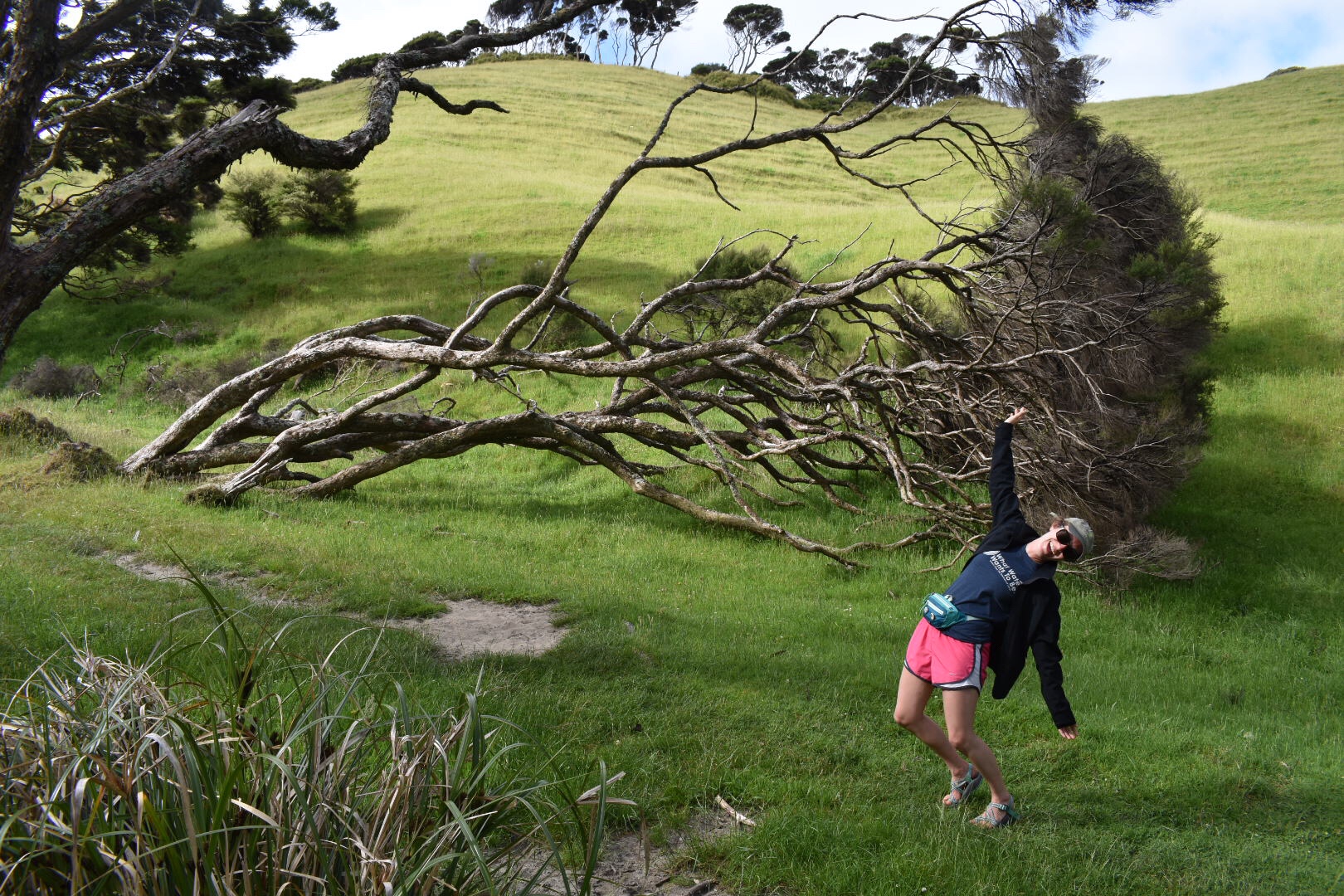
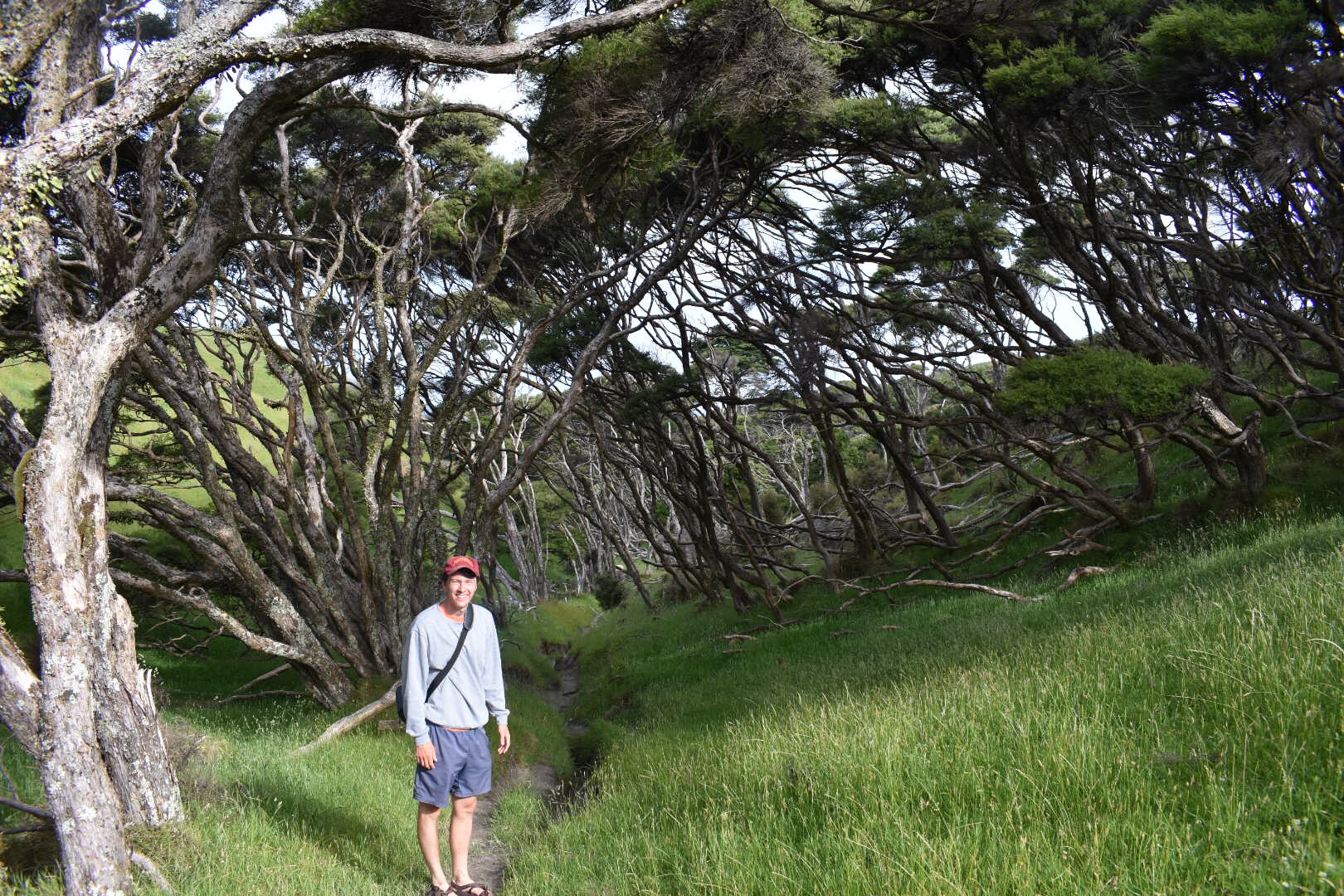

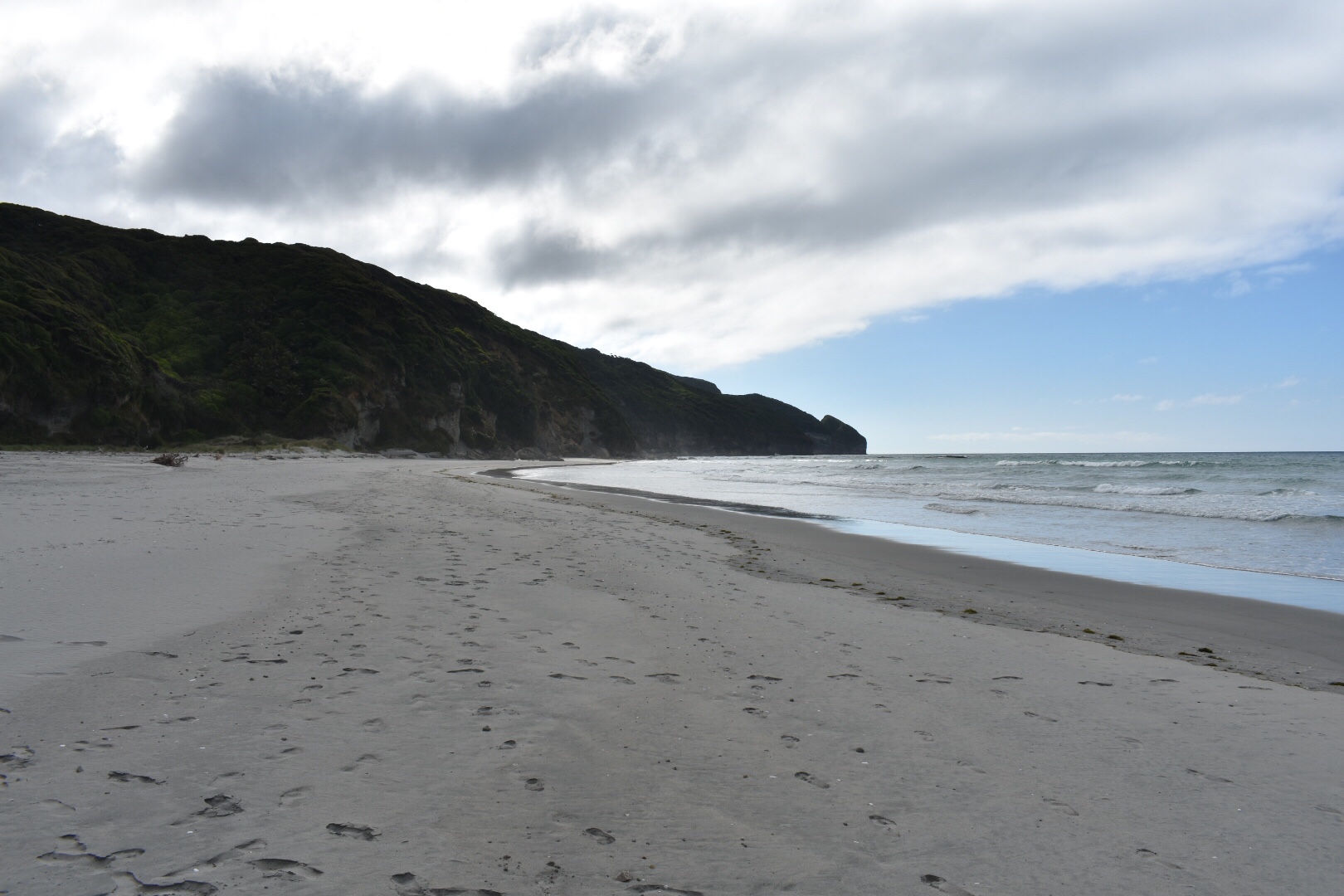 Once on the beach, we could see the spit extending into the distance. We spent some time laying on the beach and soaking up some sun before heading back. After getting back to the car park, we walked to the other side of the spit and saw hundreds of birds 🐦 floating in the water. We couldn’t get quite close enough to see but it looked like a huge flock of black swans. Before leaving, we made sure to spit on the spit, so we can now say we spat on the spit.


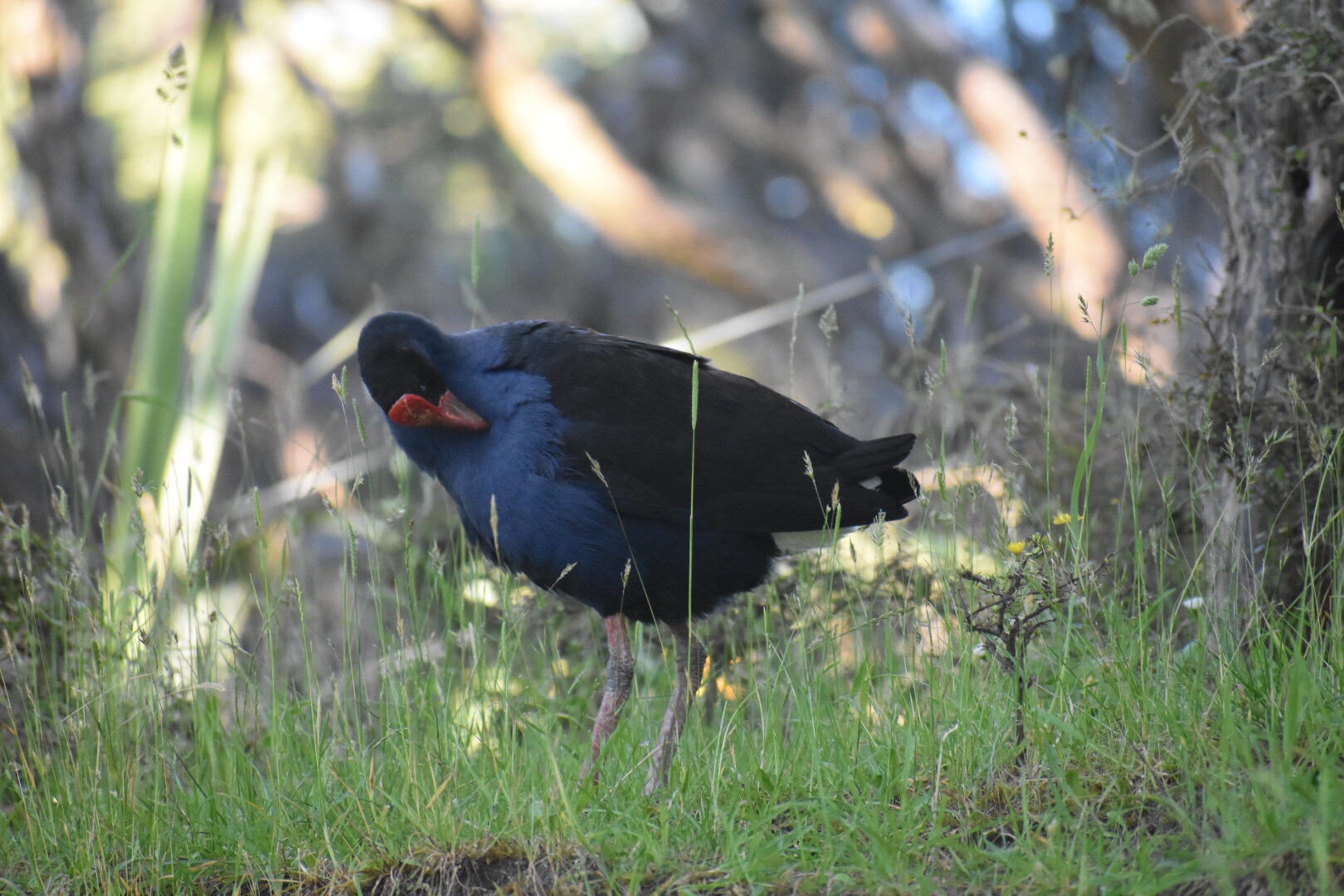
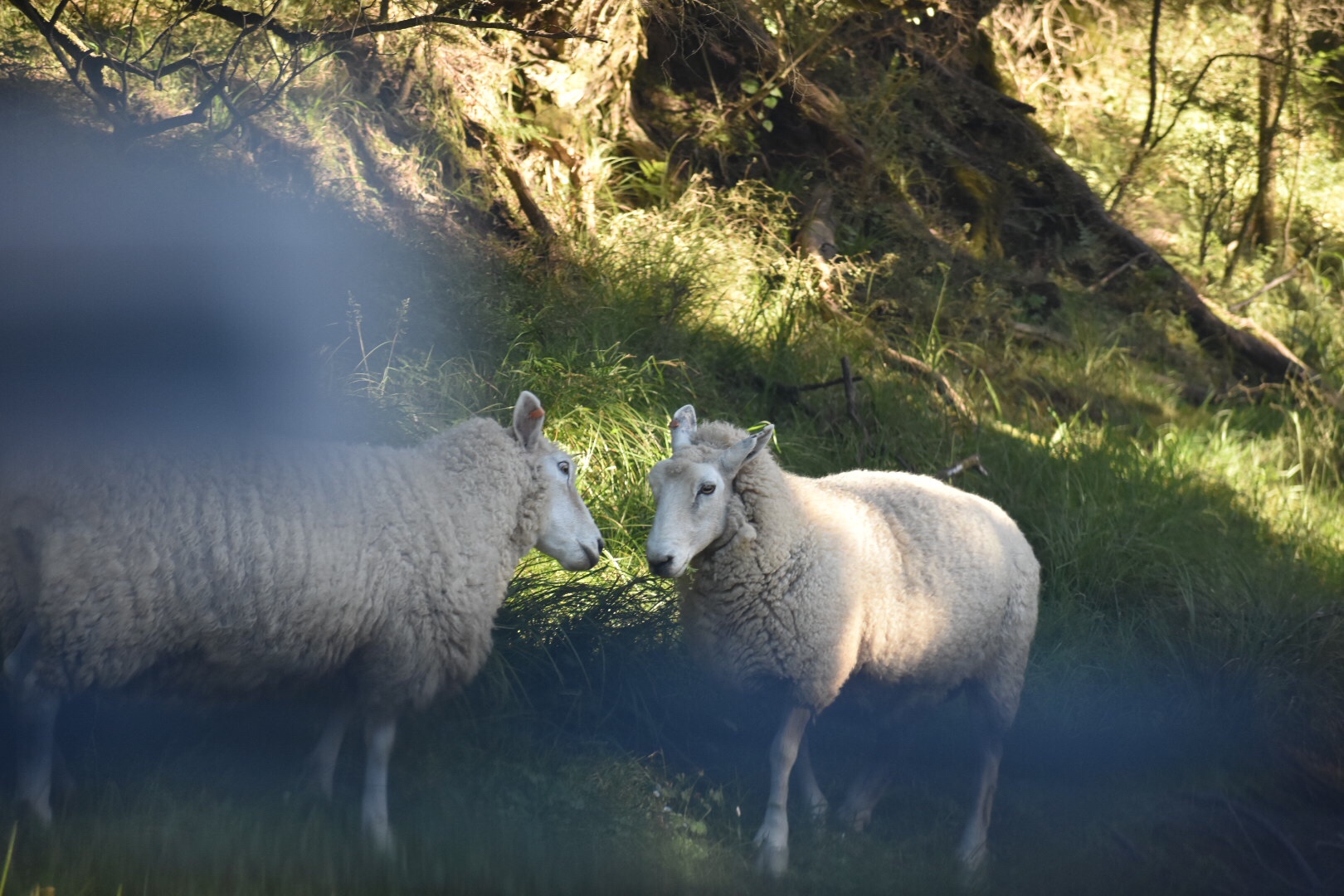 Pictured above: I didn’t move fast enough but these two sheep were head-butting on the side of the road! Day well spent, we made it back to the campsite in time to make dinner in the kitchen, watch some TV for the first time in weeks, and sit on the beach for a bit before going to bed.
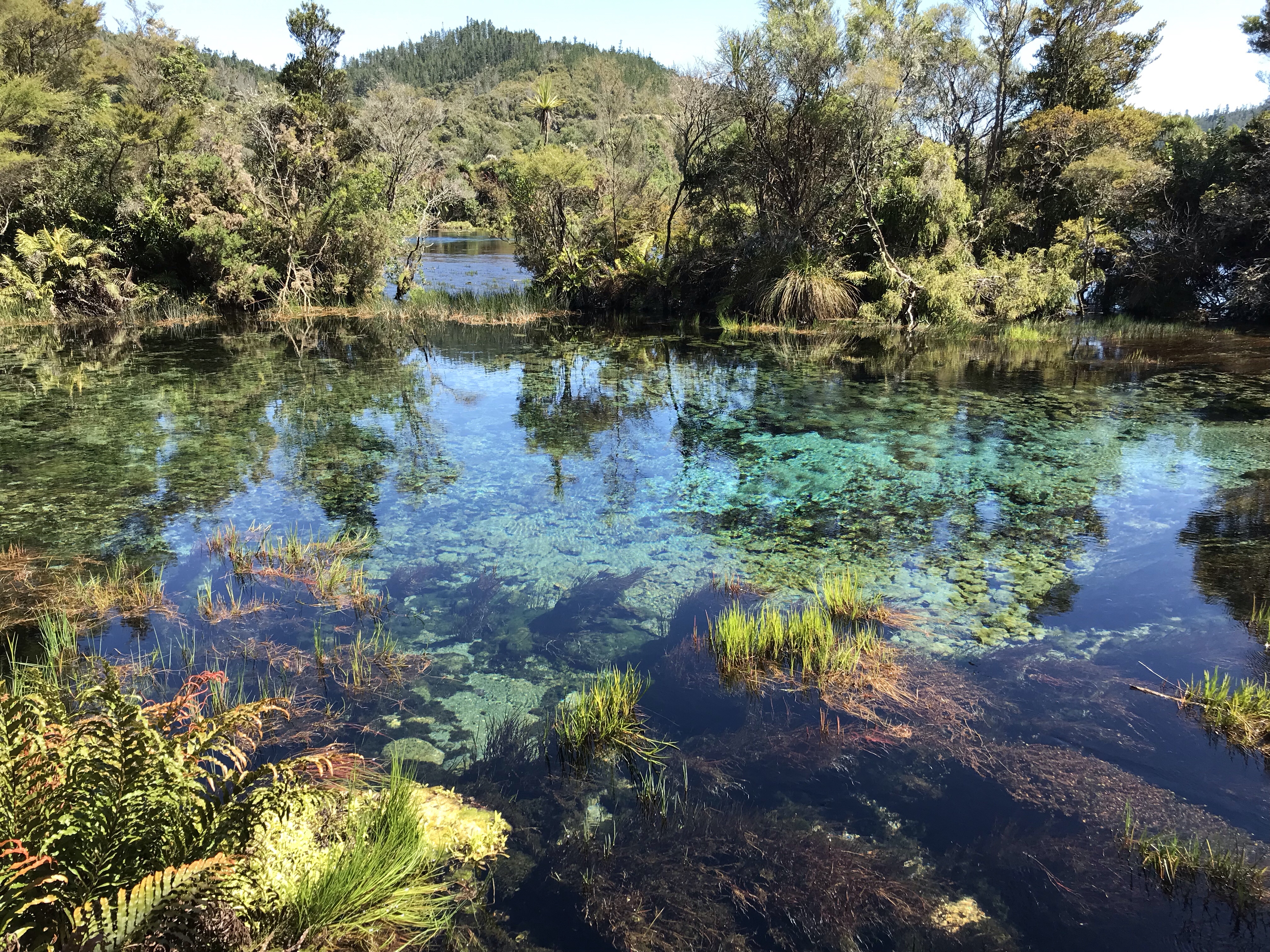
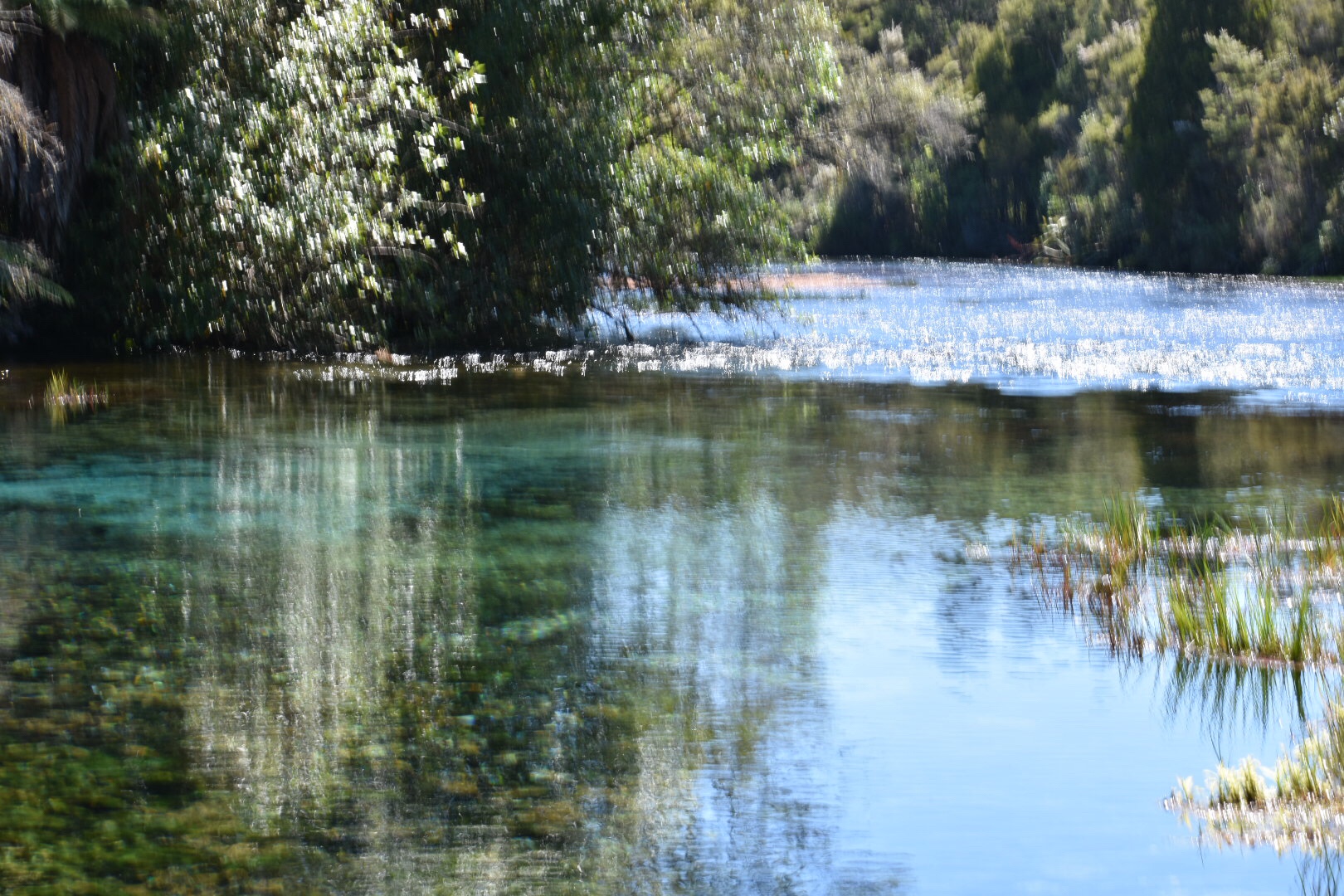
 Day 2 First thing first, we went to the information center in the morning to make sure our plan logistically worked for the day. We wanted to head to the North end of Abel Tasman for today as most travelers tend to stay on the Southern end of AT where all the commercial companies for kayaking/adventure tourism reside. We were hoping to weed out the crowds and find some good hikes and semi-private beaches. However, before driving North, we stopped at Waikoropupu Springs, Australasia’s (maybe Australia and Asia and maybe not) largest freshwater spring as well as some of the world’s clearest water. Up until 2007, divers were allowed to explore the underground playground until NZ permanently closed the pools to human contact. There is a viewing platform where people stand to view and awe in the crystal clear water that’s visible up to 60 meters down.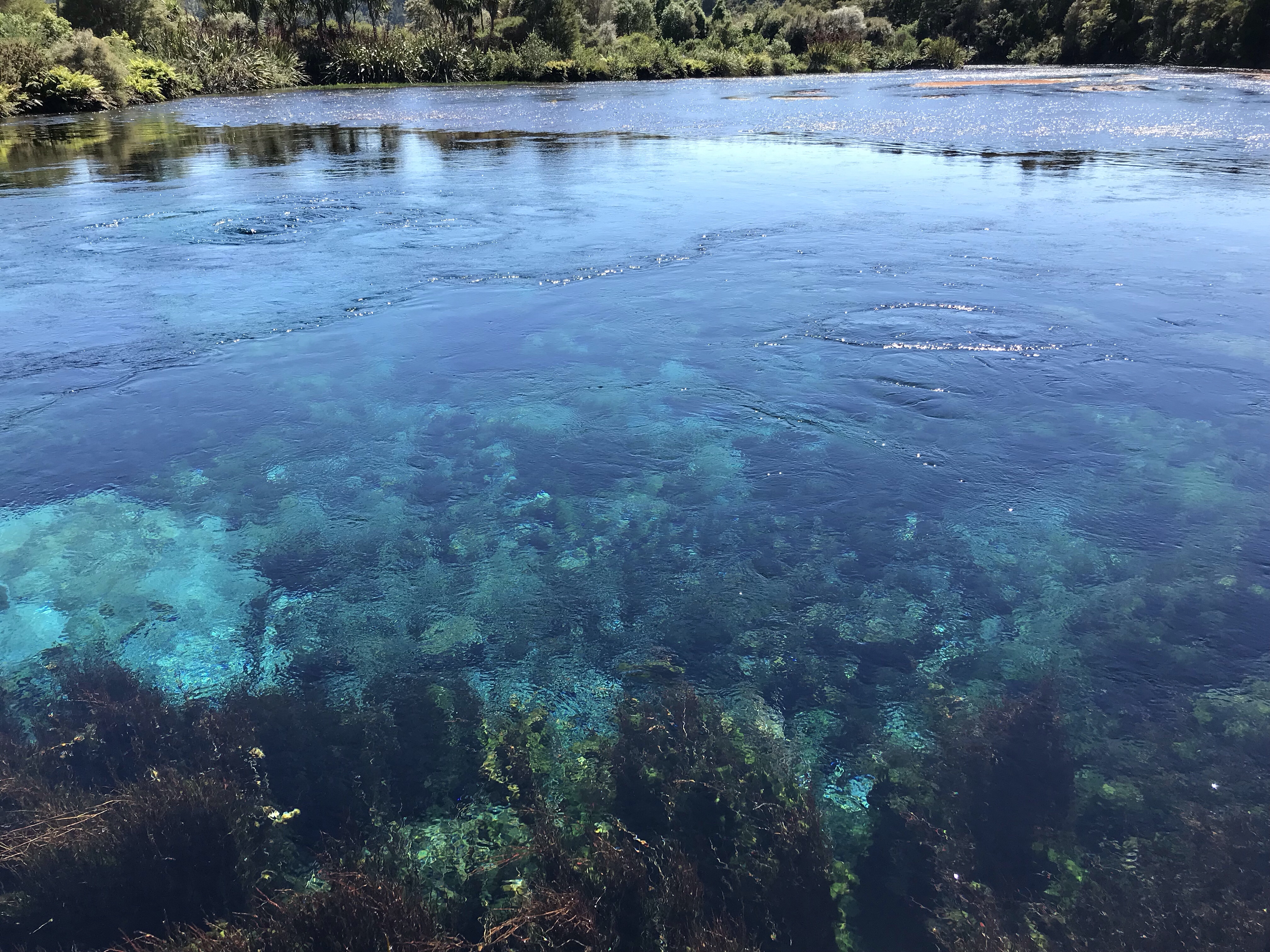


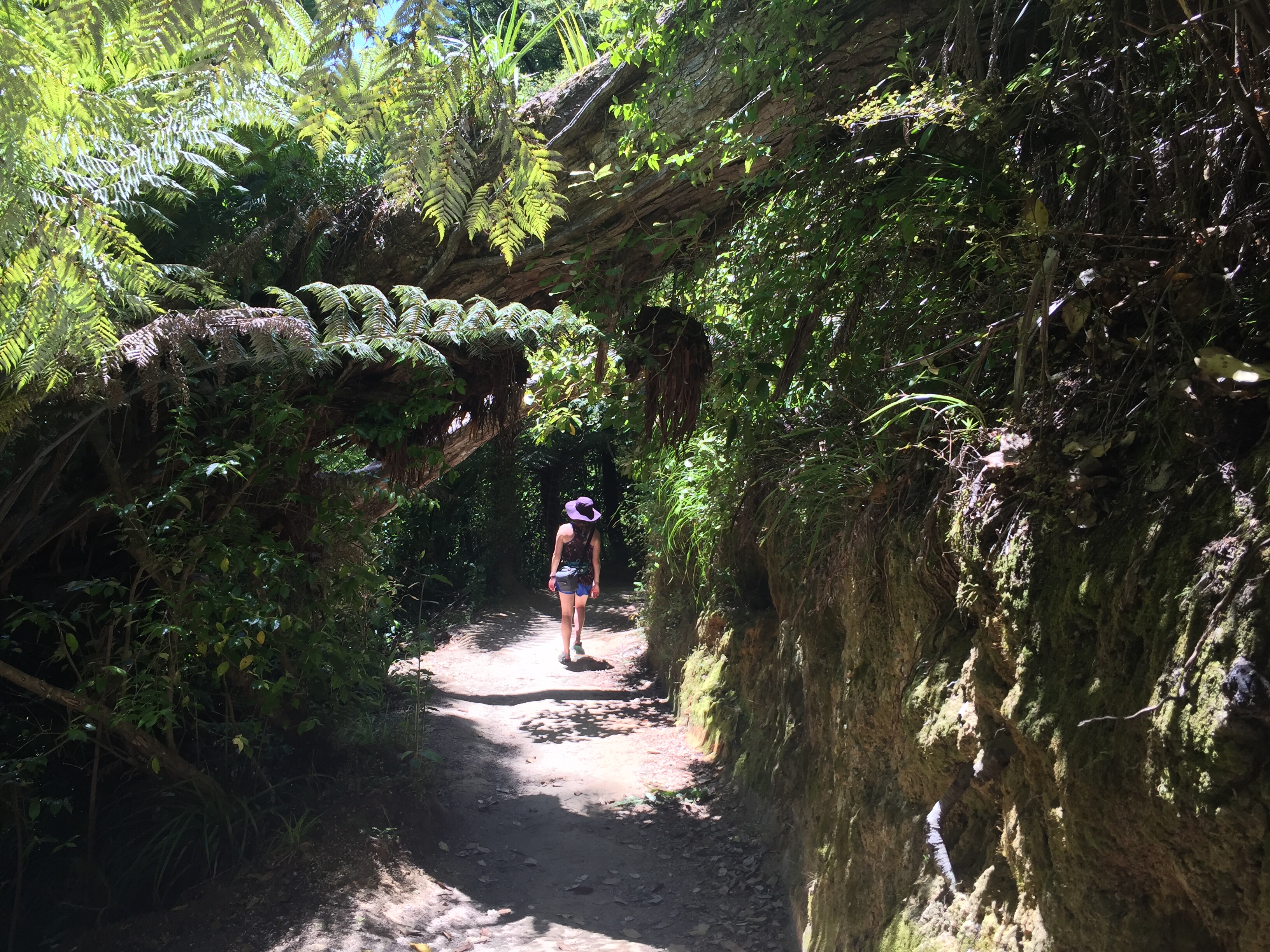
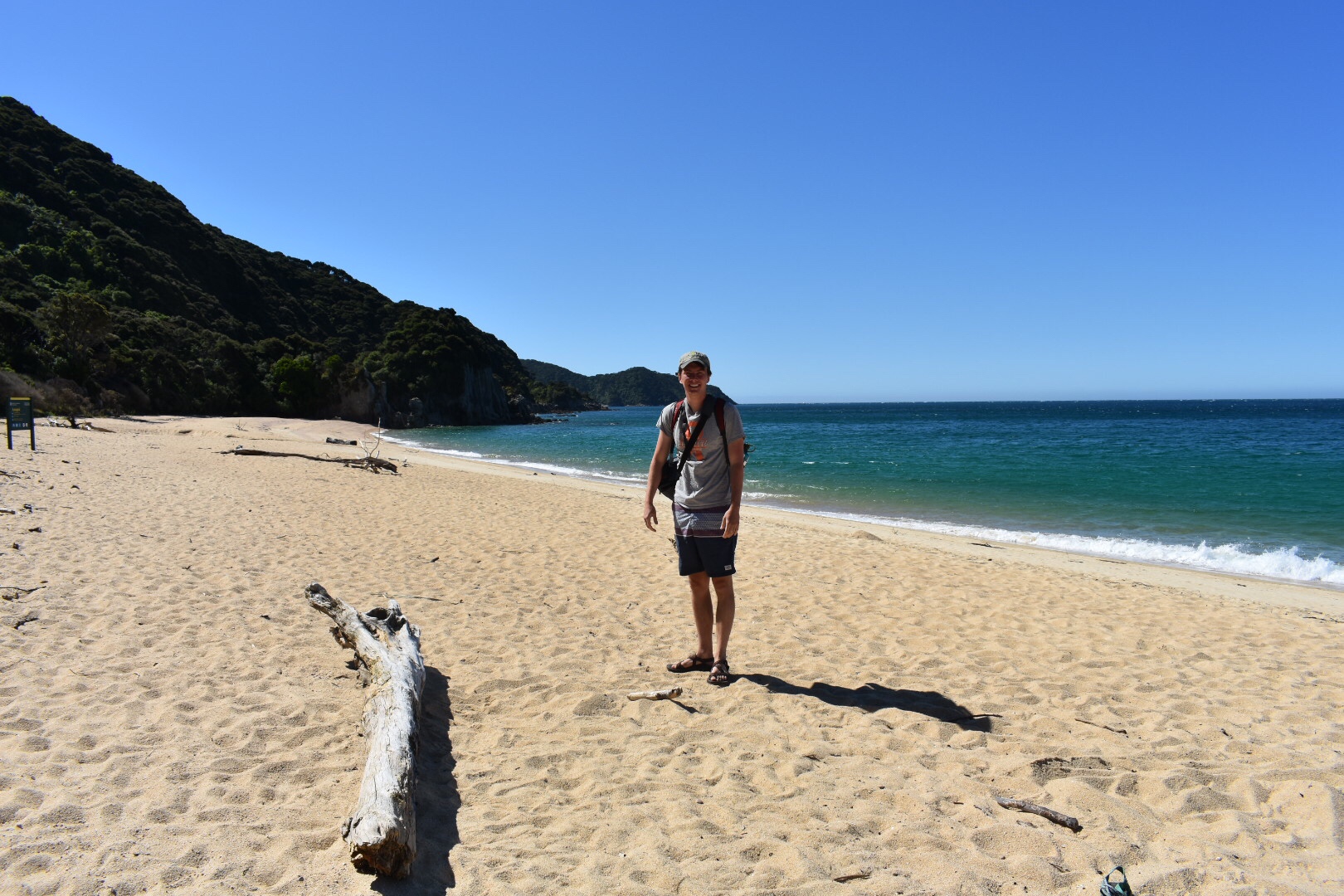
 After snapping a bunch of pics, we drove to Totaranui to start our hike to Anapai Bay. We walked through a lush, dense forest for about thirty minutes before we started to hear the gentle lapping of the waves. The water was so blue! We arrived to the beach around noon to find very few people, and we “beached it” for a few hours. The water was a little too chilly to stay in for an extended period of time but we got in for a bit then laid out on the beach 🏝 and soaked in some rays.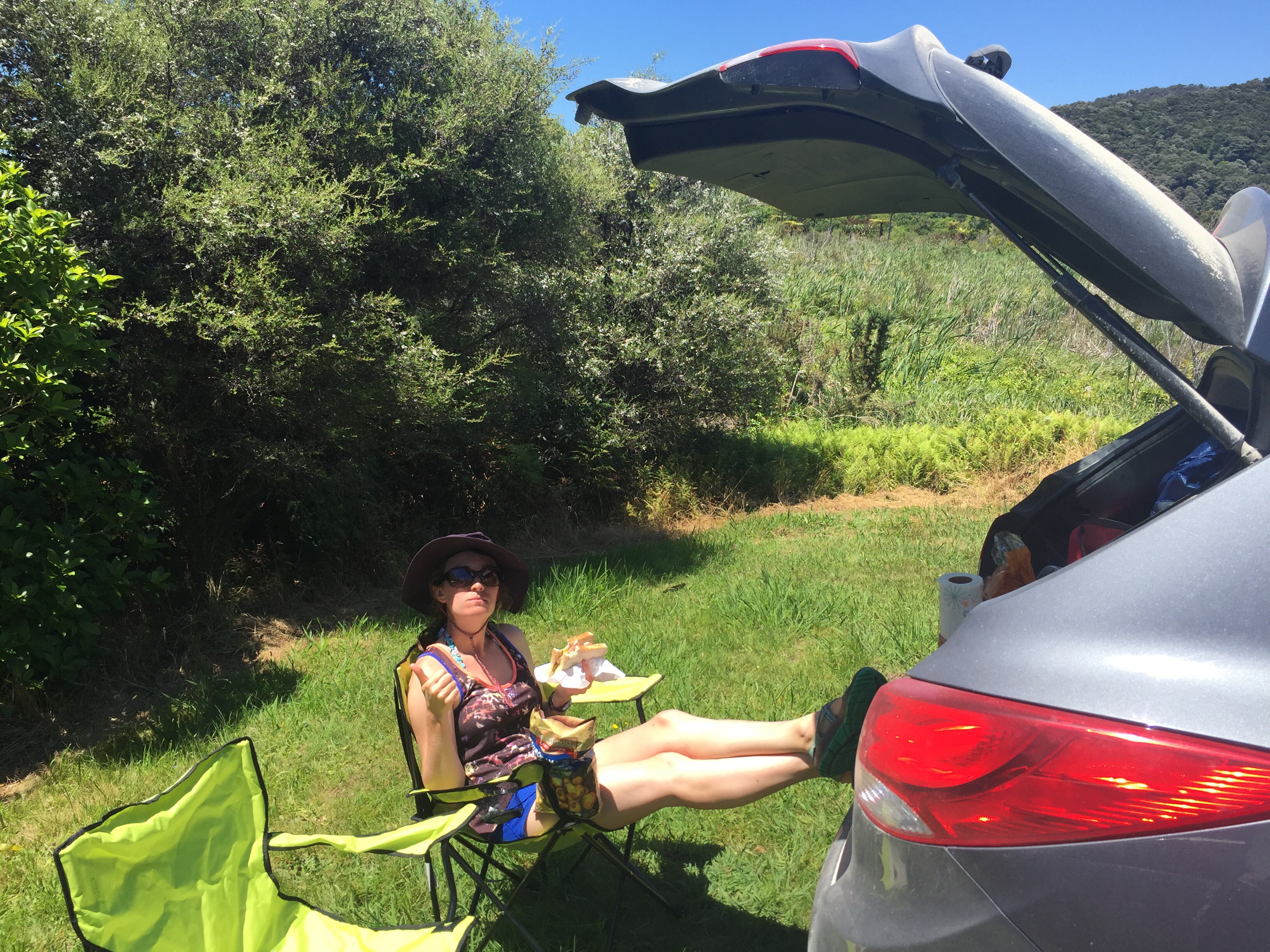

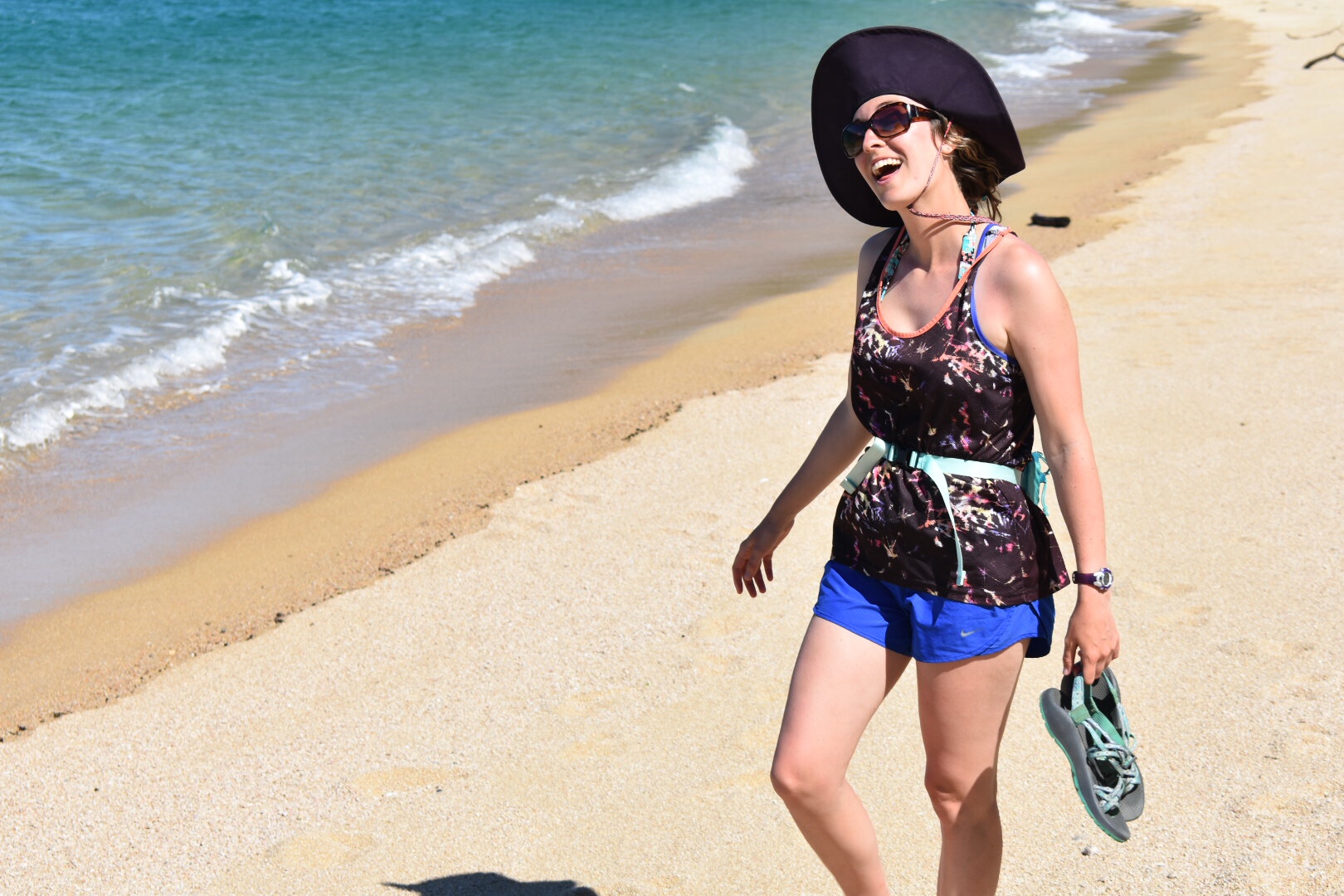
 After a few hours of pure sunshine (the ozone layer is very thin in NZ hence lots and lots of sunscreen), we trekked back to the car and headed south to the more popular part of AT. We had a campsite in Marahau at a holiday park on the water for two nights. We hung out at our campsite, caught up on some stuff through WiFi, made a freeze-dried meal of Mexican chicken and hit the hay.
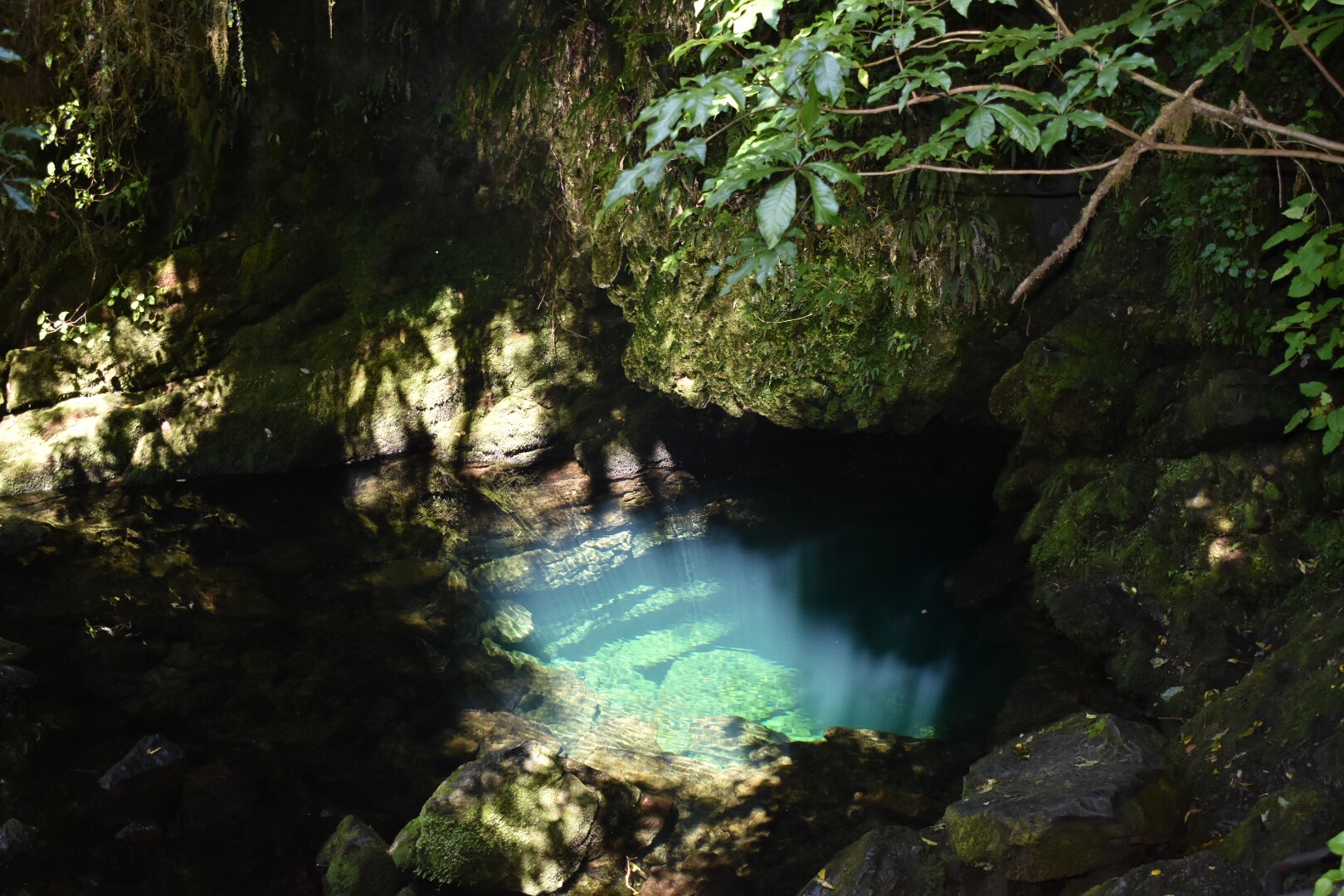
Day 3 Not seeing enough natural springs on day 2, we headed to the Riwaka Resurgence pools in the morning with the thought of taking a dip. The trail was short and led to two back to back springs. The further one was set against limestone boulders and the sun was shining so perfectly that it looked like an other-worldly water hole. There was a sign explaining the significance of the place. Ancient Maori people believe that every river has a life force. Rivers nourish everything and link people to their ancestors. This place was especially sacred because being a spring, here originates the waters of life. Rightly so, it looked magical. Jared spent some time in the water trying to dive into the deep section of the hole but ended up just dunking his head because the water was so frigid. We walked back up to the second spring, laid in the sun and played some cards until we were dry.


 At this point, it was around noon and we started to head to Kaiteriteri. We booked a kayak tour through the Book Me website that started around 1:15. Kaiteriteri is one of the towns in the Southern Abel Tasman that has a bunch of commercialization and therefore more people. We arrived and found a beach way more crowded than our private beach the day before. However, it was still beautiful. We met our guide, who happened to originally be from California, and prepped for our hour and a half tour. We’ve never been in a sea kayak before and they’re a little different than what we’re used to. For one, in addition to a life jacket, we had to wear a sea skirt. It slipped over us with the straps resting on our shoulders and we secured it around our seat once we were in the kayak. Starting out, the water was a little choppy but nothing the kayak couldn’t handle. We hugged the coast, where the guide pointed out a bunch of black specks that all happened to be mussels. The locals come and pick the mussels right off the rocks – free food! After forty-five minutes of kayaking, we arrived at Split Apple Rock, a boulder that had split in half.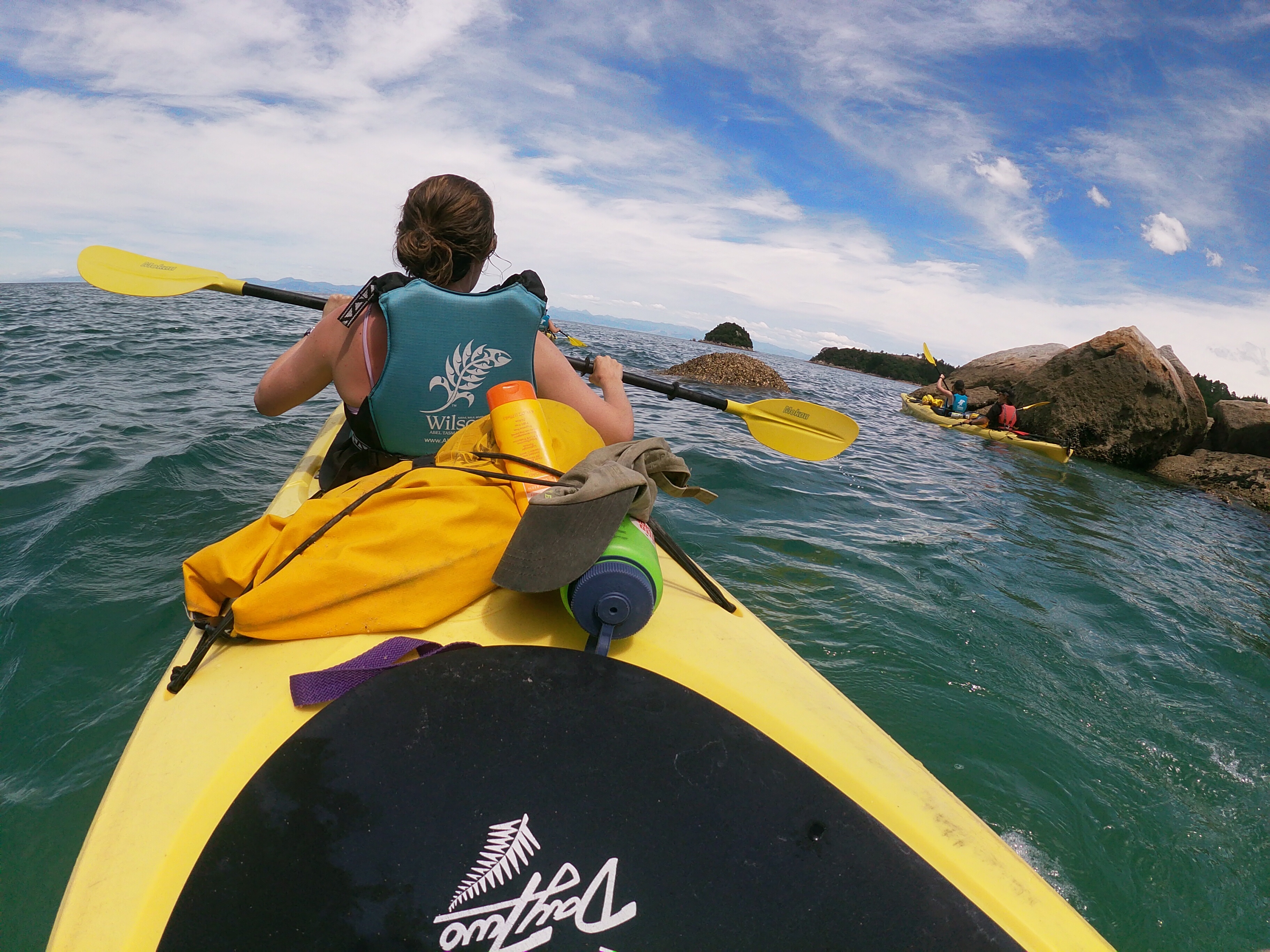

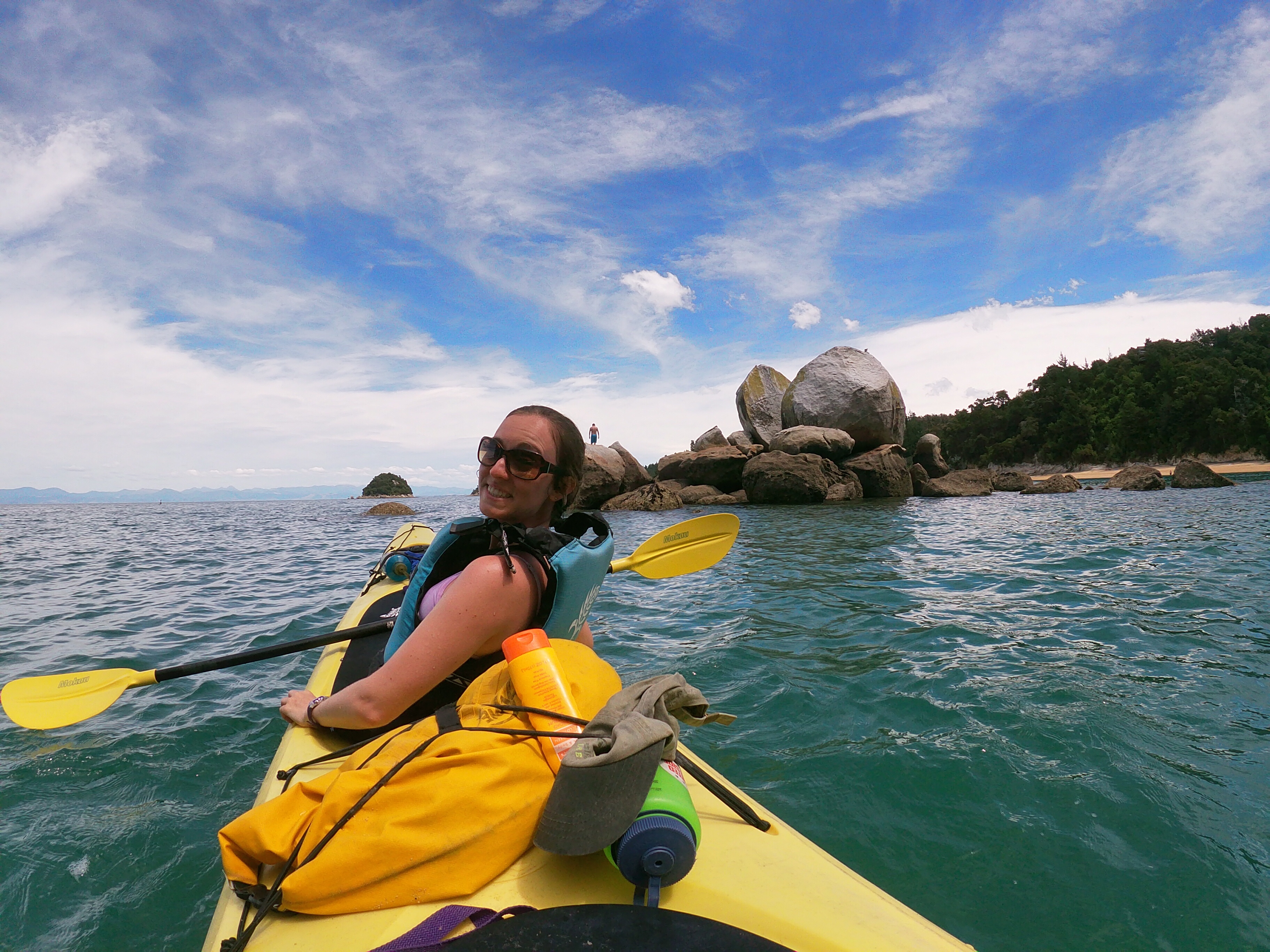
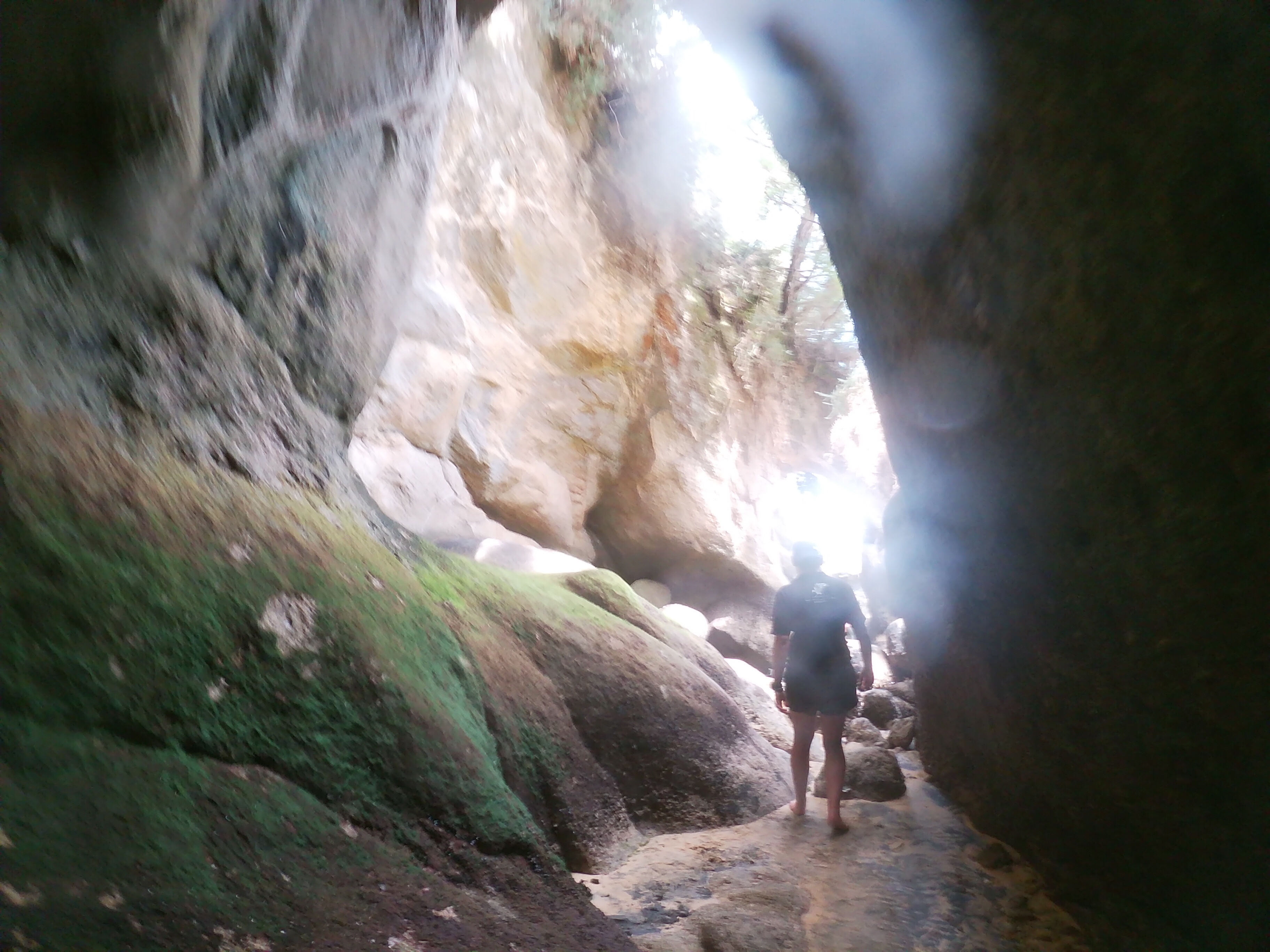
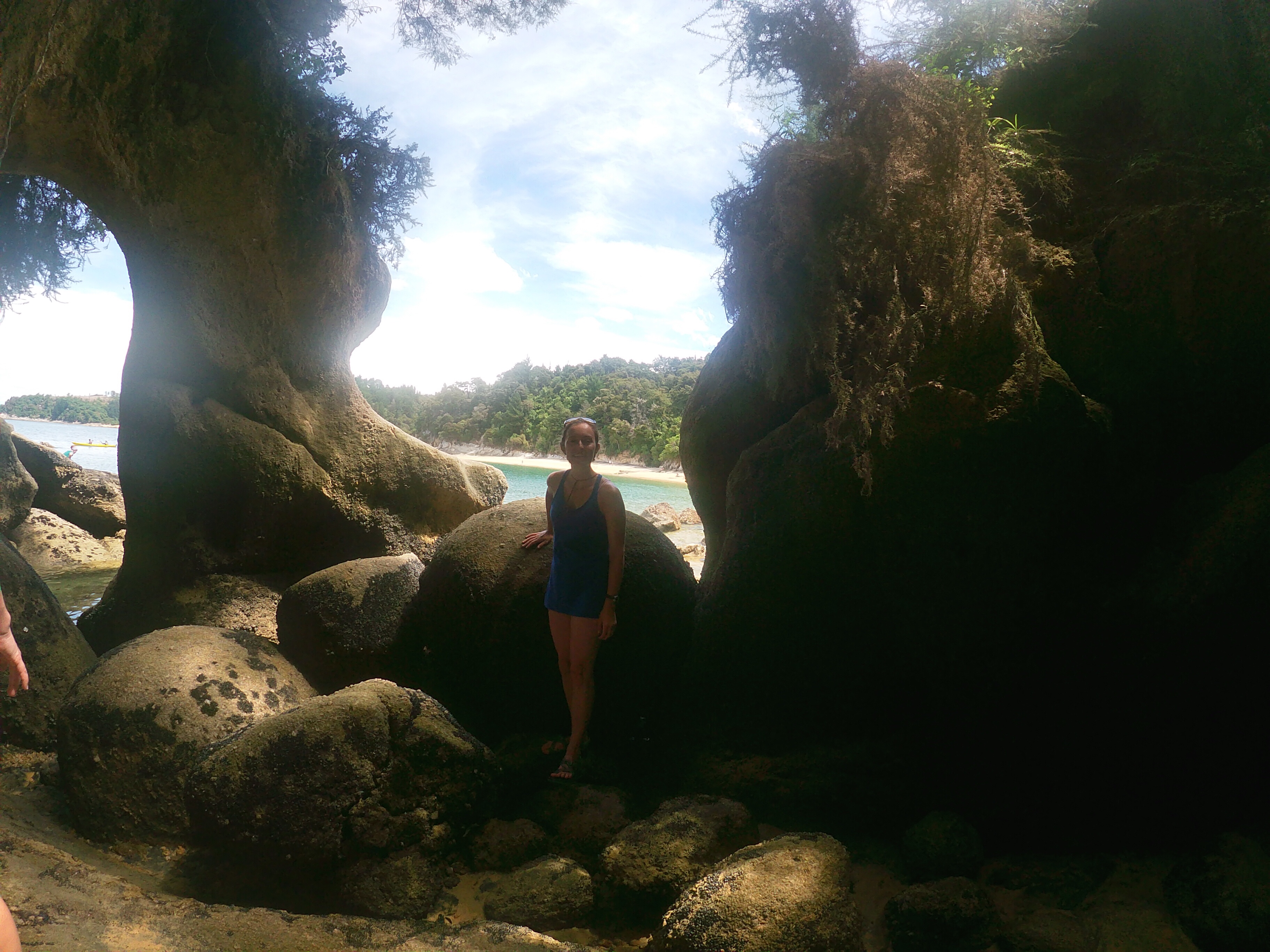
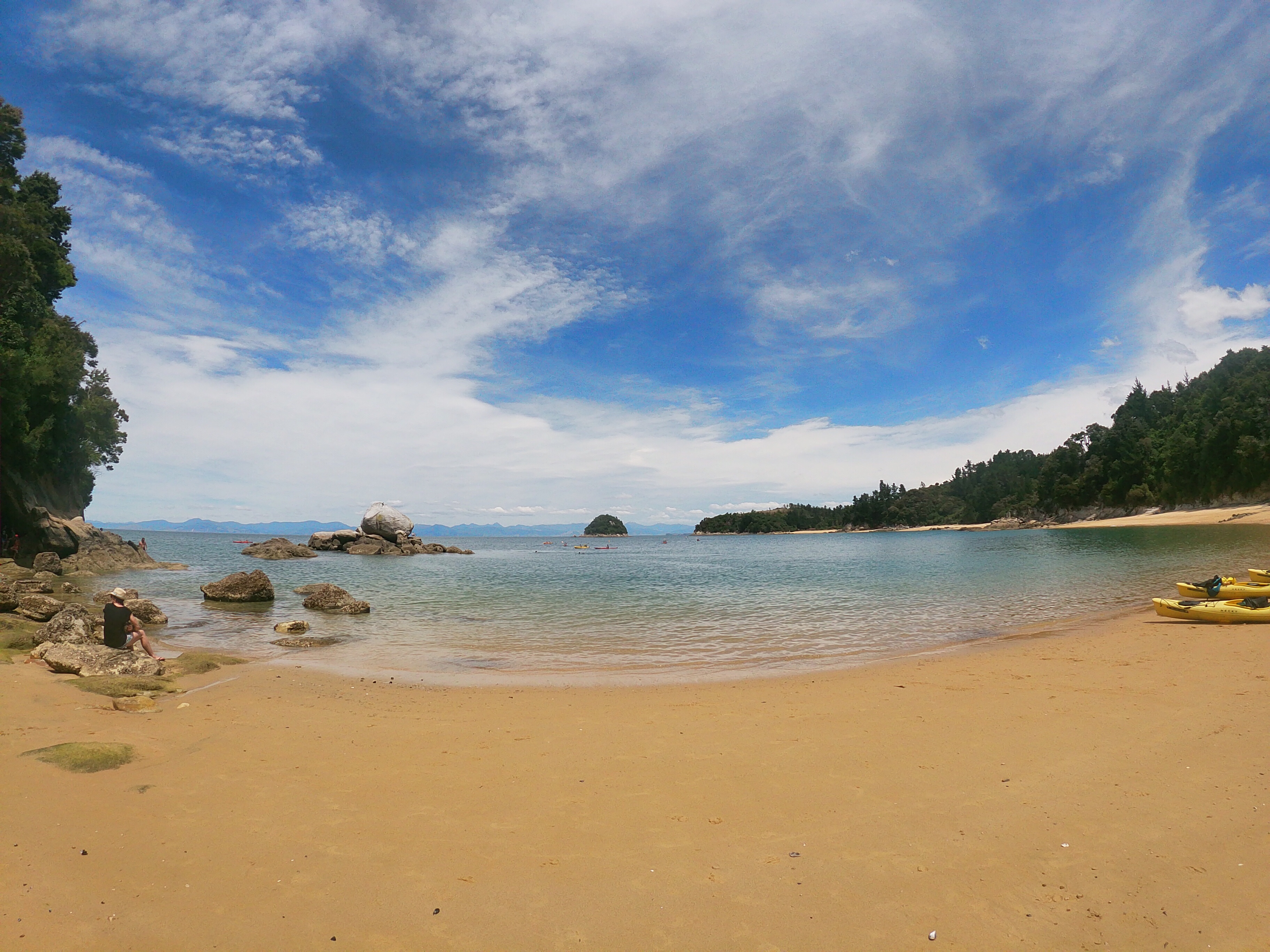 We landed ashore and had about twenty minutes to explore. The guide took us through a sea cave, which she explained the cultural significance. The Maori people believed that the part of the cave past where the sunlight shines is spiritual in the sense that peoples’ spirits who passed away would journey through the caves before continuing onward. We walked around the crooks and crannies for a bit before making our way back to the beach. The water was a little chilly but we figured we had to jump in for a bit. We splashed around in the water for five or so minutes, looking at the split boulder, before joining the group and getting back on the sea. We hugged the coast again on the way back and looked at a bunch of other beaches and beautiful private homes on the way back.
Our tour guide was super nice. She explained something we already knew but in New Zealand 🇳🇿, it’s not customary to tip. That rule applies to hospitality, restaurants and tour guides. The minimum wage is high enough that people can live off of wages alone. Granted, people can tip but it’s not usual; conversely, it’s not rude if you don’t tip. It’s been pretty nice going out to eat because the prices we see are what we ultimately pay; we don’t have to worry about the extra tip at the end. After we landed ashore, we thanked our guide for the trip and went to sit on the beach to dry out a bit more.
Once dry, we got in the car and headed to town for some treats. We got to a place with a bunch of hand-picked fruit and got another mixed berry soft serve 🍦. It hit the spot on a hot day!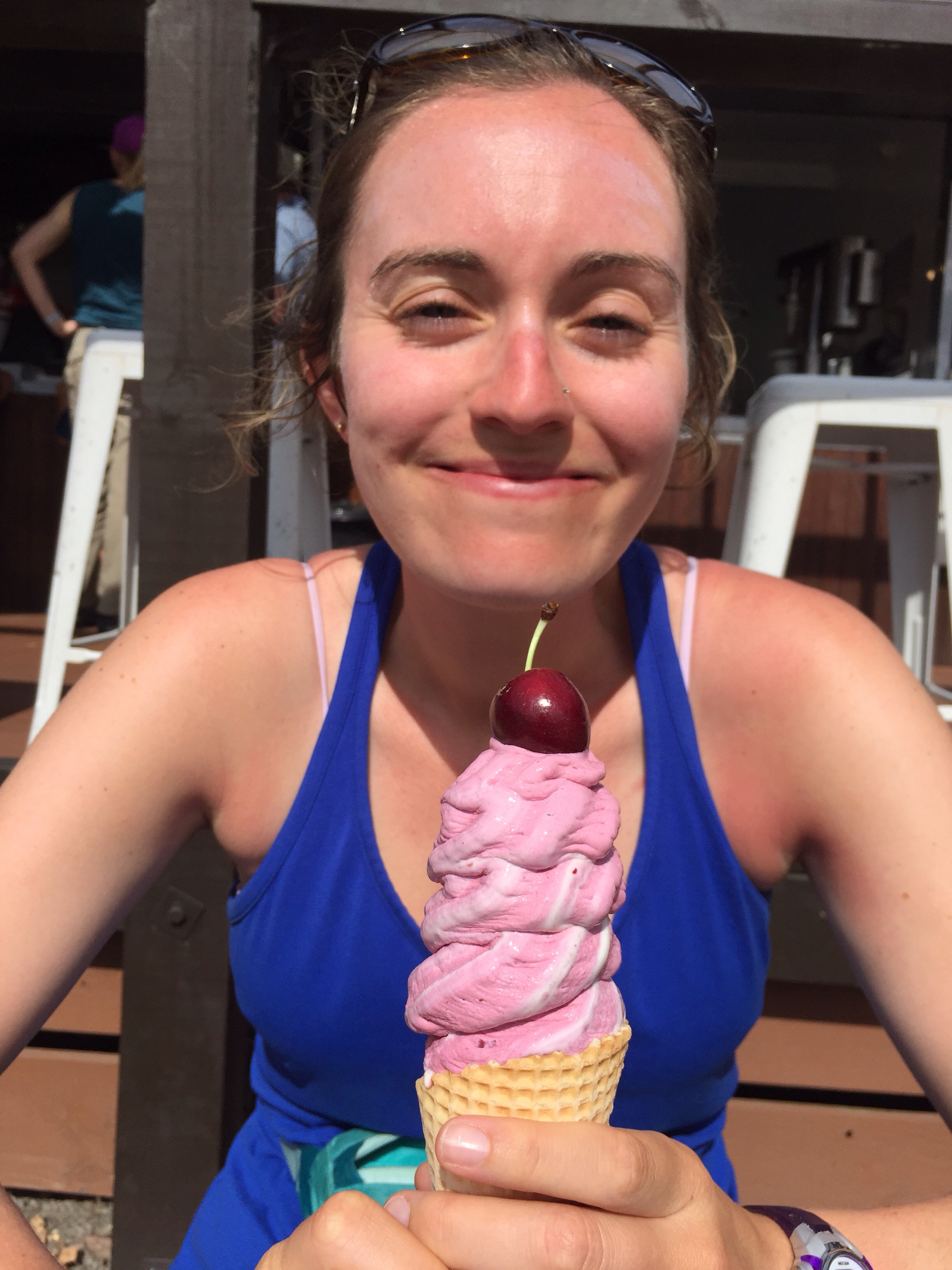 Once satisfied, we left to go back to Marahau to our campsite. We cracked open a bottle of mojito cider we’d gotten from a cidery in Nelson and made a freeze-dried meal of chicken tikka masala. We then spent some time cleaning out the car since we were returning it the next day. (Long story short, we’re saving money by having two separate rentals). We cleaned the car, prepped the tent, and set an alarm for 7am to head down to Christchurch to return our car.
Next time you hear from us, we’ll be in a new car and in Kaikoura. Our last days in the Southern Island are coming to an end but we’re excited about the North Island part of the trip!
 Tiff & Jared's adventures
Leave a comment